






Climate change is reshaping the lives of animals in ways that often go unseen. For frogs, toads and salamanders, one of those hidden changes may be happening in the way they eat.A new international study on tadpoles of the Iberian spined toad (Bufo spinosus) suggests that as their freshwater habitats warm, young amphibians don’t just grow faster, they also quietly adjust what they eat. It’s a surprising survival strategy, but the research shows it only works up to a point.
When the water warms, theie diet changes
Amphibians are cold‑blooded, like fish and reptiles, which means their body temperature and metabolism are tightly linked to the environment. As temperatures rise, every process in their bodies speeds up: growth, development, energy use, and hunger.To see how tadpoles respond, researchers from the University of Lisbon, Queen Mary University of London, NOVA University and Uppsala University collected Iberian spined toad tadpoles from Portugal’s Sintra Mountains and raised them under different temperature and feeding conditions, as per a report by EurekAlert. Then they watched how the animals developed, and what they chose to eat.The tadpoles didn’t just passively endure the warming water. They changed their feeding behaviour:– At cooler temperatures, they ate a higher proportion of animal‑based food, which is richer in protein and energy.– At warmer temperatures, they increased their overall feeding rate and shifted toward more plant material, grazing more intensely to keep up with their rising energy demands.Lead author Dr. Sara Bento explains that this is the first experimental evidence, in a vertebrate, of tadpoles actively adjusting diet to cope with warming. In other words, amphibians are trying to “eat their way” around climate stress. But the study also shows there are limits to what food can fix.
Faster growth, but weaker bodies
One of the clearest results was how dramatically temperature changed development speed.Tadpoles raised at 20°C (68°F) completed their larval stage in around 30 days.Tadpoles kept at 12°C (54°F) took about 177 days to reach the same stage.
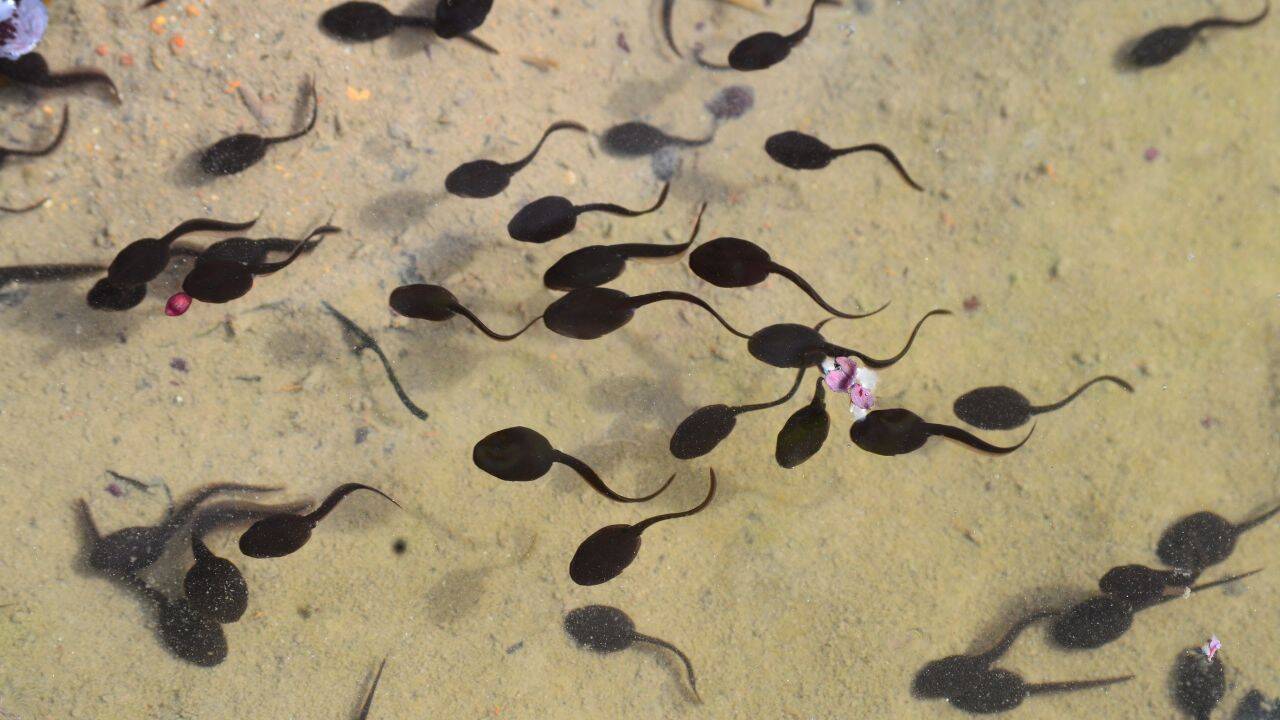
Tadpoles (Representative image)
Warmer water is like pressing fast‑forward on their life cycle. That might sound like an advantage: less time as a vulnerable tadpole, quicker path to becoming a frog or toad. But it comes with a cost.The animals that grew up in warmer conditions:– Emerged smaller.– Were in poorer physical condition than those raised in cooler water.Smaller, weaker juveniles are likely to have lower survival chances, reproduce less successfully, and struggle more in harsh environments. So although increased feeding and diet shifts help tadpoles cope with the initial stress of heat, they can’t fully compensate. The body still pays a price.The team also found that warming changes the elemental composition of amphibian tissues, which includes the balance of key elements like carbon, nitrogen and phosphorus. That suggests climate change doesn’t just affect how fast animals grow; it alters how they process and store nutrients at a fundamental level.
A ripple effect through whole food webs
Dr. Pavel Kratina, an aquatic ecologist and co‑author of the study, points out that these changes matter far beyond the tadpoles themselves.If warmer temperatures alter what cold‑blooded animals eat, change their body composition, and shift their size and condition, then the entire food web starts to look different.For example:– Predators that eat amphibians may get less energy per prey, or have to hunt more often to meet their needs.– The shift from animal prey to more plant material by tadpoles can change grazing pressure on algae or plants, affecting water clarity and nutrient cycling.
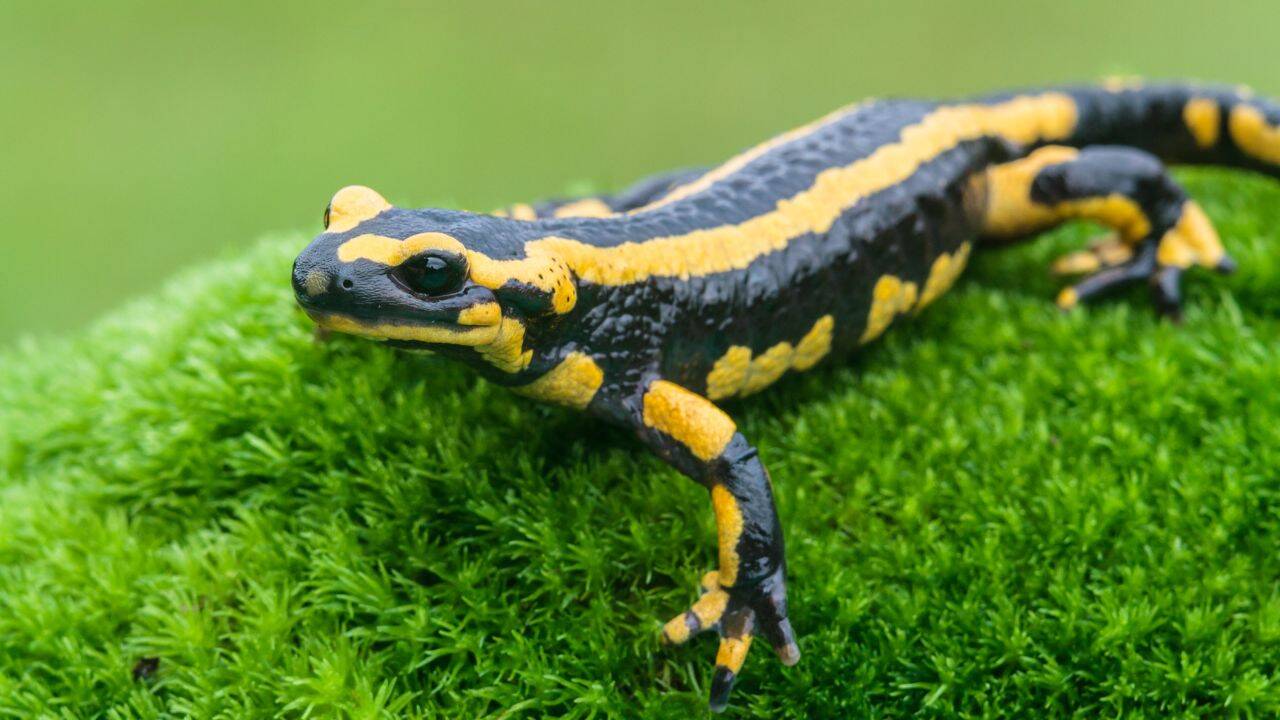
Salamander (Representative image)
Other cold‑blooded species, like fish, insects, crustaceans, may show similar diet and growth changes, amplifying the effects across ponds, streams and wetlands.In this way, a seemingly small adjustment (tadpoles eating more plants as it gets warm) can help explain how global warming gradually reshapes the structure and function of entire aquatic ecosystems.
A survival strategy with hard limits
One of the most important conclusions from the study is that diet compensation has physiological limits.At moderate warming, tadpoles can:– Eat more.– Shift to different food types.– Partially offset higher energy demands.But as temperatures rise further:– These strategies become progressively less effective.– Development speeds up too much.– Bodies stay small and less robust, no matter how much they eat.This is the first experimental evidence in a vertebrate that climate‑driven dietary flexibility can only go so far. Beyond certain thermal thresholds, the basic biology of the animal—how its cells function, how quickly it burns energy—outpaces what behaviour can fix.That has direct implications for how we think about resilience. Amphibians aren’t passive victims; they’re actively trying to adapt. Yet there’s a ceiling on how much adaptation feeding strategies alone can provide.
What this means for conservation
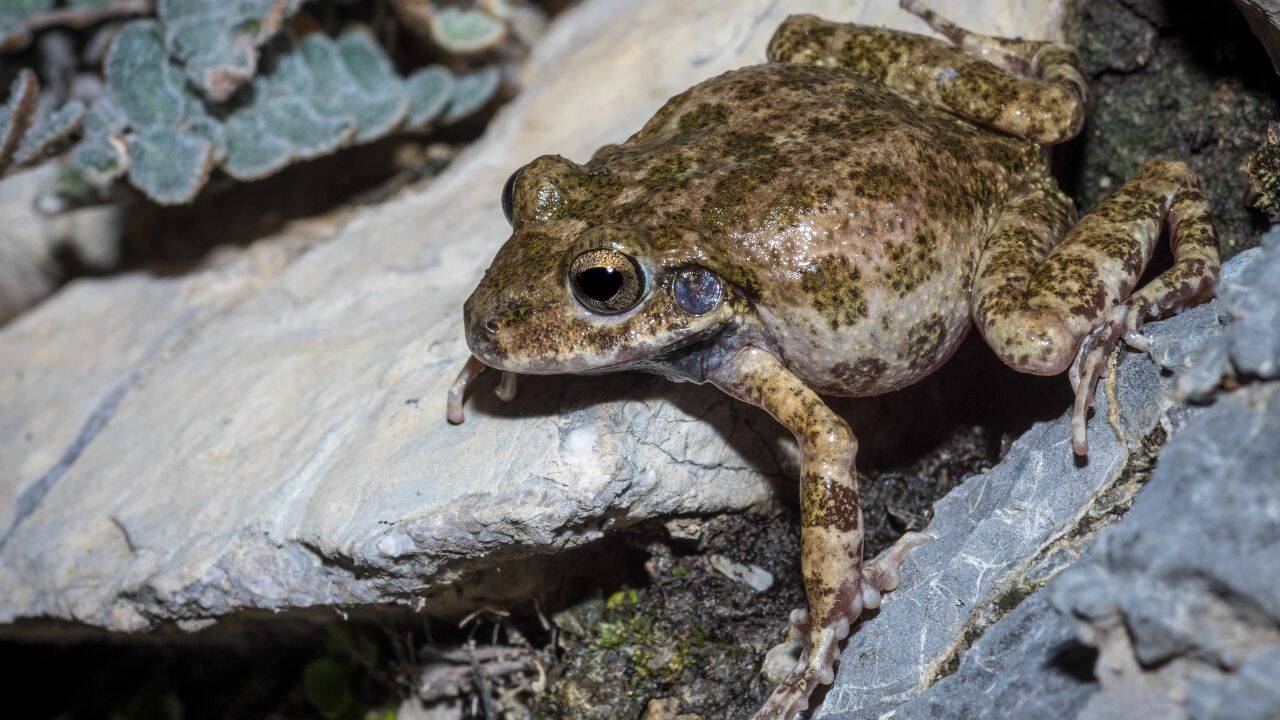
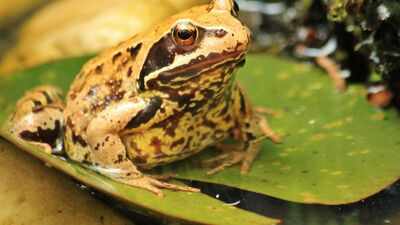
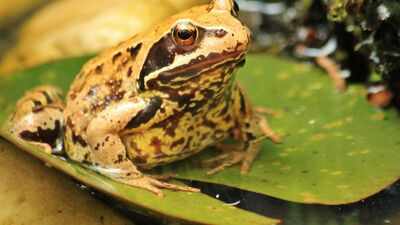
Frog (Representative image)
The researchers emphasise that these findings are especially relevant for Mediterranean regions, where temperatures are projected to rise significantly in coming decades and droughts are becoming more frequent.To give amphibians and other aquatic species a fighting chance, conservation efforts can:– Protect cooler microhabitats within wetlands and streams—shaded areas, deeper pools, spring‑fed channels—that act as thermal refuges.– Maintain or restore habitat complexity, so animals have options to move between cooler and warmer spots.– Limit additional stressors like pollution and habitat fragmentation, which compound the effects of climate warming.Supporting such refuges doesn’t just help amphibians. It benefits the entire community of organisms sharing those waters, from insects to fish to birds that rely on healthy aquatic systems.Under climate change, survival won’t hinge on a single magic adaptation. It will depend on a mix of biological strategies (like diet shifts) and human choices (like protecting cooler, intact habitats).Reading about these tadpoles’ hidden survival strategy, what strikes you more: Is it their ability to adjust what they eat as temperatures rise, or the sobering fact that even such flexibility eventually reaches its limit?