









Shark populations around the world are in rapid decline, facing mounting threats from human activities. With a third of shark species threatened with extinction, new research suggests that shark ecotourism could help turn the tide by encouraging people to take lasting action to protect them.New research from the University of Sydney found that people who participate in shark ecotourism are more likely to take action to protect sharks, including making donations, signing petitions and speaking up online, than those who do not. This is the first study to demonstrate that shark ecotourism can inspire a lasting commitment to conservation, with participants more likely to take action.Alongside increasingly positive media coverage and online attitudes towards sharks, the findings suggest that this tourism offers more than economic benefits. It could help protect declining shark populations. The findings are published in the journal Ocean Sustainability.
How shark tourism can lead to conservation
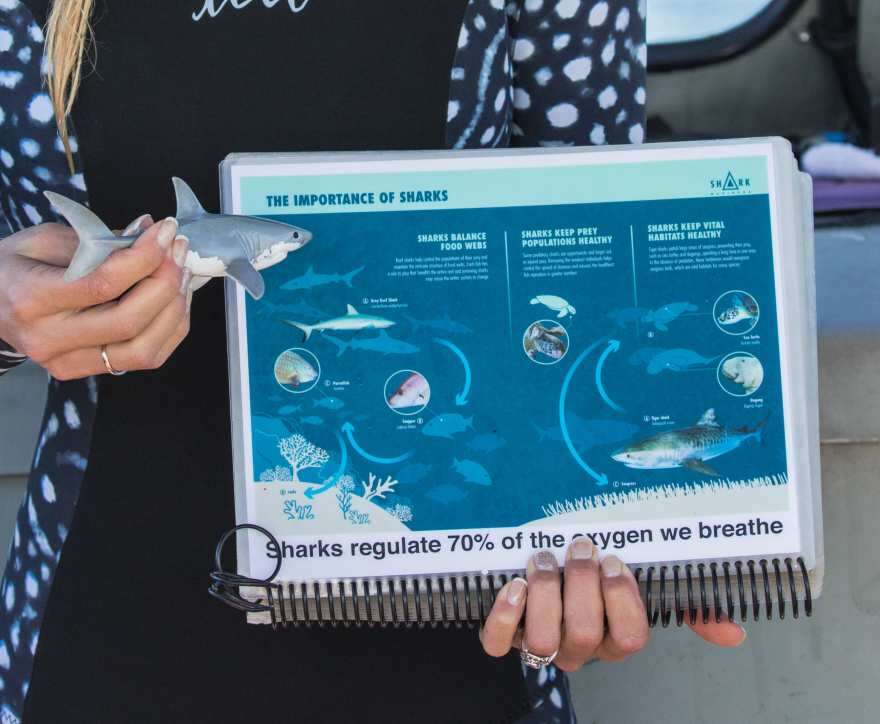
Pic credit: Juan Oliphant
Over the past 50 years, shark populations have declined by 71%. A third of shark species are now threatened with extinction. At the same time, shark ecotourism is growing, with more than 500,000 people estimated to take part in activities involving sharks and rays each year. At least 20 countries, including the Bahamas, Australia, Hawaii, South Africa and Pacific nations such as Fiji, Palau and French Polynesia, offer such activities.The research, led by PhD candidate Carmen Dobszewicz of the University of Sydney’s Faculty of Science, examined how ecotourism benefits sharks. Dobszewicz is based in the Social Dynamics and Environmental Change Lab within the School of Life and Environmental Sciences.Her team worked with two groups in Hawaii. The first comprised tourists on a shark ecotourism tour off Oʻahu. They snorkelled or free-dived with sharks while a marine biologist surveyed the animals and explained why they matter. The second group comprised members of the public surveyed on Waikīkī Beach. Both groups answered questions about shark conservation on the day of the tour and again two years later.
How shark tours change attitudes

Participants were asked whether they had engaged in shark conservation activities after the ecotour. The study revealed that, two years after their tour, participants were about 40% more likely to engage in shark conservation behaviour than would have been expected had they not taken part.In both groups, conservation activities increased over the two years. The rise was considerably larger among the tour group. Among these participants, the biggest increases were in posting on social media, signing petitions, making donations and advocating for legislation.The researchers noted that responsibly conducted shark encounters can lead to long-term conservation efforts.“Our findings suggest responsible tour operators can be a much-needed boon to efforts to halt the rapid decline in shark populations and help shift widely held misconceptions about sharks,” Dobszewicz said.“Supplementing the underwater experience with educational information on the role sharks play in the ecosystem, the threats they face, and what can be done to mitigate these threats leaves tourists with a better understanding of the precarious state of shark populations and what we can do to try to rebuild them.”The research builds on the Social Dynamics and Environmental Change Lab’s ongoing work on the relationships between people and nature that underpin a sustainable future.“Conservation ultimately depends on people. When we build or strengthen meaningful connections between people and the natural world, we create the conditions for lasting change, and that is essential for a sustainable future,” senior author Associate Professor Michele Barnes said.