






When conservation teams confirmed in 2018 that invasive house mice had been removed from Antipodes Island, it marked the end of one of New Zealand’s most ambitious island restoration efforts. The remote subantarctic island had carried mice for more than a century, and their appetite for insects, seeds, plants and occasionally bird eggs had quietly reshaped the ecosystem. Eight years on, scientists have reported that ground beetle numbers are now about 40 times higher than before the mice were removed, while rove beetles have increased more than twentyfold. The findings, published in Conservation Science and Practice, offer a rare long-term measure of what happens when a relentless predator disappears from a small island ecosystem. They also show that ecological recovery is not always immediate, tidy or predictable, but it can be remarkably powerful when the pressure is finally lifted. Read more details about it here:
A remote island under pressure
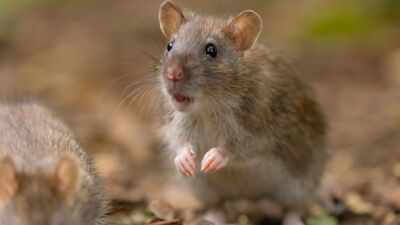
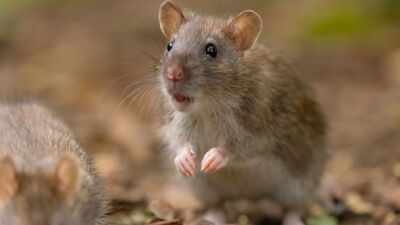
Antipodes Island lies in New Zealand’s subantarctic region, a wild and windswept place valued for its seabird colonies, endemic land birds and distinctive invertebrate life. The main island is home to species found nowhere else, including the Antipodes Island snipe, Antipodes parakeet and Reischek’s parakeet. For decades, however, house mice were part of the island’s ecological reality. They arrived through human activity and became established despite the island’s isolation and harsh climate.Their impact was not subtle. Research before the eradication found that mice preyed heavily on surface-dwelling invertebrates, including beetles, spiders and other ground-active animals. Scientists also noted that mice competed with native birds for food and altered plant and seed dynamics. In short, the mice were not merely another animal on the island. They were an introduced predator whose presence influenced much of the food web beneath the more visible birdlife.The Department of Conservation Te Papa Atawhai describes the removal operation as the Million Dollar Mouse campaign. In the winter of 2016, a 13-strong team used helicopters to spread cereal bait containing the rodent toxin brodifacoum across the main island in two applications. Monitoring followed in February 2018, when teams deployed 200 inked tracking tunnels and searched for three weeks with rodent detection dogs. No mice were detected, confirming that the eradication had succeeded.
What the new research found
Representative image
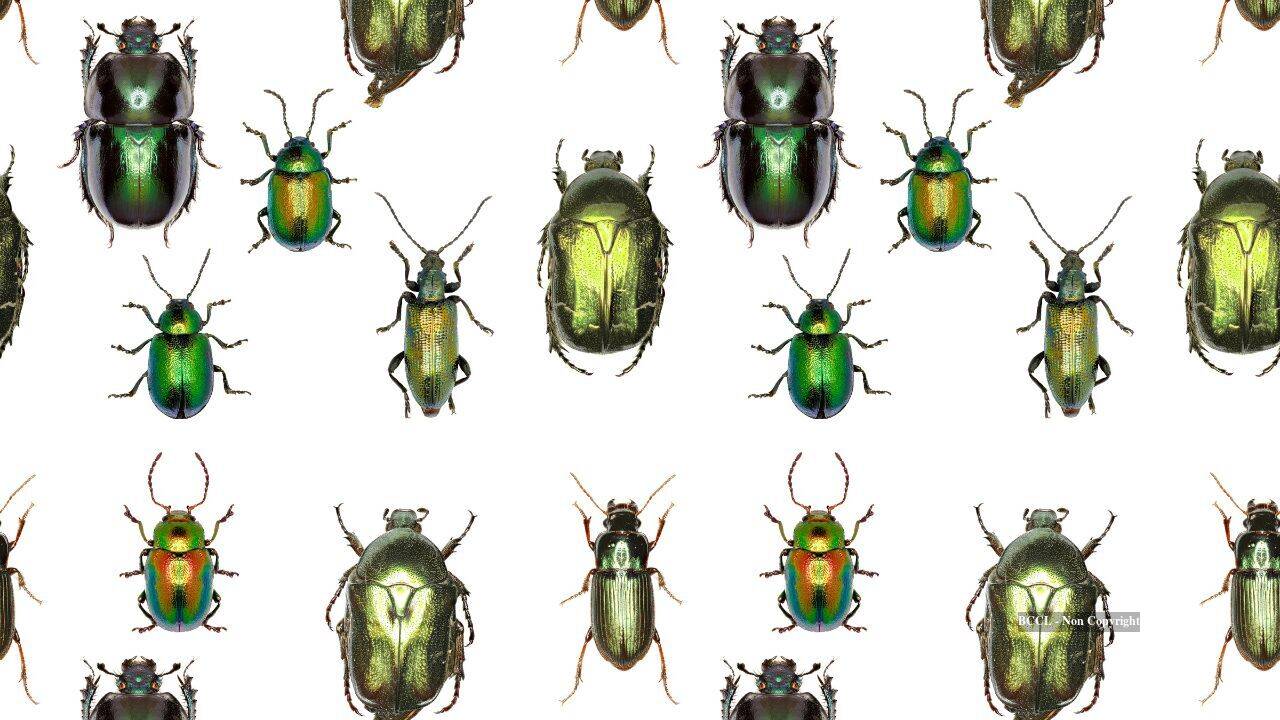
The latest study examined how the island’s invertebrate communities responded in the years after mouse removal. Its headline result is striking: ground beetle abundance was reported to be roughly 40 times higher than before eradication, while rove beetle numbers had risen by more than 20 times. These are not small statistical shifts. They represent a major recovery among animals that sit close to the base of the island’s terrestrial food web.Beetles matter because they are more than a food source for birds. Ground beetles and rove beetles help process organic material, move through soil and litter layers, and form part of the predator and prey networks that keep island ecosystems functioning. When mice were present, these insects faced constant predation pressure. Once that pressure was removed, populations could rebuild across multiple breeding cycles. The new findings suggest that the recovery was not a brief rebound but a sustained ecological change.The result also fits earlier monitoring. A related study reported that invertebrate groups preyed upon by mice increased between two and 35 times after eradication, with pitfall trapping proving especially useful for ground-active animals such as beetles and spiders. The newer figures for ground and rove beetles show that some groups have continued to climb well beyond the early recovery phase.
Why beetles make good messengers
Large animals often dominate conservation headlines, but invertebrates can provide some of the clearest evidence that an ecosystem is healing. They generally have short life cycles, so their populations can respond quickly when conditions improve. On Antipodes Island, this makes beetles valuable indicators of change. If mice were still suppressing insect life, the beetles would be unlikely to show such dramatic increases.Their recovery also has consequences further up the food chain. Native birds such as snipe and pipits depend on invertebrates, and earlier post-eradication surveys found that both species more than doubled after mice were removed. More insects and other invertebrates can mean more food for birds, particularly during breeding season when energy demands are high. In this way, the beetle boom is not simply a victory for beetles. It is evidence that the island’s ecological machinery is beginning to work with fewer human-caused interruptions.There is an important lesson here about patience. Conservation projects often celebrate the day a pest is declared eradicated, and understandably so. But the real measure of success may arrive years later, when native species have had time to reproduce, disperse and reclaim ecological roles. Antipodes Island shows why long-term monitoring matters. Without repeated surveys, scientists might have underestimated how deeply mouse predation had affected the island and how substantial the response could become.
Recovery is not restoration
The beetle finds are encouraging, but that doesn’t mean Antipodes Island has just gone back to some pristine, original state. Ecosystems change with time, and recovery from an invasion can lead to new patterns rather than a perfect copy of the past. Some species may bounce back faster than others. Some may expand into areas they once avoided. Others may remain limited by habitat, climate or the availability of other resources.That complexity is part of what makes the study valuable. Rather than treating the island as a simple before-and-after experiment, the research helps scientists understand which parts of the ecosystem respond most strongly to predator removal. Beetles were clearly among the major beneficiaries. Their dramatic increase suggests that mice had been holding back populations for a long time, possibly preventing some species from reaching the abundance their habitat could otherwise support.It is also a reminder that eradications can have consequences beyond the target species. The Antipodes operation used a toxin that required careful planning because of possible risks to non-target wildlife. Conservation managers had to balance the damage caused by mice against the potential exposure of native birds and other animals to bait. The eventual success of the project reflects both the technical difficulty of the operation and the importance of rigorous monitoring afterwards.
A signal for island conservation worldwide
Antipodes Island is remote, but its story has relevance far beyond the Southern Ocean. Islands are especially vulnerable to invasive mammals because native species often evolve without defences against predators such as rodents. When mice, rats or cats arrive, they can rapidly alter food webs, prey on nesting birds and reduce invertebrate populations. Removing those invaders can therefore create unusually clear opportunities for recovery.The Antipodes results add to a growing body of evidence that pest eradication can deliver measurable ecological gains. Earlier monitoring already documented rebounds in native birds, including snipe and pipits, after mice disappeared. The beetle data now reveal recovery at a less visible but equally important level of the ecosystem. Together, these findings show that conservation action can benefit entire food webs, not only the species people most easily notice.Eight years after the mice were declared gone, the Antipodes Island has a quiet but powerful message. Sometimes the best evidence of ecological repair is not the return of the single charismatic animal but the return of the small creatures that lived in the shadows. In this case, the beetles have made themselves impossible to ignore.