







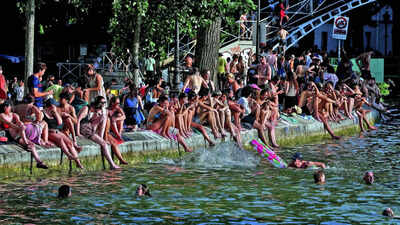
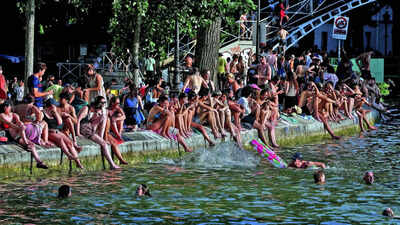
A blistering early‑summer heatwave sweeping Europe has been linked to more than 1,300 excess deaths since June 21, the World Health Organization (WHO) said, as nations from France to Poland smashed temperature records and public services strained under extraordinary demand.
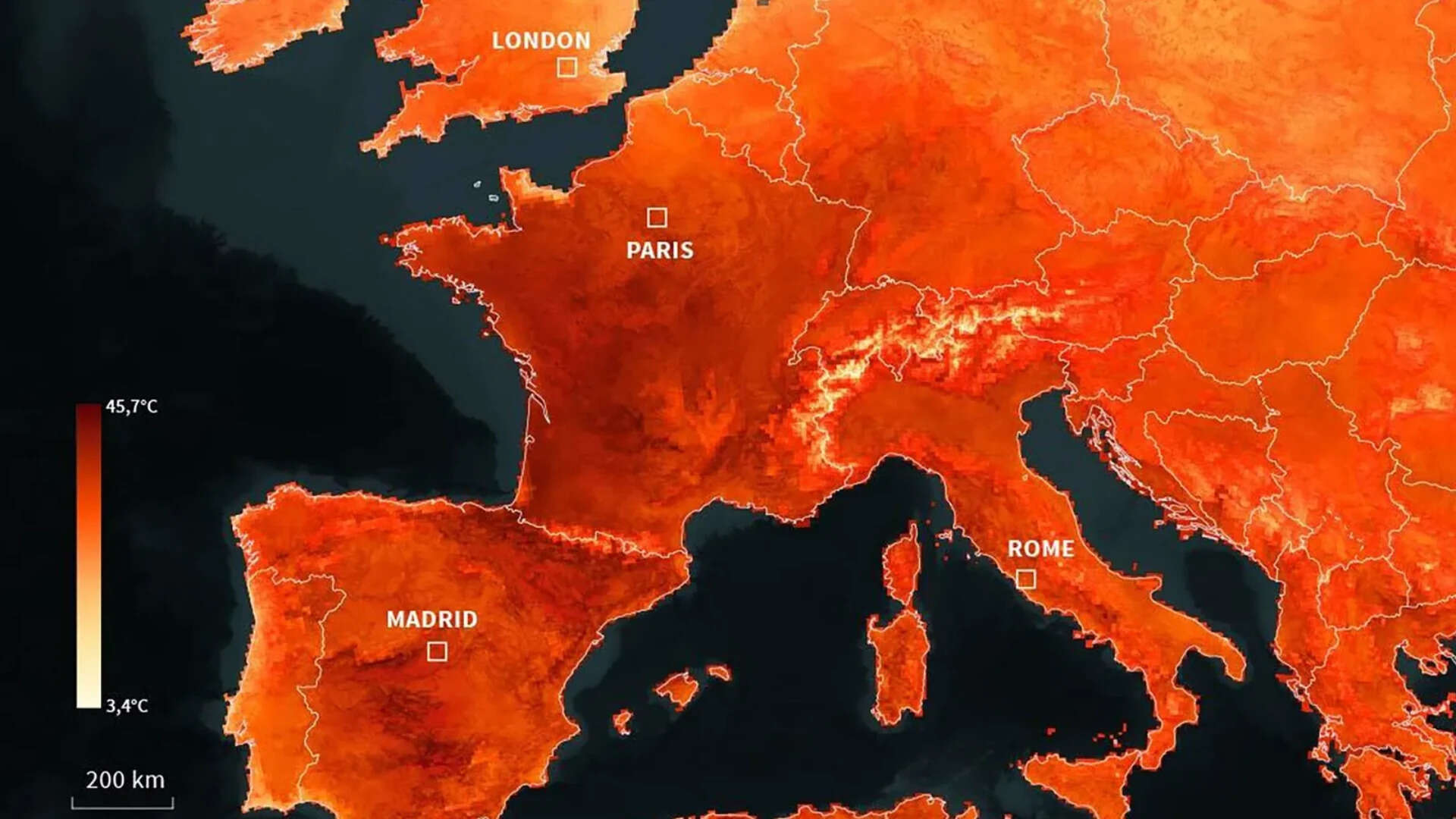
Nations from France to Poland smashed temperature records and public services strained under extraordinary demand.
France has borne the brunt: the national health ministry reported nearly 1,000 more deaths than expected since Wednesday, and interior minister Laurent Nuñez said at least 74 people have drowned since the heatwave began — most in unsupervised rivers, lakes and ponds.The majority of extra fatalities are among people aged 65 and over, and France logged a 40% rise in deaths at home, a stark sign that ordinary houses and apartments are failing as lifesaving cool refuges.“We are seeing a silent killer,” WHO chief Tedros Adhanom Ghebreyesus wrote on X, warning that European buildings, schools and workplaces were not designed for sustained temperatures of this intensity.“Europe is the fastest‑warming continent on Earth, heating at twice the global average,” he added, urging governments to activate heat health action plans.
Omega Block
Meteorologists say the extreme warmth is being driven by a heat dome produced by an Omega Block.Named for its resemblance to the Greek letter Ω, an omega block is a persistent pattern where a bulging high‑pressure ridge becomes sandwiched between two lower‑pressure troughs.The jet stream — the usual west‑to‑east conveyor of weather — is forced to buckle north and south, trapping the high pressure in place for days or even weeks.
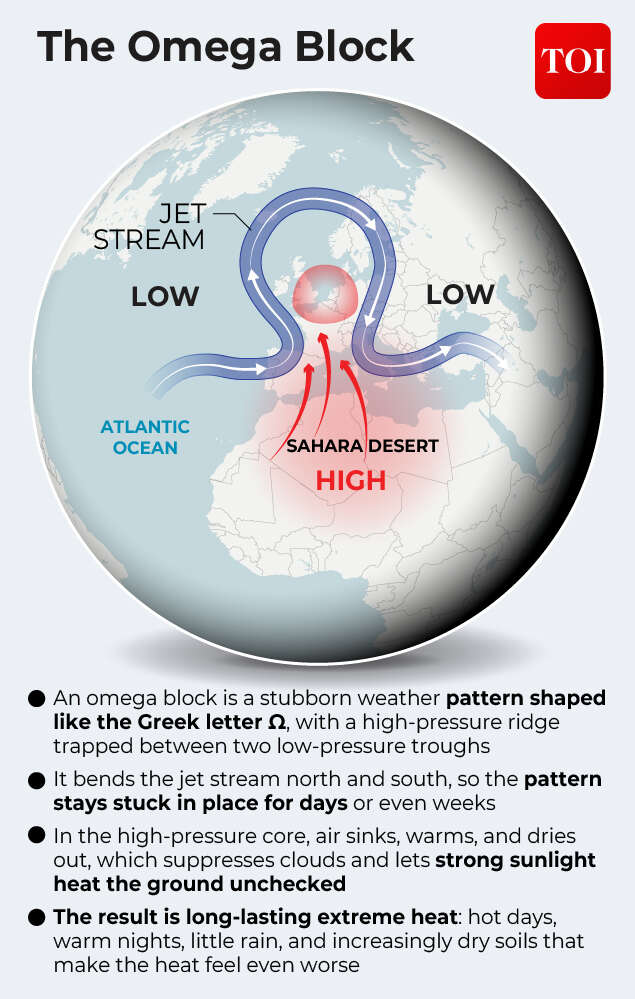
Meteorologists say the extreme warmth is being driven by a heat dome produced by an Omega Block.
Under the high‑pressure core, air sinks and compresses as it reaches the surface, warming and drying the column of atmosphere. Clouds are suppressed, sunlight pours through uninterrupted, and the soil and surfaces bake.The result is still, intense heat: daytime temperatures surge; nights remain warm; and the absence of rainfall dries soils and fuels heat‑amplifying feedbacks.Météo-France forecaster Sebastien Leas told AFP that a cold front off Portugal had been “acting like the heat pump, drawing up warm air” from north Africa and feeding it into the high-pressure bulge sitting over France and Spain.Germany recorded its hottest day for the third consecutive day, with a preliminary high of 41.7°C at Coschen near the Polish border. The Czech Republic logged 41.1°C at Doksany, north of Prague, and Poland’s town of Słubice hit a new national record of 40.5°C.
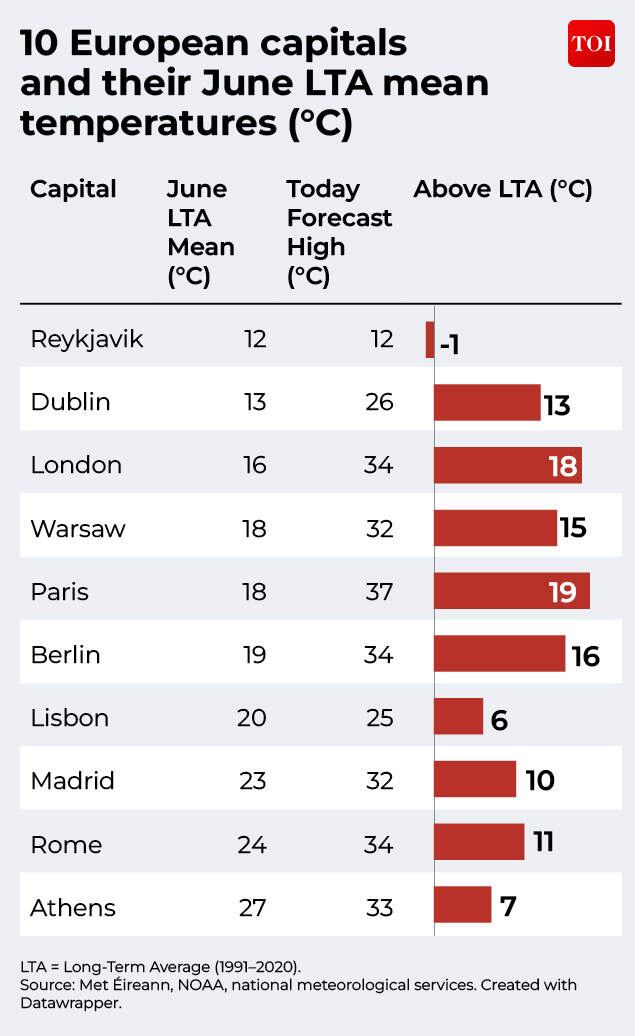
10 European capitals and their June LTA mean temperatures (°C)
Omega blocks typically last between three and ten days but can persist far longer in some cases.This week’s pattern has pinned an unrelenting warm ridge over much of western and central Europe while cooler, stormier air sits in the flanking low zones — a split that helps explain why the south and east of the continent are sweltering even as other regions see thunderstorms.
Roads melting, tram tracks twisted
Besides the human toll, infrastructure is also buckling.Roads have softened and melted in places, tram tracks have twisted under extreme rail temperatures, and electrical grids have strained as air‑conditioning demand surges.Emergency crews raced to cordon off collapsed pavements and reroute traffic, while commuters faced scorching platforms and delayed evacuations.Airports warned of runway restrictions as tarmacs softened.Scientists warned such infrastructure failures will become more common as heat extremes intensify, urging rapid climate adaptation: heat‑resilient materials, shade, and redesigned transport systems to withstand a hotter EuropePublic events were cancelled: the Dutch festival Defqon. 1 was called off after an unprecedented code red warning. Paris officials banned takeaway drinking in public and cancelled the city’s pride march to help emergency services cope.The heat is also rewriting daily risk.Authorities reported a spike in drownings as people sought relief in unsupervised bodies of water.Emergency services have been stretched by both heat illnesses and the secondary impacts of heat on transport and power.
The climate connection
Scientists are unequivocal that climate change has raised the odds and severity of heatwaves.Global mean temperatures are around 1.4°C higher than pre‑industrial averages, and Europe is warming faster than most regions. That warmer baseline makes extreme heat events hotter and more frequent.
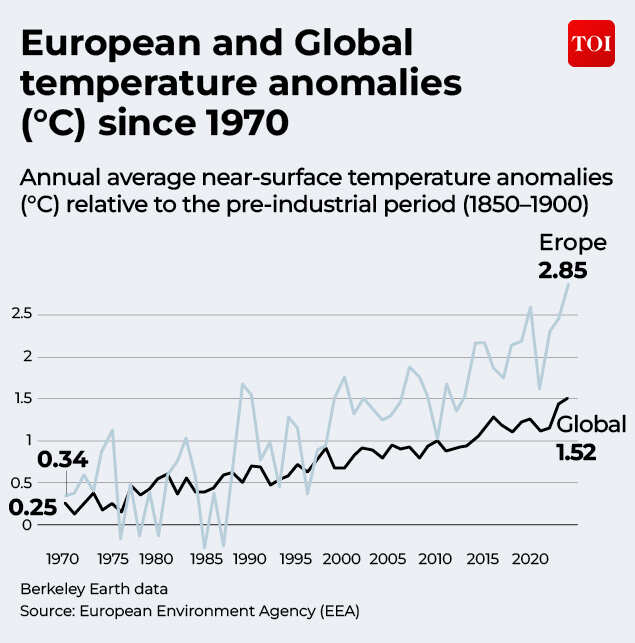
Global mean temperatures are around 1.4°C higher than pre‑industrial averages, and Europe is warming faster than most regions.
While debate continues over whether climate change directly increases the frequency of blocking events such as omega patterns, attribution studies show that the magnitude of this heatwave would have been “virtually impossible” without human influence.The World Weather Attribution group estimated that the stifling night‑time temperatures observed this week are now around 100 times more likely than two decades ago; a similar June heatwave 50 years ago would have been roughly 3.5°C cooler, their analysis concluded.This matters because when a blocking event occurs on a warmer planet, the trapped warmth amplifies rapidly.It is no longer a question of whether blocks happen — but of the severity and human cost when they do.
Not built for heat
The surge in deaths at home highlights systemic vulnerabilities.Much of Europe’s housing stock, particularly for older people and low‑income households, lacks insulation strategies that protect against heat (contrary to the more typical design goal of retaining warmth in winter).Public cooling centers, heatwave early‑warning systems, and targeted outreach to elderly and socially isolated people are uneven across countries.WHO and other public‑health agencies have urged governments to roll out heat health action plans: mapping vulnerable populations, opening cooling spaces, adjusting working hours for outdoor labor, protecting electrical supply, and scaling ambulance and hospital capacity.Rapid activation of such measures can save lives, but they require preparation and resources at national and municipal levels.
What comes next
Forecasts indicate the heat will continue to move east, but the timing and intensity of relief remain uncertain.Some western areas may see thunderstorms that temporarily break the heat, while central and eastern Europe could endure more prolonged high temperatures.In the short term, public guidance is straightforward and urgent: seek shade and cool environments, stay hydrated, avoid strenuous activity during peak heat, check on elderly neighbors, and follow local warnings about water safety.Europe’s early‑summer scorcher is a brutal reminder that heatwaves no longer arrive as once‑in‑a‑generation anomalies. Instead, on a warming planet and within atmospheric patterns that can trap warmth, such extreme events are becoming part of the seasonal landscape — with lethal consequences unless preparation and policy catch up to the new reality.