








New Delhi: For a league that has spent decades turning basketball players into global icons and team jerseys into fashion statements, the NBA‘s ambitions in India were never going to be restricted to television screens. The challenge, however, is turning that appeal into a sustainable business.India, with its young population, expanding digital audience and growing appetite for global sports and entertainment, represents a significant long-term opportunity for the league. But the NBA is conscious that building a presence in a cricket-dominated market requires more than securing a broadcaster and hoping fans tune in to watch games played thousands of kilometres and many timezones away.It is looking to create multiple entry points for consumers, with basketball, fashion, music, entertainment and retail forming parts of a larger commercial strategy.The latest step in that direction is the expansion of its merchandising partnership with Indian apparel company Suditi. Having worked together since 2018, the two have extended their association, with Suditi taking over the operation of NBAStore.in in October 2026. The expanded portfolio includes casual shirts and lifestyle footwear, alongside jerseys, T-shirts, jackets, sweatshirts, headwear and accessories.More significantly, the partnership will see the NBA open its first physical store in India in 2027. It is an important development for a league looking to take its relationship with fans beyond digital engagement and into everyday consumption.The idea is to make NBA merchandise a lifestyle proposition rather than limit it to conventional sports apparel. Its teams, players and iconic jerseys already have recognition beyond basketball-following circles. Just look at numerous LA Lakers, Chicago Bulls, Michael Jordan, Steph Curry, LeBron James knockoffs that get sold in the local markets. The opportunity lies in converting that cultural appeal into official merchandise sales.
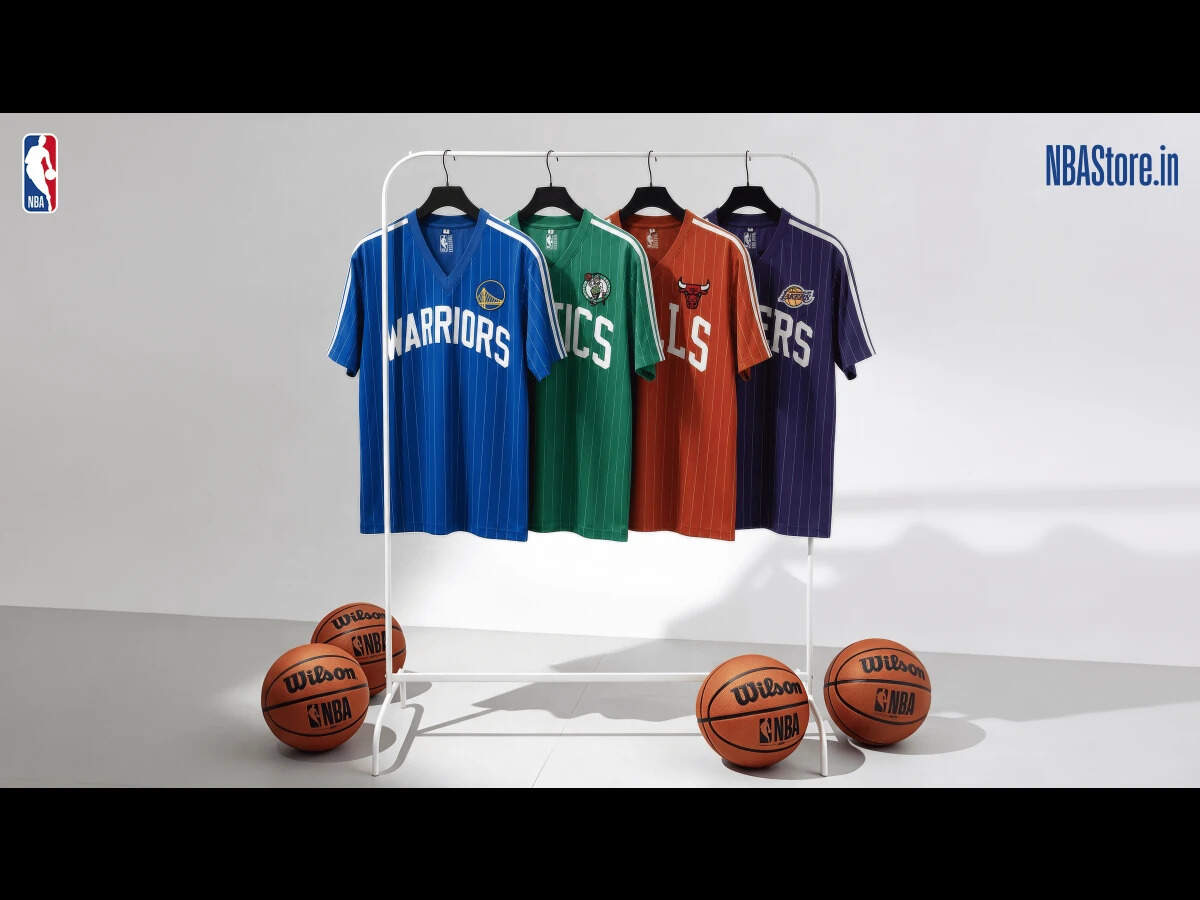
FIRST NBA STORE IN INDIA TO OPEN IN 2027 THROUGH EXPANDED MERCHANDISING PARTNERSHIP WITH SUDITI.
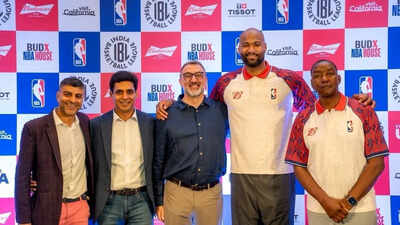
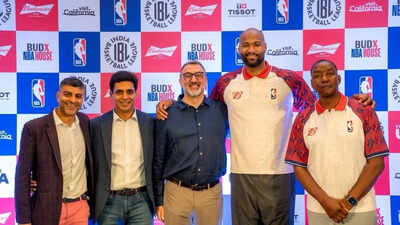
Long-term commercial partnerships are another important part of the NBA’s business model. Swiss watchmaker Tissot, which has been associated with the league for a decade, is an example of how these relationships can evolve beyond brand visibility.“Our partnerships are built on shared values, a common vision and a commitment to evolving together. The decade-long NBA association exemplifies this, with both brands continually innovating to enhance fan experience, most recently through a redesigned shot clock now adopted across the WNBA,” Tissot CEO Sylvain Dolla told TimesofIndia.com.Dolla added that the same approach extended to the brand’s associations across basketball, cycling and motorsport, where it works with Swiss Timing to develop sport-specific solutions. “Our objective is to contribute to each sport’s growth through long-term collaboration and innovation,” he added.
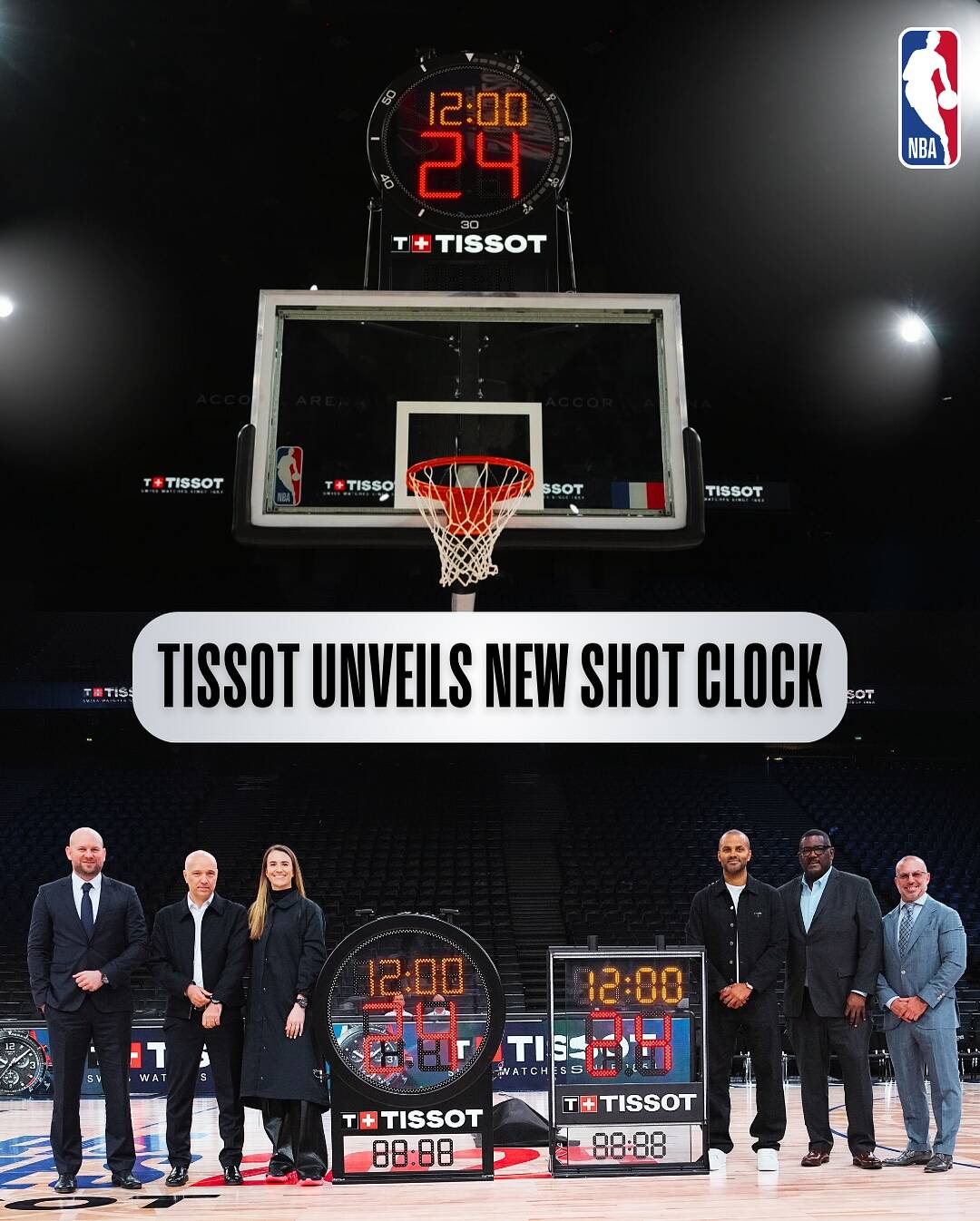
Tissot are the official timing partner of the NBA. (Instagram)
But retail and partnerships are only part of the equation.The NBA has spent considerable time experimenting with how Indian audiences consume its product. Its broadcast journey has included a decade-long association with Sony, followed by partnerships with MTV and digital platforms. It also explored making 100 games available live on YouTube, while its three-year association with Prasar Bharati took basketball content to DD Sports and a wider free-to-air audience.The reasoning was straightforward: live games alone cannot drive growth in a market where matches are played at inconvenient hours for Indian viewers.
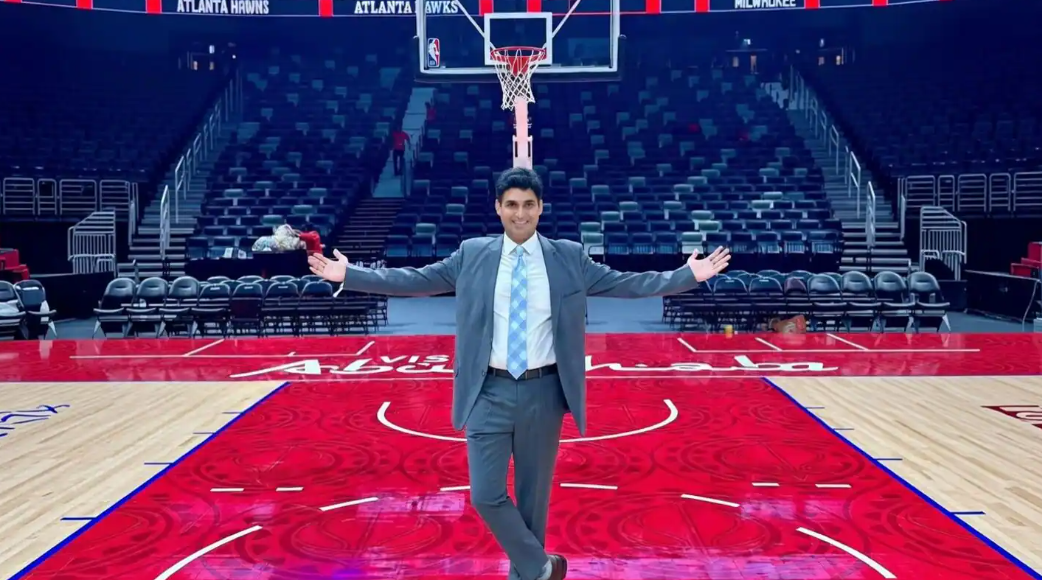
“You can’t just focus on broadcast and say, ‘please watch my game.’ You have to do other things around the sport,” said Rajah Chaudhry, NBA’s Asia-Pacific head of strategy, during an interaction with TimesofIndia.com in June.“The objective is not to get cocooned into just one way of saying that live games are the way to be. We want to try different ways because people like to consume games in different ways in the country. That’s our objective,” added Sunny Malik, NBA India’s Country Head.For the 2026-27 season, NBA games are available live in India on Prime Video and NBA League Pass. The challenge is to ensure that audiences remain connected to the league even when they are not watching live action.That is where digital content assumes importance. The NBA’s Indian social media platforms have accumulated more than eight million followers, generating over 1.8 billion impressions and 1.35 billion video views. Highlights, short-form clips, player stories and locally produced content allow the league to remain part of the conversation throughout the year.Its approach to fan engagement also extends beyond the screen.
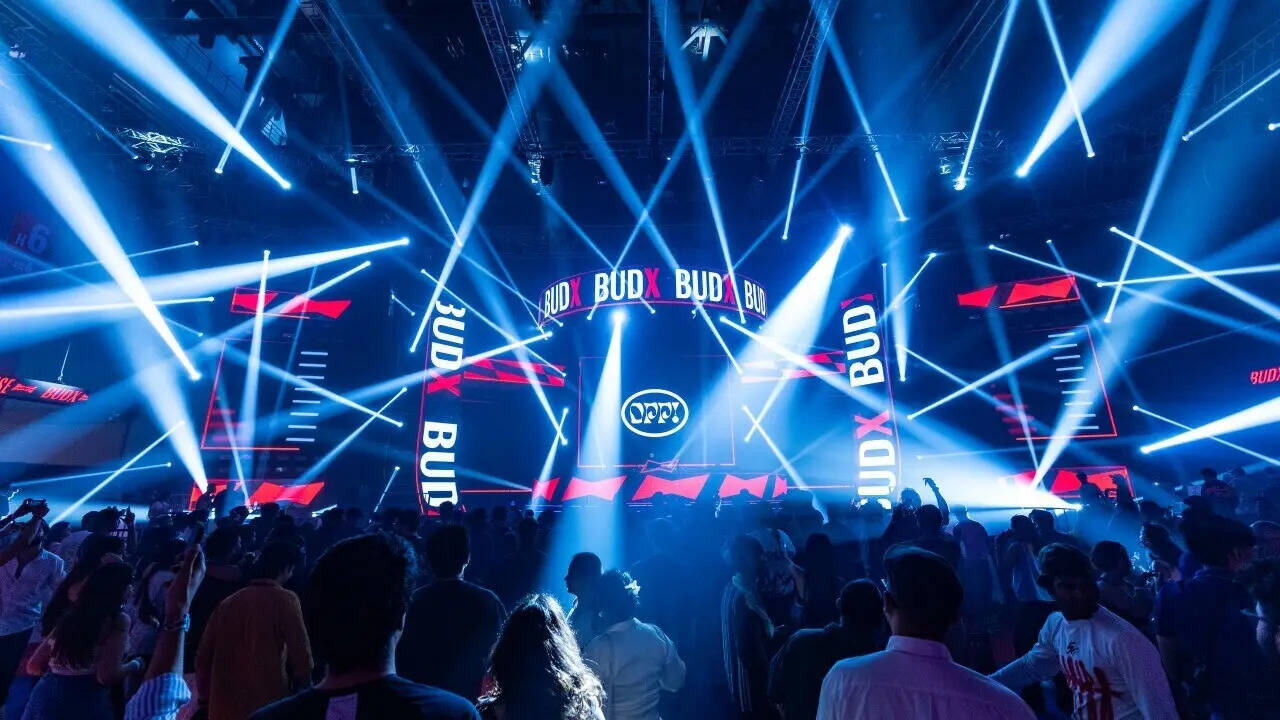
Crowd at the BUDX NBA House in New Delhi, India. (Instagram)
BUDX NBA House, which moved from Mumbai to New Delhi in May this year, brings basketball together with music, fashion, celebrity appearances and entertainment. The format is particularly relevant in India, where the NBA’s cultural appeal can reach audiences who may not necessarily follow the sport closely.The initiative has also found relevance beyond India, with elements of the experience informing the league’s approach in other Asia-Pacific markets.There is, however, a distinction between building awareness and building a business. Social media numbers and event attendance offer encouraging signs, but converting occasional engagement into regular viewership, merchandise sales and long-term commercial partnerships remains the bigger test.Cricket continues to command the country’s sporting attention, sponsorship money and broadcast market. The NBA also has to contend with a time-zone disadvantage and the challenge of developing a sizeable paying audience for a sport that still occupies a relatively small space in India’s domestic sporting landscape.The league’s India strategy, therefore, is built around connecting several businesses rather than relying on one. Broadcast distribution creates visibility, digital content sustains engagement, live experiences build communities, while merchandise and retail offer opportunities to monetise that relationship.The pieces are gradually falling into place. The question is whether they can come together to create something bigger.For the NBA, India’s opportunity is not merely about getting more people to watch basketball. It is about making the league part of their sporting, cultural and consumer lives.