











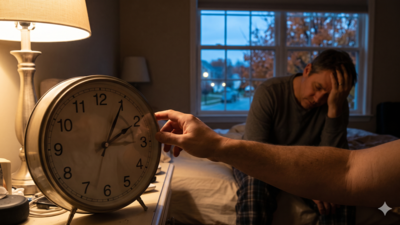
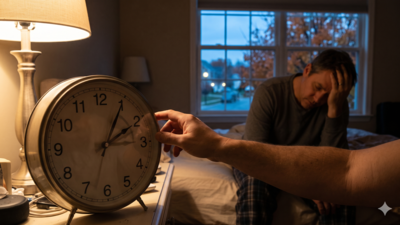
Most of the US turned its clocks back by an hour on Sunday, November 1, as daylight saving time ended for 2026. The switch happened at 2 am local time, the night after Halloween, giving millions an extra hour of sleep and much darker evenings until mid-March.The change comes as President Donald Trump pushes to make daylight saving time permanent. Sleep experts also want to scrap the twice-yearly switch, just not the way the White House does. They prefer permanent standard time, the very clock Americans returned to this weekend.Smartphones update on their own, but ovens, microwaves and car dashboards need a manual reset. Hawaii and most of Arizona skip DST, so their clocks stayed put, as did US territories like Puerto Rico and Guam. The Navajo Nation in Arizona does switch to match its communities in New Mexico and Utah.The difference shows quickly. Boston’s sun set at 5:39 pm on Saturday and at 4:37 pm on Sunday, according to the National Weather Service.For Indians, the gap with the US East Coast widens to 10.5 hours from 9.5, and with the West Coast to 13.5 hours from 12.5. The New York Stock Exchange now opens at 8 pm IST instead of 7 pm.
Donald Trump’s permanent daylight saving time push is stuck in the Senate
The House passed the Sunshine Protection Act with bipartisan support in July. It would keep clocks on DST all year, meaning later winter sunrises and sunsets, while letting states opt out of daylight saving time entirely.The bill has stalled in the Senate, where Arkansas Republican Tom Cotton leads the opposition. In October, Trump accused Cotton of blocking it and posted the senator’s cellphone number on social media, urging people to call him. Cotton pointed out that the US had tried permanent DST before and dropped it after people faced “absurdly late sunrises in the winter.”That attempt came in 1974, during the energy crisis, and was reversed within a year over concerns about children going to school in the dark.
Sleep experts and most Americans would rather keep standard time
The American Academy of Sleep Medicine backs permanent standard time as it aligns better with the body’s natural sleep cycle. Experts warn that darker mornings and brighter evenings can throw off sleep, and permanent DST would send millions of children to school before sunrise.Public opinion leans the same way. A Gallup survey found 48% of Americans favour permanent standard time, against 24% who want permanent DST.Time is also running out for the bill. All pending legislation expires in early January, when lawmakers elected in Tuesday’s midterms take office. If it dies, both chambers start over.So for now, the sleep experts have the clock they prefer. That lasts until March 14, 2027, when Americans spring forward again, an unusually late date because March begins on a Monday.