





More than a year after a conservation group linked to Leonardo DiCaprio helped acquire over 52,000 acres on Chile’s Guafo Island, efforts are continuing to secure its future as a protected area. The purchase, completed in 2025 for US$7.5 million, was intended to prevent destructive development and preserve the island’s wildlife and forests. According to Chilean newspaper La Tercera, which reported on the organisation’s financial records and negotiations on October 17, 2026, Re:wild (Re), the conservation organisation linked to DiCaprio, and its local partners are working with Chilean authorities on a legal framework for protection. The process also involves Indigenous communities with longstanding cultural and traditional ties to the island.
How the island was acquired for conservation
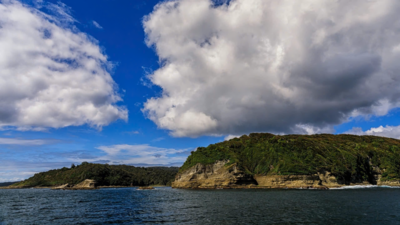
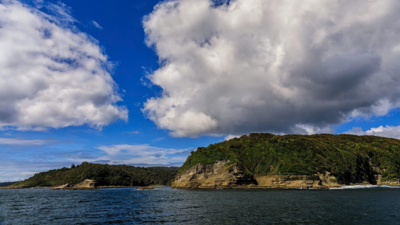
Guafo Island lies off the coast of Chiloé, in southern Chile, near the municipality of Quellón. It covers an ecologically important landscape that has attracted interest from coal mining and timber harvesting industries. In June 2025, Re announced that it had joined the Jeff and Marieke Rothschild Foundation, the Wyss Foundation and Art into Acres in purchasing the majority of the island from a private owner. WWF Chile and Corporación Cultiva later joined the follow-up conservation work.According to Re, the acquisition secured approximately 21,000 hectares, or 52,000 acres, against the threat of extractive development. The organisation said it intended to donate the property to the Chilean state so it could become a national park. The purchase was significant because much of the island’s coastal forest remains undisturbed. Re said the forest had never been logged and that non-native livestock had not grazed there, helping preserve its natural ecosystems.However, purchasing the land was only the first step. Its long-term protection requires an appropriate legal designation, consultation with stakeholders and arrangements for future management.
Why Guafo Island matters for wildlife
Guafo Island is recognised as a Key Biodiversity Area, a designation identifying places important for the persistence of biodiversity. Re has highlighted the island’s importance for seabirds, including the world’s largest breeding colony of near-threatened sooty shearwaters and a breeding colony of Magellanic penguins. The island also supports southern fur seals and endangered marine otters.Its surrounding waters form part of a productive marine ecosystem frequented by whales, including endangered blue and sei whales. Protecting the island therefore has implications beyond its forests and terrestrial wildlife, extending to the wider coastal environment. Conservationists argue that preventing mining and logging could help maintain these interconnected habitats. Yet formal protection must also account for the people who depend on the island’s marine resources and regard it as part of their cultural heritage.
Negotiations with Chilean authorities
According to La Tercera, Re’s local partner, Corporación Cultiva, began working with Chile’s Biodiversity and Protected Areas Service, known as SBAP, in February 2026 to advance the protection process. The proposed route includes establishing a private protected area before potentially transferring the property to the state. Re told the newspaper that its technical dossier was nearing completion and was expected to be submitted to the regional authorities in Los Lagos in the coming weeks.The dossier is intended to document the island’s environmental importance and support its proposed legal designation. The process will involve assessment and review, including responses to any requests for additional information. Re indicated that the process could conclude in November 2027, although the timeline may change depending on administrative requirements and Chile’s evolving biodiversity legislation.However, the acquisition has not yet resulted in full operational protection. According to La Tercera, permanent staff and park rangers had not been established on the island, and management and surveillance measures were still pending. Indigenous participation is another important consideration. Mapuche-Williche communities have sought recognition of a coastal marine area for Indigenous peoples, known as an ECMPO, covering waters and resources they traditionally use. Re has expressed support for that application and said it is maintaining dialogue with community representatives.
What Re:wild’s financial records reveal
The island purchase also features prominently in Re’s finances. La Tercera reported that the organisation recorded consolidated assets of approximately US$74 million and net assets of US$61 million at the end of June 2025. The US$7.5 million landholding was listed as its sole property asset. The newspaper also reported that DiCaprio, a founding board member, received no salary or other declared compensation for his role, which reportedly involved around one hour of work each week. The actor helped establish Re with conservation scientists, but the island was acquired through a wider philanthropic effort rather than as his personal property.The Jeff and Marieke Rothschild Foundation reportedly contributed US$2.5 million towards the Guafo project. Other financial support came from conservation philanthropists and organisations, including the Wyss Foundation and Art into Acres. For now, the acquisition has prevented the land from remaining available for the extractive development that conservationists feared. The next challenge is to establish lasting legal protection while respecting Indigenous communities and preparing a workable management plan.Guafo Island’s future will depend not simply on who owns the land, but on whether the ongoing negotiations produce a framework capable of protecting its ecosystems for generations to come.