






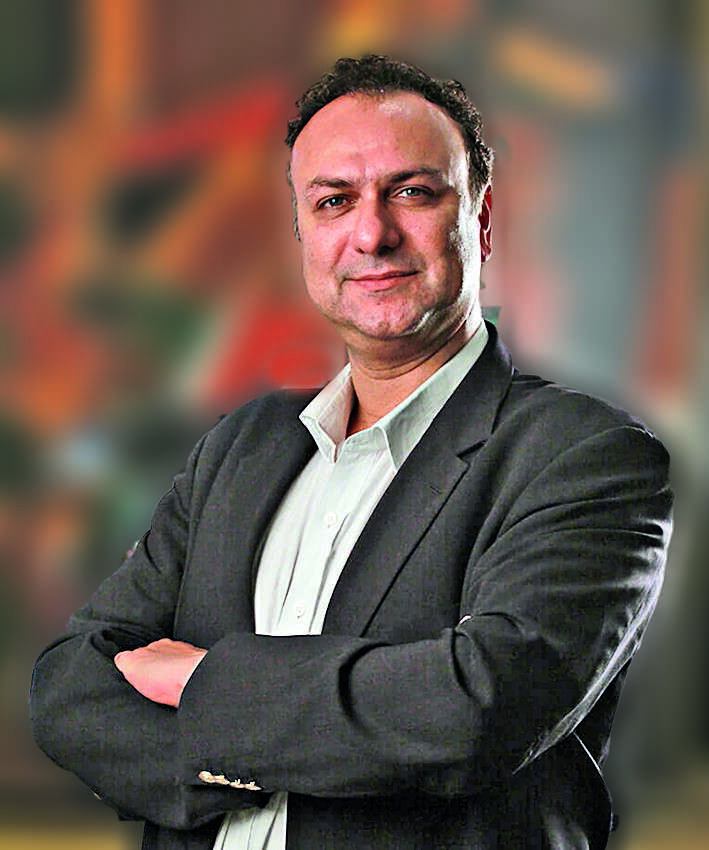
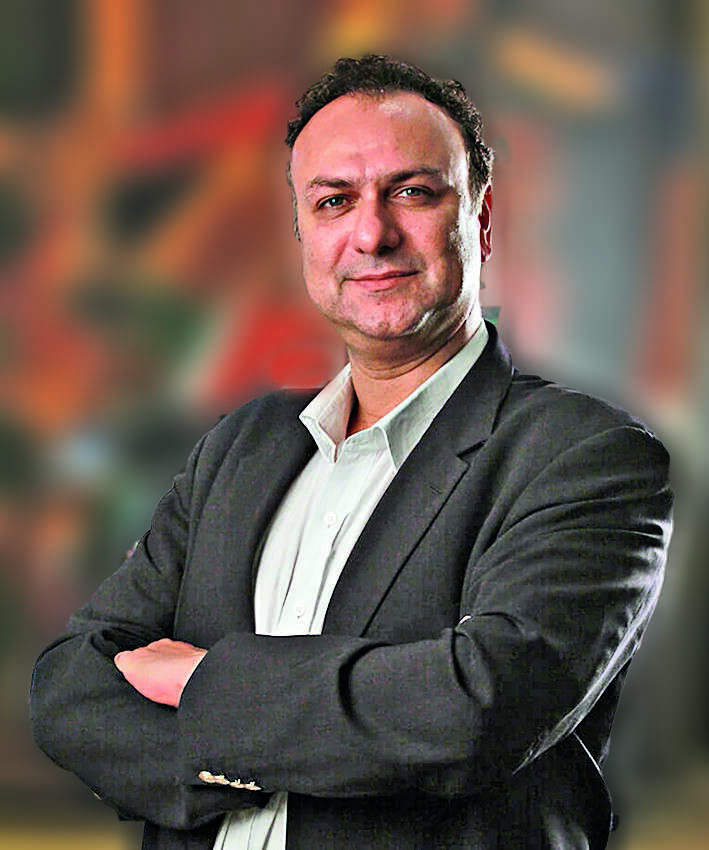
MUMBAI: A day after Tata Trusts chairman Noel Tata warned that a listing “will destroy” Tata Sons‘ character and “strike at the heart” of an operating model that “has stood the test of time for more than a century”, Shapoorji Pallonji Group (SPG) chairman Shapoor Mistry took the contrary view, describing a public listing as a “social and moral imperative” and deepening a rare public rift between two of the company’s largest shareholders.Mistry, whose conglomerate holds an 18.4% stake in Tata Sons, said the “path forward is clear” after Reserve Bank Of India rejected the company’s application to surrender its registration and directed it to comply with regulations.Before the RBI decision, brothers-in-law Noel and Mistry had explored a settlement under which SP would monetise part of its Tata Sons holding for Rs 25,000 crore. Noel had even tabled a proposal at Thursday’s board meeting, which he said came from SPG. The offer made in a letter – before RBI’s Sept 11 order mandating an IPO – entailed Tata Sons buying out shares held by SPG’s investment firms, Sterling Investment Corporation and Cyrus Investments, in two tranches.The talks evidently failed to yield an agreement due to differences over the valuation of SPG’s stake in Tata Sons. Typically, a holding company is valued by the stock market at a discount to the total worth of its investments in group companies. Mistry’s statement on Friday made no mention of differences between the two sides in arriving at the right price.An IPO, on the other hand, would provide SP more leverage and liquidity to pare debt and help unlock value for shares whose stakes have long been tied to Tata Sons’ private status.Mistry cast the RBI ruling on Tata Sons as an opening for reconciliation, not conflict. “This should not be viewed as a victory of one stakeholder over another,” he said. “It should be viewed as an opportunity to bring people and institutions together.”Despite the often fraught history between the two groups, their century-old relationship had endured, Mistry said, because it was “rooted in something larger than individual interests.”‘NextGen should inherit not a legacy of division, but a legacy of cooperation’ | page 23The public listing of Tata Sons is “not merely a financial or regulatory matter. It is a social and moral imperative,” Mistry said.The RBI decision marked a “pivotal moment not merely for Tata Sons, but for the principles of transparency, accountability, fairness and responsible institution-building that should guide enterprises of national importance”, Mistry said. He lauded the “exemplary leadership” of PM Modi, “particularly his commitment to strengthening institutions and enabling them to discharge their responsibilities with clarity, authority and purpose”, referring to the “govt’s stated respect for RBI’s autonomy”.SPG became a substantial stakeholder in Tata Sons through a series of purchases starting in the 1930s and going up to the 90s involving sale of shares by descendants of the Tata Group founder as well as others. “I believe the next generation should inherit not a legacy of division, but a legacy of cooperation,” Mistry said. “There is a great deal that the Shapoorji Pallonji and Tata institutions do and can continue to do together.“He urged Tata Sons, Tata Trusts and other stakeholders to approach a listing in a “spirit of harmony and shared purpose.” “Let us not allow the listing to become even a minor point of division. Let us use it as an opportunity for reconciliation.” He added that he wanted to work “closely and constructively” with Tata Sons toward that end.A listed Tata Sons, Mistry said, would broaden participation in the company, improve governance, provide greater visibility on value, and pave the way for a more equitable dividend policy while protecting investors’ interests.Invoking Tata founder Jamsetji Tata, Mistry argued the group’s next chapter should place community and nation-building at the centre of enterprise, directly contesting Noel’s framing. “The question before us should not simply be who owns what, or how a corporate structure is preserved,” he said. “The larger question should be how one of India’s greatest industrial institutions can become even stronger, more transparent, more accountable and more capable.“