






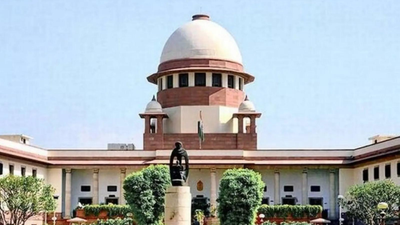
NEW DELHI: The Supreme Court on Thursday sought responses from the Uttar Pradesh government and others on a plea challenging provisions of a 1980 law that provide pension and other facilities to sitting and former MLAs and MLCs in the state.A bench of Justices Vikram Nath and Sandeep Mehta issued notice on the petition challenging a May verdict of the Lucknow bench of the Allahabad High Court, which had dismissed the plea against the constitutional validity of the provisions.The top court posted the matter for hearing after four weeks.
Plea questions benefits to legislators
The petitioner, Lok Prahari, had challenged provisions of the Uttar Pradesh State Legislature (Members’ Emoluments and Pension) Act, 1980, arguing that the state legislature had effectively made itself the “judge in its own cause” by granting benefits to its sitting and former members.The plea contended that the benefits were “manifestly arbitrary” and contrary to the constitutional principle that public office is meant for public service and not personal gain.The High Court had noted that the law provides sitting and former MLAs and MLCs with salary, allowances and other facilities. It also extends pension, family pension, free travel, medical facilities and other amenities to their spouses, family members and companions.
What petitioner argued
The petitioner contended that these provisions go beyond the powers conferred on state legislatures under Article 195 of the Constitution.Article 195 deals with the salaries and allowances of members of state Legislative Assemblies and Legislative Councils. According to the petitioner, it does not specifically provide for pension, post-retirement benefits or facilities for family members and companions.
Share your thoughts in the comments
Be respectful · TOI community guidelines
What Allahabad HC said
The High Court, however, had held that the challenge was essentially based on a policy disagreement rather than any demonstrable constitutional infirmity.It observed that the constitutional scheme does not prevent a legislature from making provisions for pension, allowances or allied benefits for its members, including former members.While dismissing the plea, the High Court had said there was no constitutional bar on the state legislature enacting measures of social security for its current and former members.