




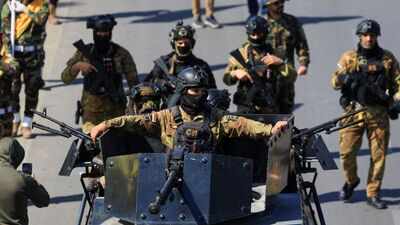
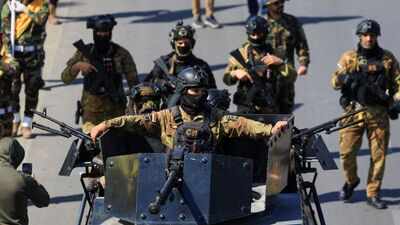
Iraqi Prime Minister Ali al-Zaidi is facing growing pressure to disarm the Iran-backed Shi’ite militias, with several groups resisting efforts to hand their weapons to the state. The standoff is creating a difficult security and political challenge for the Iraqi government as tensions between Iran and the United States continue to shape the region.According to Reuters, Zaidi pledged after meeting US President Donald Trump at the White House in July to disarm the powerful militia groups by September 30. The date also coincides with the planned withdrawal of the remaining US-led international coalition forces from Iraq.Reuters reported that five armed groups have rejected the September 30 deadline, while the most powerful faction, Kataib Hezbollah, has demanded guarantees that US forces will not return and that American political and economic influence in Iraq will end.The issue puts Zaidi in a difficult position. While he has received strong backing from Washington, Iran continues to wield significant influence in Iraq through its ties with Shi’ite militias and politicians.Reuters reported that the Islamic Resistance in Iraq, an umbrella group of around 10 hardline Shi’ite factions, has about 50,000 fighters and possesses long-range missiles and anti-aircraft weapons.Several of these factions are also part of the Popular Mobilization Forces (PMF), an umbrella of armed groups formally incorporated into Iraq’s security forces in 2016 and placed under the authority of the prime minister. Their political and military influence makes any attempt to forcibly disarm them a difficult challenge for Baghdad.Recent arrests of militia members by Iraqi special forces have also triggered threats of retaliation and political intervention, highlighting the risks of trying to force the groups to give up their weapons.From militias to state security forcesShi’ite militias have been part of Iraq’s security landscape for decades. The Badr Organisation, one of the oldest major groups, fought alongside Iran against Saddam Hussein’s forces during the Iran-Iraq War in the 1980s. After the 2003 US-led invasion, Iran-backed groups including Badr, Kataib Hezbollah and Asa’ib Ahl al-Haq also fought US forces in Iraq.Their influence grew sharply in 2014, when ISIS seized large parts of northern and western Iraq, with Iraqi security forces collapsing in several areas.Grand Ayatollah Ali al-Sistani called on Iraqis to join the security forces and fight ISIS, triggering a large mobilisation of volunteers and the formation of the Popular Mobilization Forces (PMF) as an umbrella for various armed groups.In 2016, Iraq formally recognised the PMF as part of the country’s armed forces, placing it under the authority of the prime minister. However, the force brought together groups with different loyalties, and some of its most powerful factions have maintained close ties with Iran and significant autonomy.US forces prepare to leave IraqThe planned US-led coalition withdrawal adds another layer to Iraq’s militia disarmament challenge. Washington and Baghdad have agreed to end the coalition’s military mission in Iraq, with the remaining forces scheduled to leave by September 30. Iraqi forces are expected to take full responsibility for security and countering the Islamic State threat.Iraqi Prime Minister Ali al-Zaidi has described September 30 as the “fixed and final” date for ending the coalition’s military mission and completing the departure of its forces. From October 1, Iraq is expected to enter a new phase of security cooperation with the United States without the existing coalition military presence.The withdrawal is particularly significant because Iran-aligned militias have long opposed the continued presence of US forces in Iraq. Some of the groups now resisting disarmament have demanded assurances that American forces will not return and that US political and economic influence in Iraq will end.