
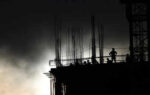
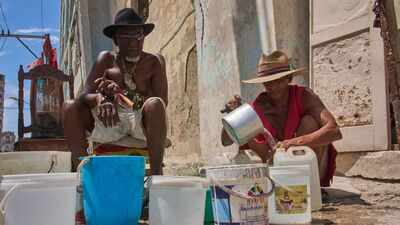
Cuba is facing a growing crisis as long power cuts, fuel shortages and lack of water make daily life harder for millions of people. The crisis is also taking a toll on people’s mental health, with many struggling to see when conditions will improve.According to The Associated Press, blackouts in Cuba are now lasting more than 24 hours in some areas. The power cuts have also affected water supplies, transport and phone services, adding to the problems faced by ordinary people.“Before there was hope. Right now, what people have lost is exactly that,” Dr Yomeidis Felicó Riverón, a primary-care doctor, told AP. She said some patients come to her simply to cry and talk about their problems.The electricity crisis is at the centre of Cuba’s problems. The country’s power system is struggling with a lack of fuel, leading to longer and more frequent blackouts. The outages also affect water systems because many depend on electricity to pump and distribute water.Water shortages have become a serious problem in several parts of Cuba. The US Embassy in Havana has warned that the country’s water system is becoming increasingly unstable, with some areas going for long periods without public water.The situation is also creating health risks. The US embassy has warned of an increase in stomach illnesses linked to problems with water and energy supplies, including cases involving E. coli, norovirus and Shigella.US energy pressure on CubaThe worsening crisis comes as the United States increases pressure on Cuba’s energy supplies. In January 2026, US President Donald Trump ordered measures against countries that provide oil to Cuba. His administration said the move was aimed at putting pressure on the Cuban government.The US also imposed new sanctions on September 3 against Cuba’s Oil Industry Supply Import Company, known as Abapet. The company imports equipment and spare parts used to maintain Cuba’s power grid.The latest US measures are part of a much longer dispute between Washington and Havana.Relations between the two countries changed sharply after Fidel Castro’s 1959 revolution in Cuba. Castro’s government moved closer to the Soviet Union, while the United States began imposing economic restrictions on Cuba.The US later introduced a broad trade embargo that remains in place today. Relations improved under former President Barack Obama, who restored diplomatic ties with Cuba in 2015 and eased some restrictions.However, former President Donald Trump reversed many of those steps during his first term. The Biden administration made some limited changes, but the wider US embargo remained.Trump’s return to office has brought another sharp increase in pressure on Cuba, with energy supplies now a major focus of the US campaign.