






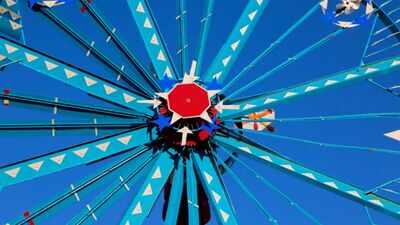
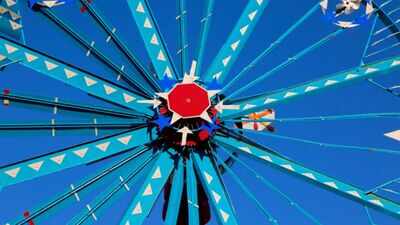
Vollis Simpson spent much of his life repairing farm machinery in Wilson County, North Carolina. After retiring, he began building huge wind-powered sculptures on his farm using discarded materials. What started as a hobby soon grew into a collection that drew visitors from across the country.Simpson, a self-taught folk artist, began building the monumental kinetic sculptures in his 60s. According to the Vollis Simpson Whirligig Park & Museum, he used salvaged road signs, bicycle parts and scrap metal to create towering structures that moved with the wind. The works later became recognised as examples of American Folk Art.The sculptures first stood on Simpson’s farm in Lucama, about 11 miles outside Wilson. As word spread, especially after the rise of the internet, visitors began travelling to see them. The farm eventually became Wilson County’s top tourist destination, according to a 2020 economic impact report prepared for the City of Wilson.But Simpson grew older and the sculptures began to deteriorate. The Wilson community then worked to preserve his creations and bring them into the city. The result was the Vollis Simpson Whirligig Park, a roughly two-acre public art park in downtown Wilson that opened in November 2017.
From farm collection to downtown park
The park was created through a public-private partnership involving the City of Wilson and the nonprofit Vollis Simpson Whirligig Park and Museum. It now contains 30 restored large-scale kinetic sculptures.The move was a major undertaking, involving the conservation and installation of the sculptures at the new downtown site. The aim was not only to preserve Simpson’s work but also to create a public gathering space and encourage activity in downtown Wilson.That effort appears to have had a measurable economic effect. A 2020 economic impact study found that, during the park’s early years, visitors from outside the region generated about $1.7 million in spending in Wilson County annually. After accounting for the wider economic ripple effects, tourism linked to the park generated about $752,000 in annual earnings and supported 28 full-time jobs.
Property values rose around the park
The study also examined property values in an area containing about 340 parcels around the park. In 2009, before the park project was announced, properties in the study area had a combined assessed value of about $49.8 million. By 2019, that figure had reached $67.7 million, a 36% increase.The report compared that rise with property values across Wilson. The total assessed value within the city remained almost unchanged during the same period. The park area therefore had gained more than $17.9 million in assessed value over the 10-year period.
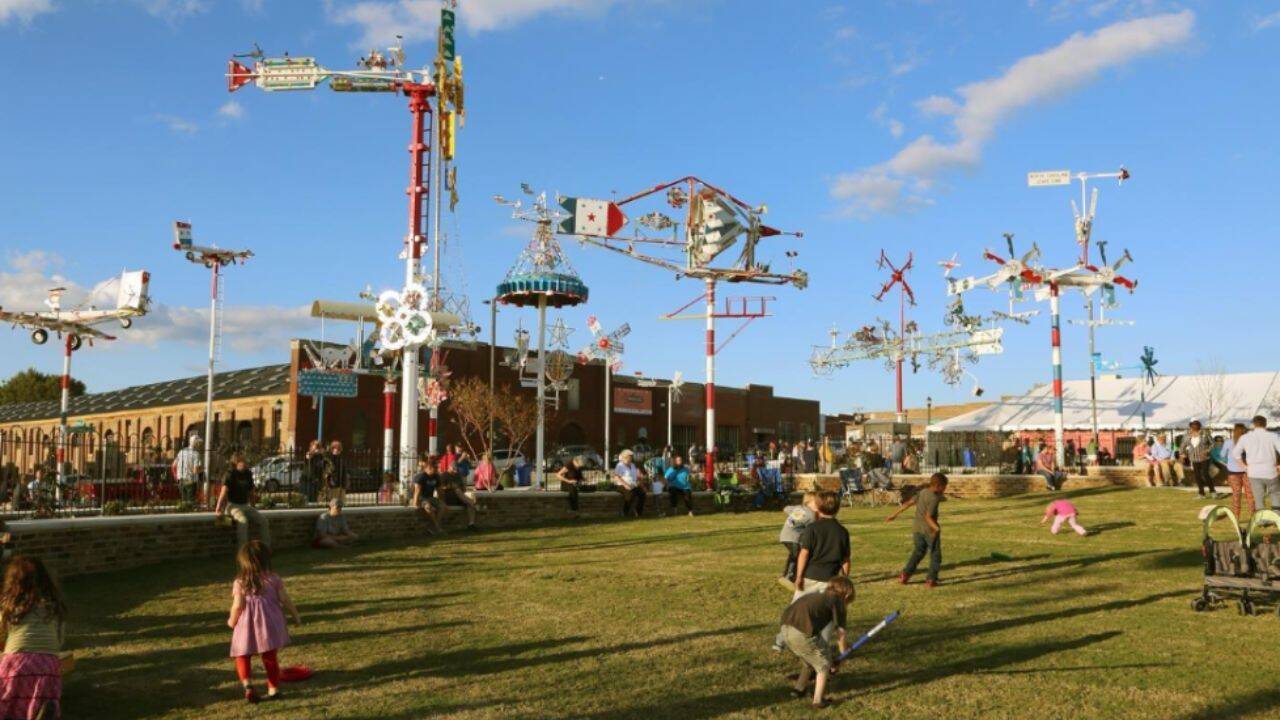
Kids enjoy the open space of the park during an event.
Commercial activity also increased. Property owners and real estate professionals interviewed for the report described the park as a major asset and a “draw” for downtown.One property owner said they “would not have done” their first redevelopment project without the positive announcements around the Whirligig Park and nearby Whirligig Station.The report said the park and other downtown investments helped create what one interviewee called a “destination”, while another described the change as going from “dead to active”.
Visitor numbers have grown
The park’s visitor numbers have continued to grow since the period covered by the 2020 study. According to the Whirligig Park’s current figures, about 194,300 people visited the park in 2024, including roughly 92,550 visitors from outside the region.The park says its annual economic impact has now reached $5.3 million in total regional sales, with an annual income impact of $1.9 million and 42 jobs supported.In 2019, regular visitation was estimated at about 90 people a day, or nearly 32,850 visitors for the year. The study also found that visitors from outside Wilson County were an important source of new spending because their money was considered new economic activity for the county.
Simpson’s work lives on
Simpson died in 2013, four years before the park opened. But the sculptures he built from scrap continue to form the centrepiece of downtown Wilson.The park now presents 30 of his restored works in one location, allowing visitors to see the machines that once stood on his farm. The organisation behind the park continues to operate it through its partnership with the City of Wilson.