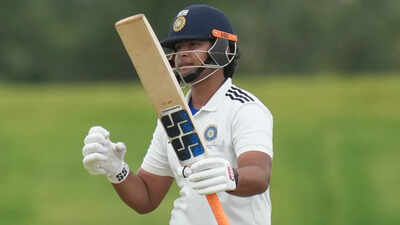







George’s 115 against Afghanistan was a study in control. It was the third-highest score ever recorded in a U-19 World Cup knockout match, yet he speaks of it without drama. For him, the innings was about resisting the temptation to think beyond the present moment. The focus stayed firmly on each delivery, nothing more.
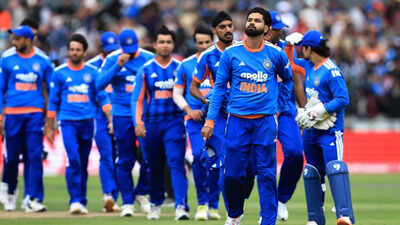
That approach has become a defining feature of this Indian side. Under coach Hrishikesh Kanitkar, preparation has been stripped of excess. There are no grand lectures or emotional crescendos. The emphasis is on neutrality, clarity in roles and trust in repetition. Training is designed to build muscle memory rather than chase hypothetical scenarios.
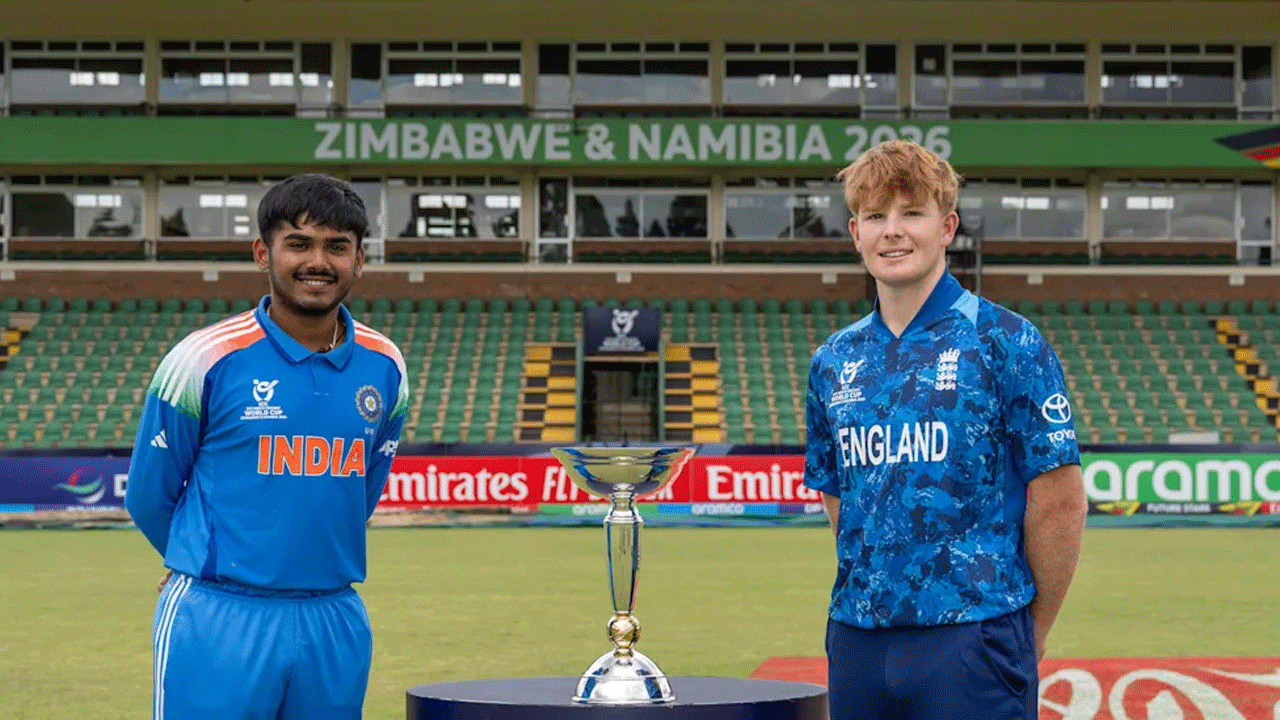
Friday’s final against England will mark India’s sixth straight appearance at this stage and their tenth overall. No other team has reached as many U-19 World Cup finals. Yet within the camp, the match is being treated as another test of discipline rather than a historic occasion.
George admits that finals bring challenges that cannot be rehearsed. Nets sessions and planning only go so far. Once the match begins, instinct, awareness and honesty to the process take over. That is where this team believes its strength lies.
Away from cricket, George finds balance through music, routine and faith. He speaks openly about prayer and grounding habits, describing himself as “God loving” rather than God fearing. His ambitions stretch beyond this tournament, with dreams of becoming a three-format player for India.
Pressure, he concedes, never truly disappears. The difference now is learning to coexist with it. As England prepare to challenge India’s calm with intensity, the final may hinge not on flair or force, but on which team holds its nerve longer.