





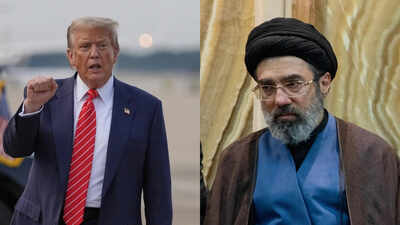
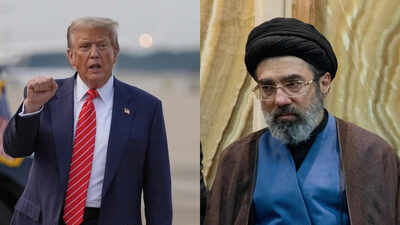
US President Donald Trump is preparing to take his campaign against Iran into a new phase, with Washington threatening tougher sanctions and economic isolation in a bid to force Tehran into accepting a deal. But the strategy carries a major risk for the Gulf: Iran could respond not by capitulating, but by attacking the region’s energy infrastructure and alternative oil-shipping routes.The warning came from Mohsen Rezaei, the newly appointed head of Iran’s Supreme National Security Council, who said Tehran would retaliate against neighbouring countries that joined what he described as the US “economic war”. Iran, he warned, could target oil routes outside the Strait of Hormuz and the interests of countries supporting Washington.“If Trump wants to do something, we will retaliate in a seismic manner,” Rezaei said in an interview with Iranian state broadcaster IRIB. He also warned that US commercial and economic interests in the region could become targets if Washington imposed further sanctions.The threat comes as Trump has repeatedly claimed that the Strait of Hormuz is effectively US territory. He has said Washington controls the waterway through its naval blockade and has even floated the idea of formally declaring it American territory. The comments have added to concerns among Gulf states already caught between Washington’s economic pressure campaign and Tehran’s ability to disrupt regional trade.Why Gulf states fear an economic war could become militaryTrump’s strategy is aimed at achieving through economic pressure what months of US and Israeli military action have failed to accomplish — forcing Iran to accept Washington’s terms.According to analysis cited by the South China Morning Post, the next phase could involve sanctions targeting countries and companies that continue doing business with Tehran, potentially affecting major trading partners such as China, India, Turkey and the United Arab Emirates.But that pressure could carry serious consequences for the Gulf. Iran has already demonstrated its ability to use drones and missiles against US bases and civilian infrastructure across the region. Any escalation could put oil facilities, ports, power plants and other critical infrastructure at risk.The Strait of Hormuz is particularly important. Before the war, the narrow waterway carried around a fifth of global oil supplies. With Iran maintaining leverage over the strait, Gulf producers have a powerful reason to fear any strategy that could provoke Tehran into widening the conflict.US economic pressure is also coming as Iran faces severe financial strain. Its oil exports have reportedly been virtually halted by the blockade, while inflation has surged above 80% and the rial has continued to lose value. The International Monetary Fund has forecast a 6.1% contraction in Iran’s economy this year.Yet economic pain has not translated into capitulation. Iranian President Masoud Pezeshkian has argued that Tehran needs to break out of the current “neither war nor peace” situation and defended a June memorandum with Washington as a possible route towards a settlement.