






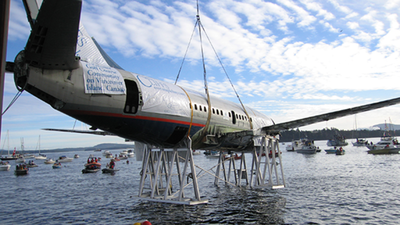
A Boeing 737 aircraft that was originally the part of the Canadian Airlines fleet now lies nearly 90 feet underwater and serves the role of an artificial reef for marine life. The 100-foot jet was decommissioned by Air Canada due to age and structural problems, stripped of all usable components and the airframe was donated to the ARSBC. It was sunk by the ARSBC near Chemainus, BC on January 14, 2006.
A jet to a reef
Xihuw, is the Hul’qumi’num word for the red sea urchins that used to live in abundance in these waters
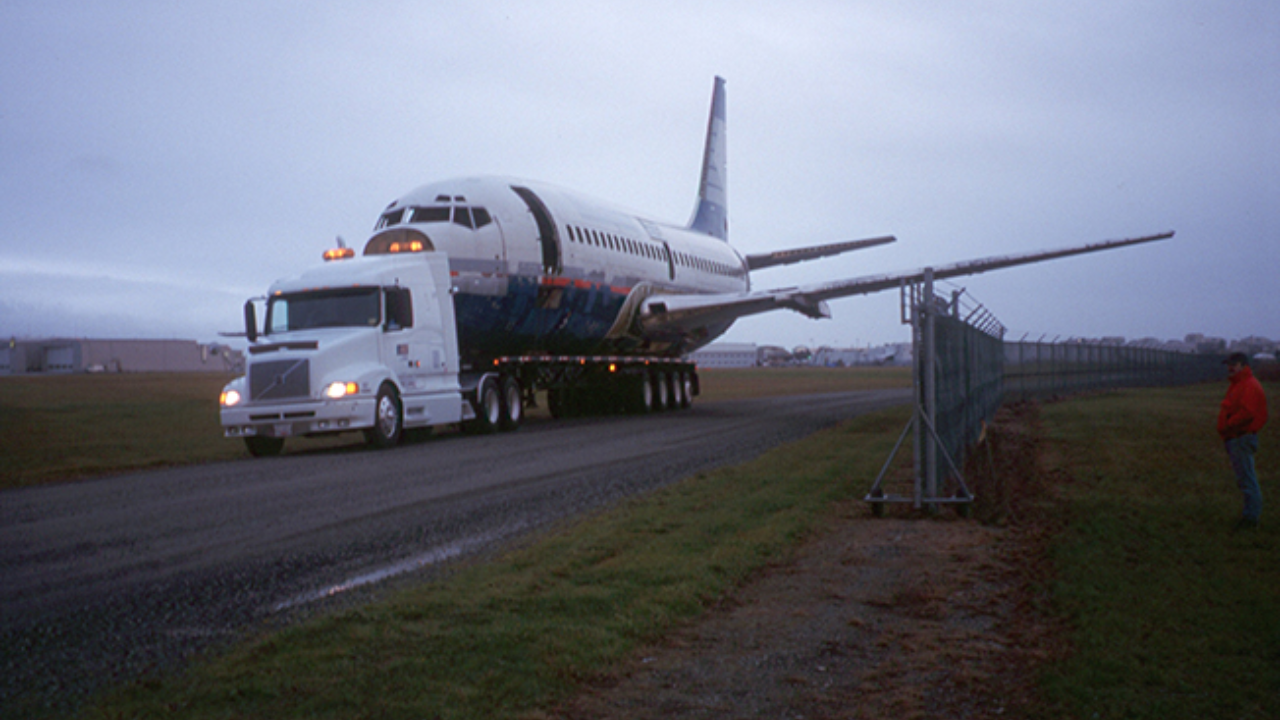
Now known as Xihuw, it was donated by Qwest Airparts of Memphis, Tennessee, through the efforts of Air Canada. Xihuw, is the Hul’qumi’num word for the red sea urchins that used to live in abundance in these waters but whose population has dwindled, sadly, due to pollution and over-fishing. The first step began with a phone call from Fraser MacLean of Air Canada in November 2002. The company had a Boeing 737 that was slated to be decommissioned. Fraser had seen the coverage of the HMCS Cape Breton’s sinking, and thought the ARSBC might be interested in acquiring the Boeing 737 for its second reef.The plane, which had been stripped down, weighs 15 tonnes and measures 30 metres long. The process of finding an underwater home for the aircraft proved a turbulent one, with sites considered from Vancouver to Sechelt to Courtenay/Comox and Victoria. Southern Vancouver island became the final home thanks to the community support garnered by Peter Luckham of 49th Parallel Diving.Volunteers spent hundreds of hours scrubbing the fuselage clean of grease, insulation, and any residual pollutants, ensuring nothing toxic would leach into the marine environment once it was underwater. After nearly four years of planning, including securing approval from Environment Canada and six local First Nations, the project was cleared for its final descent. On Saturday January 14, 2006, the plane was mounted on 11-foot-high support stands and lowered by crane into the waters of Georgia Strait off Chemainus.Cranes slowly lowered the decommissioned plane into the ocean off Chemainus, about 70 kilometres north of Victoria, slightly more than a month after Environment Canada gave final approval to a plan dreamed up by diving fans. The site was chosen specifically because the region lacked significant marine life at the time, having been affected by decades of forest-industry debris on the seafloor. The plane was mounted on stands about 11 feet high, positioned so divers could swim not just through the cabin, but underneath the fuselage as well. The sinking was documented for the Discovery Channel series Mega Builders.
Life in a jet
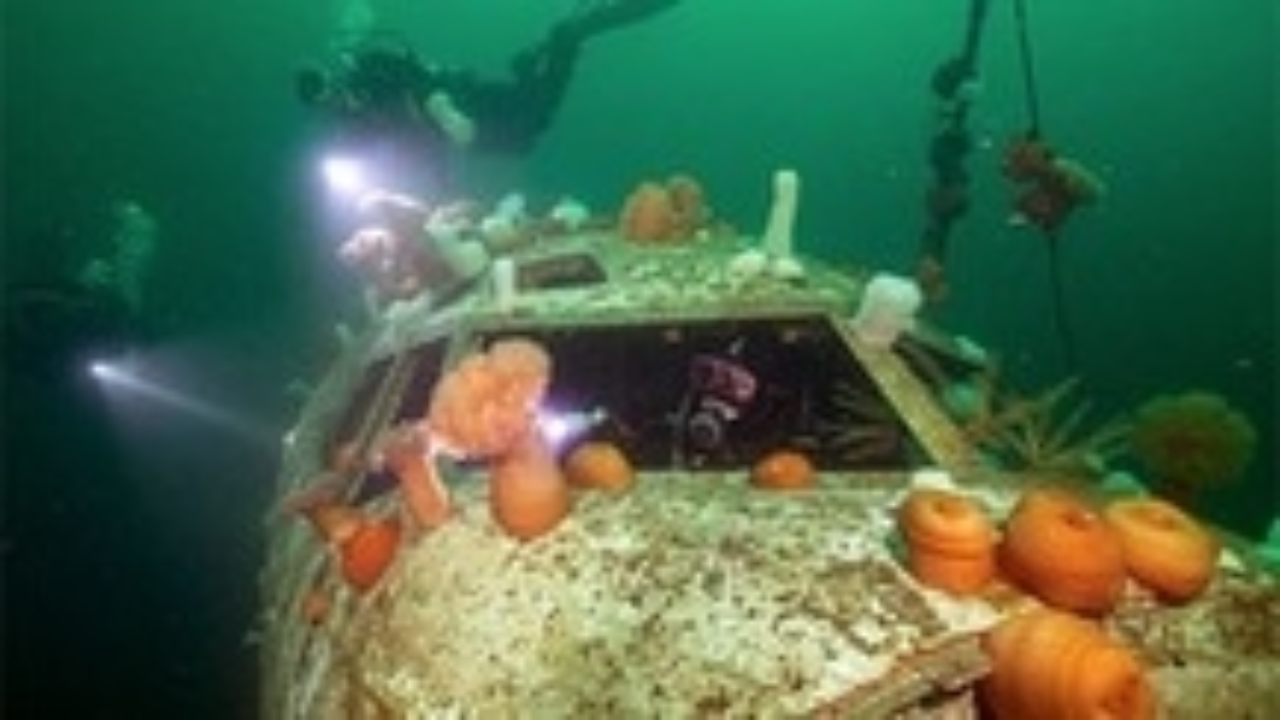
Cloud sponges, plumose anemones, feather stars, octopuses, and the site’s namesake red sea urchins have all colonised the aircraft’s surfaces over the years.
Within a few years, the ARSBC’s projections of new sea life proved accurate, and today the wreck hosts more than a hundred documented species. Rockfish shelter along the wings and fuselage, lingcod rest on the surrounding sand, and schools of juvenile fish use the plane’s structure for cover. Cloud sponges, plumose anemones, feather stars, octopuses, and the site’s namesake red sea urchins have all colonised the aircraft’s surfaces over the years.Today, the Xihwu Reef sits at a maximum depth of about 90 feet, with the fuselage itself around 70 feet down — well within recreational diving limits, though cold water and current mean a thick wetsuit or drysuit is essential. Divers can enter the cabin, now stripped of seats, and look down through openings into the old cargo holds, or make their way forward to the cockpit, where small rockfish frequently gather. A memorial plaque honouring two WWII pilots, along with a carved wooden mask that once adorned the aircraft’s nose, is mounted on one of the support stands.Local dive charters run regular trips out to the site from Chemainus, and it has become a fixture on lists of the best wreck dives on Vancouver Island, an unlikely companion to the sunken ships and naval vessels that make up most of the region’s other artificial reefs. Nearly twenty years on, the 737 stands as a reminder that even a decommissioned airliner can find a second purpose: not carrying people through the sky, but hosting an entire ecosystem beneath the waves.