






The International Criminal Court (ICC) has been in the news after Venezuela announced its decision to withdraw from the tribunal, accusing it of geographical bias against countries of the Global South. For UPSC Civil Services Examination aspirants, this development provides a useful opportunity to revisit the structure, mandate and limitations of the ICC—a recurring topic in the International Relations and International Organisations sections of the GS-II syllabus.Questions on international bodies such as the ICC, the International Court of Justice (ICJ) and the UN Security Council frequently appear in both UPSC Prelims and Mains. Aspirants are often expected to distinguish between these institutions and understand the challenges they face in balancing international justice with national sovereignty. Venezuela’s exit offers a contemporary case study of these issues.
What is the International Criminal Court?
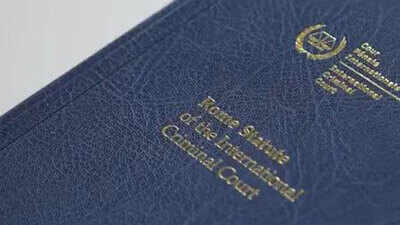
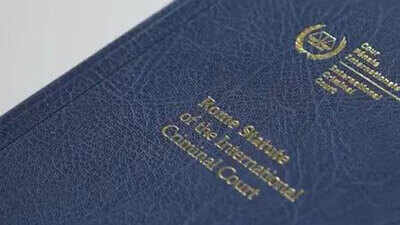
The ICC is a permanent international tribunal headquartered in The Hague, Netherlands, established under the Rome Statute, a treaty adopted in 1998 that entered into force on July 1, 2002.Unlike the International Court of Justice (ICJ), which settles legal disputes between sovereign states, the ICC prosecutes individuals accused of the gravest crimes of international concern: genocide, crimes against humanity, war crimes and the crime of aggression.The Court functions on the principle of complementarity, meaning it intervenes only when national courts are unwilling or genuinely unable to investigate or prosecute such crimes.Although the ICC cooperates closely with the United Nations, it is not a UN organ. Major powers such as the United States, China and Russia are not parties to the Rome Statute. India has also chosen not to join the ICC, citing concerns relating to national sovereignty, certain provisions of the Rome Statute and the role of the UN Security Council in referring cases to the Court.
Why did Venezuela decide to leave?
Venezuela’s Foreign Minister Félix Plasencia announced in July 2026 that the country had formally notified the United Nations of its “firm and irrevocable decision” to withdraw from the ICC, acting on the instructions of interim President Delcy Rodríguez.According to Venezuela, the Court has displayed a disproportionate focus on countries of the Global South, particularly African and Latin American nations, raising concerns over geographical and political bias.The decision also comes amid an ongoing ICC investigation into alleged crimes against humanity committed during the government’s crackdown on anti-government protests following the 2017 unrest. Investigators are examining allegations including arbitrary detention, torture and other human rights violations.In December 2025, Venezuela’s National Assembly voted to repeal the domestic legislation that had incorporated the Rome Statute into national law after the ICC closed its liaison office in Caracas, citing insufficient cooperation from the then-Maduro government.
What happens now?
Under Article 127 of the Rome Statute, a state’s withdrawal takes effect one year after the UN Secretary-General receives formal notification.However, withdrawal does not affect obligations arising from investigations or proceedings that began before the withdrawal became effective. Consequently, the ICC’s ongoing investigation into alleged crimes against humanity in Venezuela is expected to continue despite the country’s decision to leave the Court.
Relevance for UPSC aspirants
The Venezuela case highlights the continuing debate over the effectiveness and legitimacy of international criminal justice institutions.For GS-II and International Relations, aspirants can use this example while writing answers on global governance, reform of international institutions, international humanitarian law, the Global South and the tension between state sovereignty and international accountability.It is also important to distinguish between the ICC, which prosecutes individuals for international crimes, and the ICJ, which adjudicates disputes between states. Such conceptual differences are frequently tested in UPSC Preliminary Examination questions.
Prelims Fact Box
| Fact | Detail |
|---|---|
| Established by | Rome Statute |
| Rome Statute adopted | 1998 |
| ICC became operational | July 1, 2002 |
| Headquarters | The Hague, Netherlands |
| Tries | Individuals |
| Crimes covered | Genocide, crimes against humanity, war crimes, crime of aggression |
| Principle | Complementarity |
| UN organ? | No |
| Withdrawal clause | Article 127 of the Rome Statute |
Mains Practice Question
“The International Criminal Court represents an important step towards ensuring accountability for grave international crimes. However, concerns regarding state sovereignty, selective justice and enforcement continue to limit its effectiveness.” Discuss in the light of recent developments involving Venezuela.
Five key terms to remember
- International Criminal Court (ICC): A permanent international tribunal established under the Rome Statute to prosecute individuals accused of genocide, crimes against humanity, war crimes and the crime of aggression.
- Rome Statute: The founding treaty of the ICC, adopted in 1998 and in force since 2002.
- Complementarity: The principle that the ICC acts only when national courts are unwilling or unable to genuinely prosecute international crimes.
- Crimes against Humanity: Widespread or systematic attacks directed against civilians, including murder, torture, enforced disappearance and persecution.
- Article 127: The provision of the Rome Statute governing the withdrawal of a State Party from the ICC.
MCQs with Answers
1. The International Criminal Court (ICC) was established under which treaty?(a) Geneva Convention(b) Rome Statute(c) Vienna Convention on the Law of Treaties(d) UN CharterAnswer: (b)2. The headquarters of the International Criminal Court is located in:(a) Geneva(b) New York(c) The Hague(d) ViennaAnswer: (c)3. Which of the following is NOT tried by the ICC?(a) Genocide(b) War crimes(c) Crimes against humanity(d) Territorial disputes between statesAnswer: (d)4. The principle of complementarity means that the ICC:(a) Replaces all national courts.(b) Acts only when national judicial systems are unwilling or unable to genuinely prosecute.(c) Functions as a UN judicial organ.(d) Exercises universal jurisdiction over every country.Answer: (b)5. Under the Rome Statute, a country’s withdrawal from the ICC generally takes effect after:(a) Six months(b) One year(c) Two years(d) Immediately upon notificationAnswer: (b)
FAQs
Q1. What is the difference between the ICC and the ICJ?The ICC prosecutes individuals accused of serious international crimes, whereas the ICJ settles legal disputes between sovereign states and provides advisory opinions to UN organs and specialised agencies.Q2. Is the ICC part of the United Nations?No. The ICC is an independent international court established under the Rome Statute, although it maintains a cooperation agreement with the United Nations.Q3. Why has India not joined the ICC?India has expressed concerns regarding certain provisions of the Rome Statute, including issues relating to national sovereignty, jurisdiction and the role of the UN Security Council in referring cases to the Court.Q4. Can the ICC continue investigating a country after it withdraws?Yes. Under Article 127 of the Rome Statute, withdrawal does not affect investigations or proceedings that began before the withdrawal became effective.Q5. Why is the ICC important for UPSC?The ICC is relevant to topics such as international organisations, international law, global governance, human rights, the United Nations system and India’s foreign policy, making it an important topic for both Prelims and Mains.