





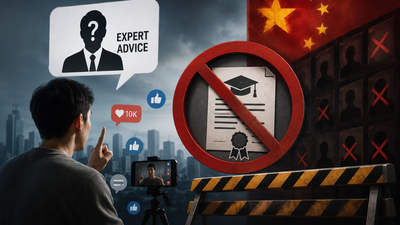
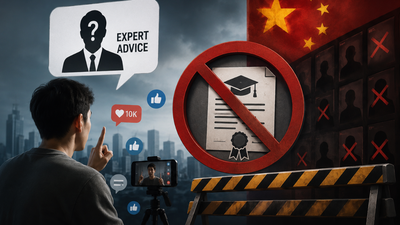
Creating and running a social media page has become easier than ever, with platforms allowing users to manage multiple accounts across different genres and audiences.However, influencers in China could now face tighter regulations over the kind of content they post online.The Cyberspace Administration of China, in October 2025, introduced new rules for the country’s creator economy.Under the law, content creators discussing certain regulated subjects like health, law must possess professional qualifications such as a degree, licence, or certification.Mandatory verification and AI disclosure Chinese platforms including Douyin, Bilibili, and Weibo are now required to verify creators’ credentials.This law directs Influencers to also properly cite any studies or data used in their videos and clearly label AI-generated material featured in their content. Proof of expertise may include a professional licence, university degree, or other recognised certification.According to Dexerto, creators speaking on regulated or serious topics without verified qualifications could face fines of up to 100,000 yuan, roughly $14,000.Technology analyst Tim Bajarin raised concern over AI while writing in Forbes. “These fakes are no longer just still pictures. AI-generated faces today blink naturally. They breathe like real people. They talk using voices cloned from only a few seconds of sound. They show up in video calls. They drop voicemails that sound legit. They pop into news stories that spread worldwide. Fact-checkers do not even get a chance to catch them in time,” he mentioned.He added that whether the policy works or not, it is still a turning point. “For the first time on a large scale, professional codes of practice are being brought to the influencer economy.”While some supporters like Tim argue the law promotes higher standards for information on significant issues, critics worry that stricter limits on who can speak about certain topics may restrict public debate.