




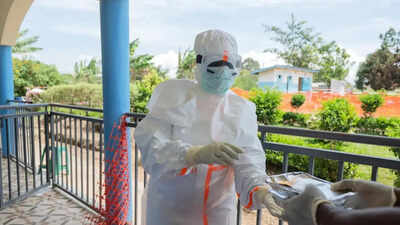
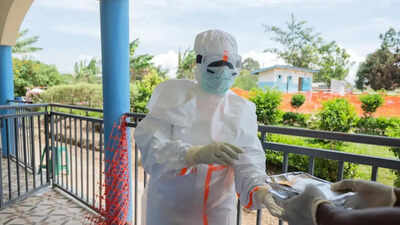
NEW DELHI: The union ministry of health and family welfare on Tuesday issued a precautionary advisory for travellers arriving from Ebola-affected countries. The ministry said no cases of Ebola disease have been reported in India so far.In a statement, the ministry urged people who have travelled from or transited through an Ebola-affected country within the past 21 days to remain alert for symptoms associated with the disease.The ministry said individuals experiencing symptoms such as fever, headache, muscle pain, vomiting, diarrhoea or unexplained bleeding should immediately isolate themselves and inform local health authorities.“As on 2nd June, 2026, there are no cases of Ebola disease reported in the country,” the ministry said.The advisory comes amid ongoing Ebola outbreaks in parts of Africa, prompting health authorities to strengthen surveillance and preparedness measures.Also read: ‘We thank India’: Africa CDC on emergency Ebola aid as Congo battles Ebola outbreak
Issues helpline numberThe ministry also urged the public to contact its 24×7 health helpline (1075) for information, guidance and assistance related to the disease.“However, if you have travelled from or transited through an Ebola-affected country in the last 21 days and develop symptoms such as fever, headache, muscle pain, vomiting, diarrhoea, or unexplained bleeding, etc., isolate yourself and inform local health authorities. Call MoHFW’s 24×7 Health Helpline: 1075 for information, guidance and assistance.”What are the symptoms?Health officials emphasised that early reporting of symptoms is critical for timely medical intervention and can help prevent the spread of infection.“Early reporting can save lives and help prevent the spread of disease,” the ministry said.The World Health Organisation (WHO) says that the symptoms of Ebola disease can be sudden and include fever, fatigue, malaise, muscle pain, headache and sore throat.These are followed by vomiting, diarrhoea, abdominal pain rash, and symptoms of impaired kidney and liver functions. It is important for health and care workers to be on the lookout for these symptoms.“Despite a perception that bleeding is a common symptom, this is less frequent and can occur later in the disease.”Also read: Five Ebola patients recover in Congo as WHO opens new treatment centre