







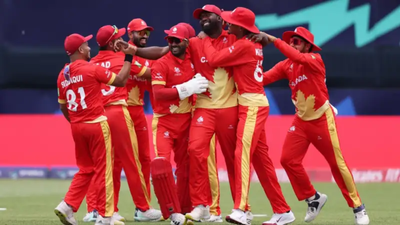
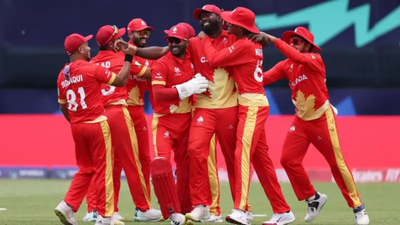
SETBACK FOR CRICKET CANADA (Image: X)
International Cricket Council has suspended funding to Cricket Canada for the next six months over governance-related concerns, according to a report by ESPNcricinfo. The move deals a significant financial blow to the Associate Member board, which depends heavily on ICC funding for its operations.Despite the suspension, Cricket Canada’s ongoing cricket activities, including national team programmes and high-performance operations, are not expected to be immediately affected.Financial records for the year ending 2024 showed that ICC distributions formed nearly 63 per cent of Cricket Canada’s total revenue. Out of the organisation’s CAD 5.7 million income, approximately CAD 3.6 million came directly from ICC support.While the ICC has not publicly detailed the exact governance concerns behind the decision, recent reports from Canadian investigative programme Fifth Estate alleged several breaches related to governance standards, financial oversight and administrative functioning within the board.The suspension comes during a turbulent phase for Cricket Canada, which has been surrounded by multiple controversies over the past year. One of the major ongoing investigations involves Canada’s match against New Zealand national cricket team during the recent ICC Men’s T20 World Cup, which is currently being examined by the ICC’s Anti-Corruption Unit (ACU).In another controversy, former Canada head coach Khurram Chohan allegedly claimed in a leaked phone recording that former senior board officials pressured him to select specific players for the national side. The recording reportedly also contained allegations connected to attempts at match corruption.Last month, in a statement to ESPNcricinfo on the corruption investigation, Andrew Ephgrave, the ICC’s interim anti-integrity unit head had said: “Governance matters in relation to ICC Members are considered by the ICC, where they fall under its jurisdiction, in accordance with the ICC’s standard constitutional processes.”The ICC’s decision came shortly after Cricket Canada held its annual general meeting on May 9 and 10, where the board announced several reforms as part of what it described as an “ongoing governance transformation initiative.” A new nine-member board of directors was also elected during the meeting.