




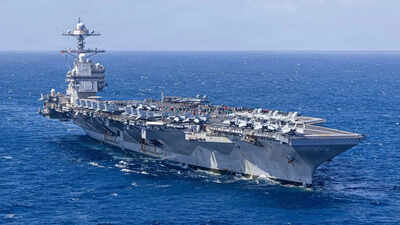
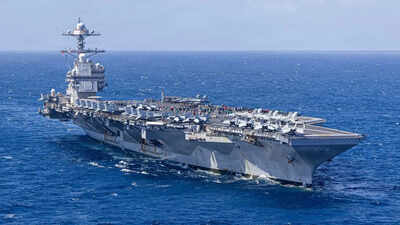
The USS Gerald R Ford is set to depart the Middle East in the coming days, reducing American military presence in the region as tensions with Iran persist and diplomatic efforts remain stalled, according to reports by The Washington Post and CBS News.The departure of the carrier strike group is expected to provide relief to nearly 4,500 sailors after a prolonged deployment of over 10 months, but it will also cut down significant US naval firepower in the region, where three aircraft carriers had been operating.The Ford, currently deployed in the Red Sea, is one of three US carriers positioned amid hostilities with Iran, alongside the USS George H.W. Bush and the USS Abraham Lincoln. The latter two are operating in the Arabian Sea, enforcing a US blockade targeting vessels transporting oil or goods from Iranian ports, the Washington Post reported.According to officials cited by the Washington Post, the Ford is likely to return to its home base in Virginia around mid-May. Its withdrawal comes at a time when US President Donald Trump has refused to lift the blockade near the Strait of Hormuz and is weighing further military options.As of Wednesday, the Ford had been deployed for 309 days, marking the longest deployment for any modern US aircraft carrier, a duration that has taken a toll on both the vessel and its crew. The ship has undergone repairs following a laundry room fire that injured sailors and has faced repeated technical issues, including problems with onboard sanitation systems, the Washington Post reported. It is expected to undergo extensive maintenance once it returns to port.At a congressional hearing, lawmakers raised concerns over the extended deployment. “I worry about the USS Ford,” said Rep. Gil Cisneros. “What trade-offs are we making?”US Defence Secretary Pete Hegseth defended the decision, stating, “A tough decision-making process led to the extension,” adding it was made “in consultation with the Navy.”Typical aircraft carrier deployments last six to seven months to maintain operational readiness cycles, making the Ford’s extended mission notable.The carrier was initially deployed from Naval Station Norfolk in June for operations in Europe before being redirected to support US actions in the Caribbean, including enforcement measures against Venezuela. Its deployment was later extended and shifted to the Middle East to support US operations linked to the Iran conflict.The US Navy has played a central role in enforcing the blockade, deploying more than a dozen warships across theatres. In the Arabian Sea, US forces have reportedly intercepted dozens of vessels suspected of carrying Iranian oil or cargo. The Washington Post reported that 39 vessels had been turned back, boarded, or seized, including the inspection of the M/V Blue Star earlier this week.The blockade remains the primary tool of pressure by Washington as it seeks to compel Tehran to reopen the Strait of Hormuz and curb its nuclear ambitions, even as talks between the two sides show little progress.