







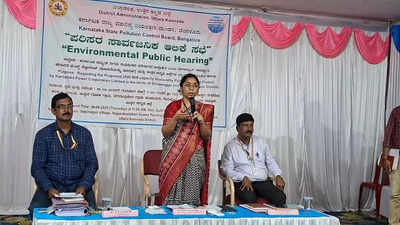
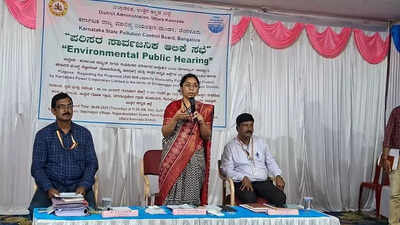
Karwar: The environmental public hearing for the Sharavathi Pumped Storage project witnessed strong resistance from locals and environmentalists, with not a single voice in favor of the proposal during the proceedings. The hearing, conducted by the Karnataka State Pollution Control Board (KSPCB) with support from the Uttara Kannada district administration, was held at Gerusoppa in Honnavar on Thursday under tight police security.The session was presided over by Uttara Kannada deputy commissioner Lakshmipriya N, with senior KSPCB officials in attendance. Despite the lack of vocal support during the hearing, officials revealed that the district administration received 4,043 written submissions — some of which may include backing for the project. It is believed that certain supporters may have chosen to avoid speaking publicly due to fear of backlash.A similar hearing was earlier held at Kargil in Shivamogga district, as the proposed project spans both Shivamogga and Uttara Kannada districts.The state govt has positioned the pumped storage project as a modern energy solution aimed at storing surplus power from renewable sources like solar and wind. This stored energy can then be utilised during periods of high demand, ensuring a steady power supply for industries and rural areas alike. Proponents argue that the project would reduce dependence on fossil fuels, and generate employment for the locals. However, the majority of speakers at the hearing strongly criticised the project for its potential ecological consequences. Concerns were raised over the large-scale deforestation it would necessitate in the Western Ghats, a Unesco-recognised biodiversity hotspot. Environmentalists warned of irreversible damage to rare and endangered flora and fauna, and the displacement of local communities that depend on the forests for their livelihoods.They also pointed to the likely disruption of the Sharavathi River’s natural flow, which could jeopardise downstream agriculture activities and drinking water supplies. They emphasised the threat to aquatic life, including native fish species, and cautioned that construction of tunnels, dams, and other infrastructure could trigger landslides, earthquakes, and soil erosion. Further, the deforestation associated with the project could contribute to rising carbon emissions, countering its claim of being a green initiative, they argued.