







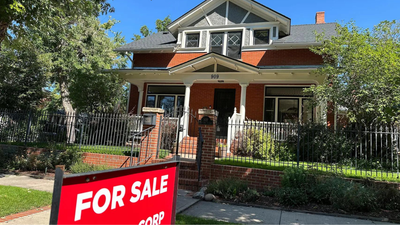
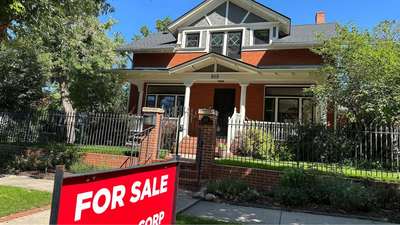
The average long-term US mortgage rate climbed this week to its highest level in nearly nine months, raising borrowing costs for homebuyers during what is traditionally the busiest season for the housing market, AP reported.The average rate on a 30-year fixed mortgage rose to 6.51 per cent from 6.36 per cent last week, according to mortgage buyer Freddie Mac. Despite the increase, the rate remains below the 6.86 per cent level recorded a year ago.Mortgage rates have largely moved higher since the Iran conflict began, with the closure of the Strait of Hormuz creating volatility in energy markets and pushing crude oil prices upward, a factor that can influence inflation expectations.Mortgage rates are generally affected by multiple factors, including Federal Reserve policy decisions and bond-market expectations around inflation and economic growth. They often track movements in the 10-year Treasury yield, which lenders use as a benchmark for pricing home loans.Concerns over higher oil prices and growing government debt levels have also contributed to higher long-term bond yields.The yield on the US 10-year Treasury note stood at 4.6 per cent in midday trading on Thursday, compared with 4.47 per cent a week earlier and 3.97 per cent in late February before the conflict began.Borrowing costs for 15-year fixed-rate mortgages, often used by homeowners refinancing their loans, also moved higher. The average rate increased to 5.85 per cent from 5.71 per cent last week. A year ago, the rate stood at 6.01 per cent.Higher mortgage rates can significantly raise monthly costs for borrowers and reduce home affordability.As recently as late February, the average rate on a 30-year mortgage had fallen below 6 per cent for the first time since late 2022. It has not returned below that level and is now at its highest point since August 28, when it stood at 6.56 per cent.The recent rise in borrowing costs has weighed on housing activity.Sales of previously occupied homes were largely unchanged last month after declining on a year-on-year basis during the first three months of the year, extending a broader housing slowdown that began in 2022 as mortgage rates moved up from pandemic-era lows.Mortgage applications, including loans for home purchases and refinancing, fell 2.3 per cent last week to their lowest level in five weeks, according to the Mortgage Bankers Association.The increase in borrowing costs has also led more buyers to turn towards adjustable-rate mortgages (ARMs), which generally offer lower initial rates than traditional 30-year fixed loans. Such products accounted for nearly 10 per cent of mortgage applications last week, the highest level since October.At the same time, prospective buyers continuing with purchases are seeing some favourable trends, including higher housing inventory and lower listing prices in several metro areas, particularly in parts of the South and Midwest.“The spring season still offers real opportunity, though each uptick in rates narrows the pool of buyers who can make the numbers work,” said Anthony Smith, senior economist at Realtor.com.