







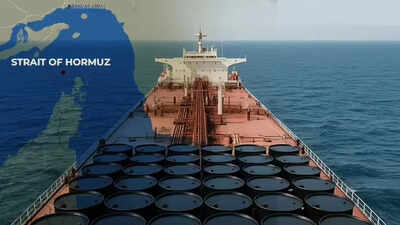
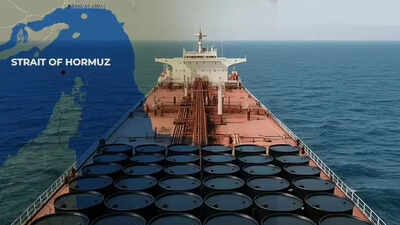
NEW DELHI: India is preparing to send ships through the strategically vital Strait of Hormuz to secure crude oil and energy cargoes from Middle Eastern suppliers as disruptions caused by the Iran war continue to strain global energy markets, according to a Bloomberg report citing people familiar with the matter.The report said the plans have been finalised and Indian vessels will begin attempting to cross the narrow waterway once the government gives final approval. The people cited in the report, however, did not specify the timing of the shipments or the volume of cargoes expected to move through the route.Strait of Hormuz, one of the world’s most critical maritime chokepoints, handles nearly one-fifth of global oil flows. Shipping activity through the passage has slowed dramatically since the Iran conflict erupted in late February, triggering supply concerns and pushing up crude prices globally.India, the world’s third-largest crude oil importer, remains heavily dependent on energy supplies from the Gulf region despite increasing purchases from Russia and other suppliers in recent years.According to the report, state-owned Shipping Corporation of India is prepared to resume operations in the Persian Gulf once it receives clearance from the Indian Navy and commercial orders from domestic oil refiners.However, uncertainty remains over whether Iran or US both of which are separately enforcing restrictions and military blockades in and around the Strait have formally agreed to allow Indian ships safe passage. This development comes days after external affairs minister S Jaishankar met Iranian foreign minister Abbas Araghchi in New Delhi on the sidelines of the BRICS summit.The two leaders discussed the ongoing West Asia conflict and its implications for maritime trade and energy security, including the situation in the Hormuz.Following the meeting, Araghchi said Iran remained committed to ensuring safe commercial movement through the waterway. “Iran will always carry out ‘historical duty as protector of security in Hormuz’,” the Iranian minister said.“Iran is a reliable partner of all friendly nations, who can rely on the safety of commerce,” he added, seeking to reassure countries like India concerned about disruptions to oil supplies.“We have allowed a number of Indian vessels to pass. The safe passage of all vessels is our policy and in our interest. At the same time, we have the blockade by the US and insecurity in the region because of their aggression,” he added.Iranian officials had earlier indicated that Tehran would work with “friendly countries” including India to facilitate commercial movement through Hormuz despite the ongoing tensions.As concerns over shipping security rise, India has significantly expanded its naval presence in the region. According to Bloomberg, the Indian Navy has doubled the number of warships deployed in nearby waters and intensified aerial surveillance operations to monitor developments around the Strait of Hormuz.Indian naval vessels are also escorting Indian-flagged commercial ships and vessels carrying cargo bound for India after they safely emerge from the strait.Although some non-Iranian oil shipments have continued to move through Hormuz since the conflict began, cargo flows remain far below normal levels and transit conditions continue to remain uncertain.To support Indian shipping companies operating in high-risk waters, the government has also reportedly introduced a marine insurance initiative aimed at ensuring uninterrupted insurance coverage for ships and cargoes travelling through conflict-hit maritime zones.India imports nearly 90 per cent of its crude oil requirements and around half of its natural gas needs, making it particularly vulnerable to supply disruptions in the Gulf region.While India has sharply increased crude imports from Russia after Western sanctions on Moscow, Russian supplies also carry geopolitical risks because of potential US sanctions.The report noted that the Trump administration recently issued a waiver allowing the sale of Russian crude oil and petroleum products already loaded onto tankers.Amid global energy supply disruption, earlier Prime Minister Narendra Modi also urged citizens to conserve fuel and foreign exchange as India navigates growing energy and economic challenges linked to the conflict in West Asia.The prime minister urged people to use public transport and revive work from home to reduce dependence on petrol and diesel, which largely come from imported crude and conserve foreign exchange by avoiding overseas weddings and vacations as well as unnecessary gold purchases.