







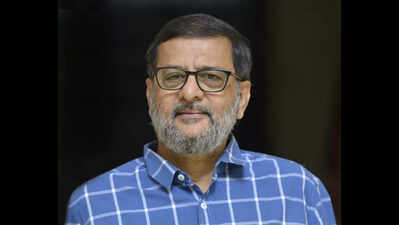
Kannada novelist-playwright Vivek Shanbhag is launching a pan-Indian translation initiative, Hyphen, to support translations from regional languages into English and create an ecosystem that will boost this process.Bengaluru-based Shanbhag, who found readership beyond Kannada with English translations of his Ghachar Ghochar and Sakina’s Kiss, has founded Bahuvachana Trust that will launch a literary journal in English, a publication house dedicated to translations from regional languages to English and a digital platform.He tells Sarju Kaul that the main aim is to spark curiosity and interest in writing from Indian languages. Excerpts: Q: Translations of fiction in Indian languages to English are rare despite recent international triumphs of ‘Tomb of Sand’ by Geetanjali Shree and ‘Heart Lamp’ by Banu Mushtaq. What inspired you to launch this initiative?A: Awards may spark curiosity and hype around an author or a book, but readers’ hunger for Indian literature can truly be satisfied only when quality translations are available in abundance. As a reader, I long to encounter works from across all Indian languages, and it is this collective longing that inspired Hyphen.Just as only a few writers can earn a living solely from their writing, the same holds true for translators. Ensuring fair compensation for translators is not an easy challenge to solve, since it is tied to book sales.Q: Will this initiative focus on translations only into English?A: Yes, translations from Indian languages into English.Q: How much work do our govts need to put in to help promote regional literature, especially translations?A: The literature in Indian languages is so vast and rich that any support or promotion feels inadequate. Govt organisations prioritise representation over quality. In the process, many significant works are overlooked. Selection is often filtered through markers such as major awards, which means that translations largely feature senior writers. New voices deserve equal attention, and Hyphen hopes to address this gap. In Karnataka, unfortunately, the position of the Sahitya Academy chair has been reduced to a political appointment.Q: How does the initiative plan to change low interest in translations from regional languages to English and to other Indian languages?A: Making this diverse wealth accessible to readers is the essential first step. Once a book is available in English, it can generate demand for direct translations into other languages. These goals cannot be achieved overnight; they require sustained energy, commitment, and the ability to endure the long journey ahead.Q: One of the biggest drawbacks to developing a robust reading habit with focus on Indian literature is the lack of public libraries in India and focus on generic fiction in bookshops. How will your initiative tackle this?A: The Hyphen Digital Platform will feature a curated online bookstore dedicated to translated works. While the economics of a physical bookstore can be limiting, an online platform, driven by a single clear focus, has the flexibility to make a real difference and become a powerful tool.Q: How will the initiative help in capacity building for translators, especially given that there is a lack of academic courses in our universities?A: Translation is not merely an academic exercise, it’s a creative process. There was a time when many of our finest creative writers were also academicians, but that has changed now. Translation, too, has moved beyond academia. We can see evidence of this shift all around us.Q: Have you estimated the amount of funding required and how will you raise it?A: Hyphen is funded by a consortium of philanthropists.Q: Your books were translated into English. How has your experience informed your wider view of translations?A: English is a powerful, flexible language, yet translating between Indian languages differs from translating into English. Cultural nuances that pass easily between Indian languages often resist direct transfer, making English prose sometimes feel blunt. Linguistic structure adds another challenge: in many Indian languages, verbs come at the end of a sentence, shaping rhythm and suspense, whereas their earlier placement in English alters the flow and reader experience. Q: How will your experience in editing a journal, Deshakaala, and translating literature from other languages to Kannada help you run different aspects of this initiative?A: I’ll draw deeply from this experience, which revealed how much effort it takes to uncover the wealth hidden in our languages. Indian literature is often called a “goldmine”. One does not find gold coins lying around. What lies there is raw ore, and extracting even a gram of gold requires processing a ton of it. This is the truest metaphor for the labour and dedication translation demands.