







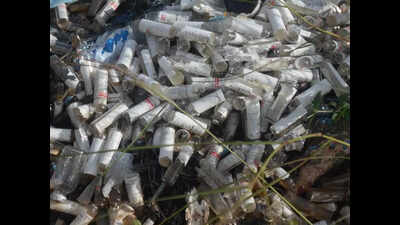
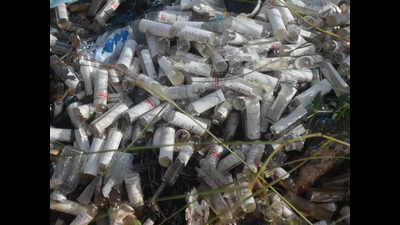
Bengaluru: The Comptroller and Auditor General (CAG) has criticised the Karnataka State Pollution Control Board (KSPCB) for failing to exercise adequate regulatory control over the generation, treatment, and disposal of biomedical waste (BMW) in the state.According to the Biomedical Waste Management Rules, the KSPCB is mandated to maintain a comprehensive inventory of occupiers and healthcare facilities (HCFs), including accurate data on BMW generation, treatment, and disposal, and submit the same to the Central Pollution Control Board (CPCB). However, the audit revealed that the board has not maintained such an inventory.In the absence of reliable records, the audit could not determine whether KSPCB ensured that the entire quantity of BMW generated in Karnataka was being scientifically treated and disposed of at authorised facilities. However, the audit scrutiny found that the gap between biomedical waste generation and treatment reduced over the years—from 43,653 kilograms per day in 2020 to 8,423 kilograms per day in 2022. While this indicates an improving trend, CAG cautioned that the untreated portion still poses a serious risk to the environment. The possibility of unscientific disposal, including open dumping or burning of biomedical waste, cannot be ruled out, the audit report observed.In the absence of recorded data by KSPCB, the CAG report relied on the data furnished by healthcare facilities that obtained consent from KSPCB. The report highlighted widespread non-compliance in the submission of annual reports by healthcare facilities. On average, about 89% of HCFs failed to provide the required information every year. In 2022 alone, 43,030 units out of 48,431 healthcare facilities did not furnish annual reports on waste generation and disposal.The bulk of these defaulters were non-bedded facilities such as diagnostic laboratories, small clinics, and dental practices. While common biomedical waste treatment facilities typically handle waste from large hospitals, non-bedded facilities also generate significant quantities of hazardous waste, including contaminated syringes, testing kits, and pathological samples. Improper handling and disposal of such waste can have severe consequences for public health and environment.CAG recommended that the submission of annual reports should be made mandatory through the KSPCB’s online portal and the Extended Green Node (XGN) software. This, it said, would improve compliance, enhance accountability, and help the regulator maintain a reliable inventory. Experts have long warned that weak enforcement in biomedical waste management can undermine the progress made in public health and sanitation. The CAG’s findings highlight the urgent need for stricter monitoring, transparent reporting, and stronger action against defaulting facilities.