


“Look mommy what I made!” A child often runs towards a parent with a sheet of paper covered in sometimes beautiful and sometimes weird but always colourful drawings. This is a familiar scene in almost every household with kids. Sometimes, the child may return minutes later with another drawing, asking the parent to look at it again. Even after receiving a compliment, “wow, beautiful”, they may continue seeking attention. The next time they would want to explain every little detail and ask if their mother or father likes it.While parents may see this as a child’s excitement about their artwork, developmental psychology suggests that these small interactions can have a deeper significance on the kid’s mental growth.
8 Oct 2026 | 14:25
What is the hardest part of raising a toddler that nobody prepared you for?
More than just a normal drawingFor young kids, showing a drawing is not just about receiving praise or attention, it is also their way of communicating. It can also be an attempt to share an experience or share an idea.The kid’s question may sound like “Do you like my picture?”, but the need could be to know whether their mother or father is interested in what they have created and what they want to say. Even before they develop a proper vocab, drawing is one of the ways through which they explore and communicate their feelings as well as understandings of the world.A 2018 research paper, Signs, symbols and schemas: Understanding meaning in a child’s drawings, by researchers Jo Deguara and Cathy Nutbrown, published in the International Journal of Early Years Education, explored how children use drawings to communicate meaning.The study suggested that drawings can carry certain signs or symbols or personal narratives that reflect what a child is thinking about. However, the meaning cannot always be understood by just looking at the picture. Talking to the child about what they have drawn can offer a better understanding of their intentions and ideas.Through their drawings, kids invite their parents into their little world. They might want to explain why they have drawn a particular person, or a flower or a house or a fav toy.The constant need for attention
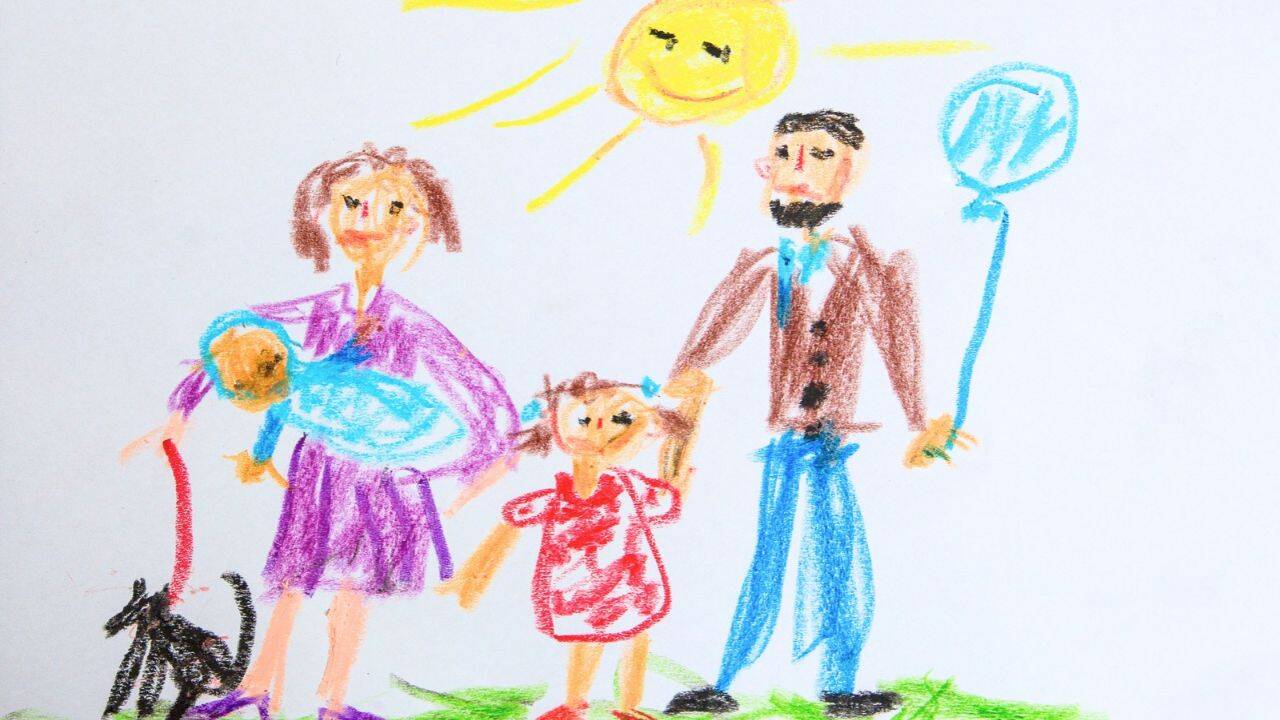
kids drawing (Canva)
Children often look towards their parents for reactions when they accomplish something. From taking their first step to saying their first word and completing a puzzle or creating a drawing. These interactions can become opportunities for connection or attention.When a parent pauses, looks at the picture and listens to the child’s explanation, the child receives more than a compliment. The response communicates that their ideas and efforts are worth someone’s time and attention.This is particularly relevant during early childhood, when children are developing their sense of competence and confidence. Positive interactions with caregivers can help them feel supported as they explore new activities and learn new skills.A research paper published in 2024 in the journal Cognitive Development, titled Developing drawing skill: Exploring the role of parental support and cultural learning, examined 68 parent-child pairs involving children aged 3 to 6.9 years.The researchers explored how parental involvement was associated with children’s drawing abilities. Although overall parental support did not have a significant effect on drawing skills, a component called scaffolding, which involves guidance and support during the activity, was positively associated with improved drawing skills.Why children may keep asking parents to look at the same drawingHave you ever noticed a child showing the same picture to their mother or father several times, even after receiving a positive response? This behaviour may have less to do with the drawing itself and more to do with the interaction it creates. For a young child, a parent’s attention can make an ordinary activity feel special. They may want the parent to look at a particular detail, listen to the story behind the picture or simply share their excitement.What should parents do when a child shows them a drawing?
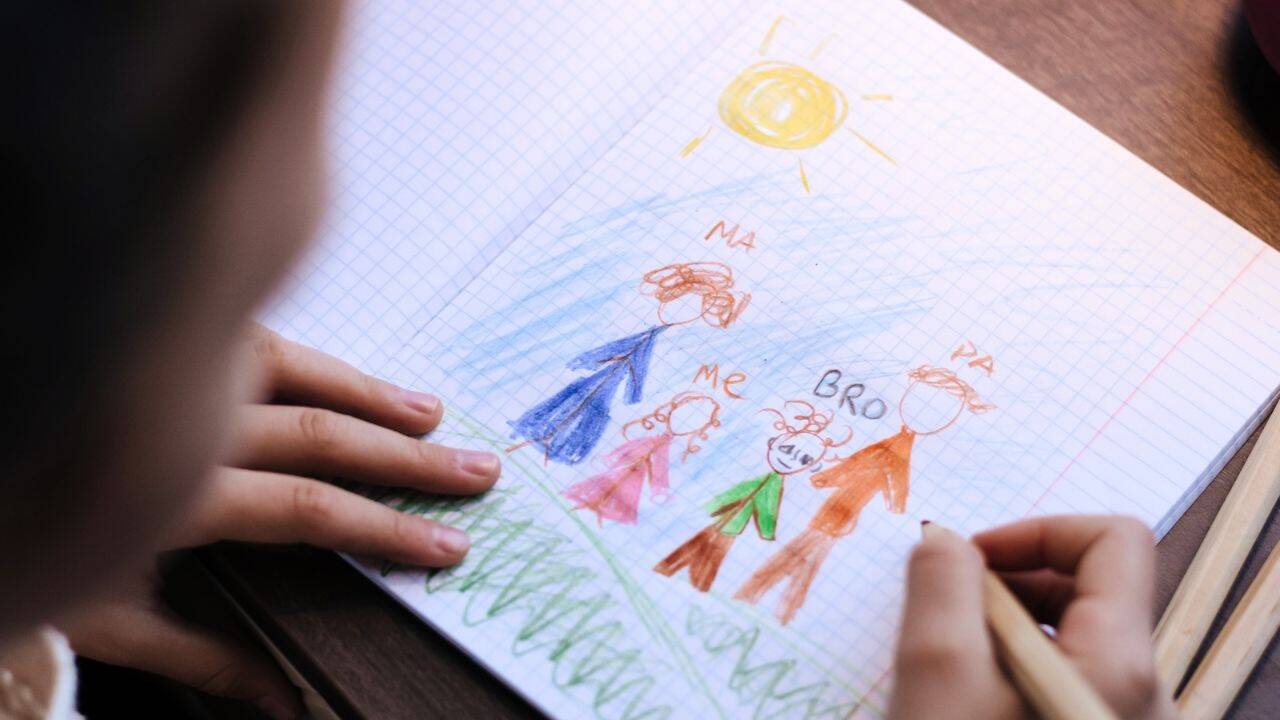
Drawing same thing (Canva)
As a parent, don’t just say “very nice” or “wow”. Parents can try asking questions that encourage them to explain their work. They can instead say:
- “Can you tell me what is happening in this picture?”
- “Who is this person?”
- “Why did you choose these colours?”
- “Would you like to tell me a story about this picture?”
Such questions give children an opportunity to express their thoughts and make them feel that their ideas are being heard.Also, parents should also avoid correcting or comparing their child’s artwork with that of other children. A drawing does not have to look realistic or aesthetically pleasing to be meaningful to its creator.Sometimes, the most meaningful response to a child’s masterpiece is not “What a beautiful drawing!” but “Why don’t you tell me more about it.”