







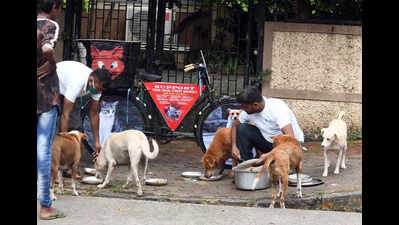
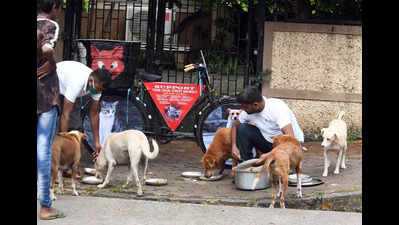
Mangaluru: Designated dog-feeding zones within the Mangaluru City Corporation (MCC) limits are expected to be finalised by the end of this month, with dog feeders across the city coming together to streamline the process in coordination with health inspectors.Suma R Nayak, honorary treasurer of Animal Care Trust, told TOI that animal feeders are working area-wise to help identify suitable feeding spots systematically. Once finalised, boards will be installed at designated locations to avoid conflict and ensure regulated feeding. MCC’s environment engineer is overseeing this project, she said.She explained that MCC has initiated work on constructing a dog shelter and identifying feeding zones, in compliance with Supreme Court directions. She noted that Mangaluru implemented Animal Birth Control (ABC) programmes for several years, but stressed that this is insufficient to address the city’s growing stray dog population.“Mangaluru needs at least two more ABC centres. The corporation is working on identifying land and finalising designs for dog shelter, and also developing a structured module for an ABC centre. Every animal entering a shelter must be sterilised and vaccinated,” she added.According to Suma, the city has around 150 active dog feeders, all of whom are now working collectively with MCC officials. A survey conducted last year across the 60 wards estimated the free-roaming dog population at 53,384, with a confidence range between 43,292 and 63,476 dogs. Of this, about 47% of the stray dogs have already been sterilised, she noted.She said “If a city has a dog population of 50,000, each ABC centre should have a defined target. Mass sterilisation and vaccination must be planned out,” she said.She further stressed that every taluk should have at least one ABC centre, and the pet sterilisation and registration should be made mandatory to prevent the inflow of abandoned pets. She also called for stronger monitoring mechanisms, suggesting that the Supreme Court seek reports once in six months from all state govts on the number of ABC centres and the number of dogs sterilised. “If this model is followed consistently for five years, over 80% of community dogs across India can be sterilised,” she said.