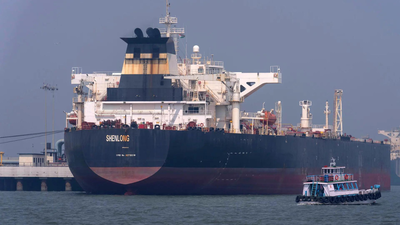







Asian shares rallied in early trade on Friday after investors reacted positively to easing geopolitical fears and a modest recovery in global risk sentiment following developments in Middle East peace efforts.MSCI’s broadest index of Asia-Pacific shares outside Japan rose 0.5%. Japan’s Nikkei 225 added 1.5%, while South Korea’s Kospi climbed 1.9%, leading regional advances. S&P 500 e-mini futures were flat after recovering earlier losses, Reuters reported. Despite this, gains were capped as traders questioned the durability of this week’s US-Iran ceasefire and remained cautious over fragile expectations surrounding Israel-Lebanon peace talks. Investors continued to monitor geopolitical risks closely, particularly after reports that ongoing strikes in Lebanon remain a key sticking point in the ceasefire framework.“The U.S.-Iran ceasefire led to a sharp recovery in Asian markets but the risk-on sentiment got tested yesterday,” said Rupal Agarwal, Asia quant strategist at Bernstein in Singapore. “We believe this could be the beginning of the end and is presenting an opportunity for investors to focus on pre-war trends and fundamentals. We recommend adding back some beaten-down names.”On Thursday, Wall Street also closed higher, with the S&P 500 rising 0.6%, as markets responded to signs of tentative diplomatic engagement in the region. However, sentiment remained fragile following renewed violence in parts of the Middle East, which has kept investors wary of sudden reversals in risk appetite.Energy markets remained sensitive to geopolitical developments, with Brent crude rising 1% to $96.83 a barrel as trading resumed in Asia. The move followed renewed security concerns after fresh tensions in the region and continued disruption in shipping flows through key routes.The Strait of Hormuz, which typically carries around one-fifth of global oil and gas shipments, remained largely restricted, with marine traffic still well below normal levels. The disruption has continued to weigh on global supply chains, reinforcing concerns over energy security.In currency markets, the US dollar index edged up 0.1% to 98.92 after data showed weekly jobless claims rose by 16,000 to 219,000, while continuing claims fell to 1.794 million, the lowest since May 2024. Inflation data also showed the core PCE price index rising 0.4% for a second straight month, indicating persistent price pressures.US Treasury yields moved slightly higher, with the 10-year note rising 0.6 basis points to 4.285%, as investors adjusted expectations around the Federal Reserve’s policy path.Fed funds futures now show traders pushing back expectations for the next 25-basis-point rate cut to 2027, with markets increasingly pricing in a prolonged period of stable interest rates.Elsewhere, risk appetite remained uneven across asset classes. In private markets, investors reportedly sought to withdraw more than 15% of assets from Carlyle’s flagship private credit fund, highlighting ongoing stress in parts of the financial sector.In cryptocurrencies, Bitcoin slipped 0.7% to $71,903.27, while Ether declined 1.0% to $2,191.81 as digital assets tracked broader caution in global markets.