






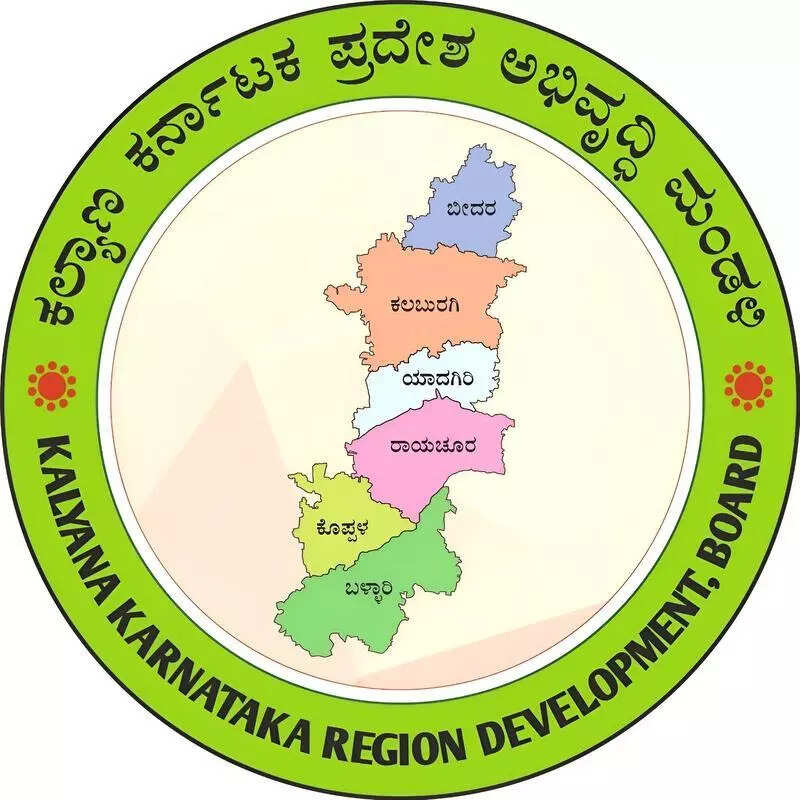
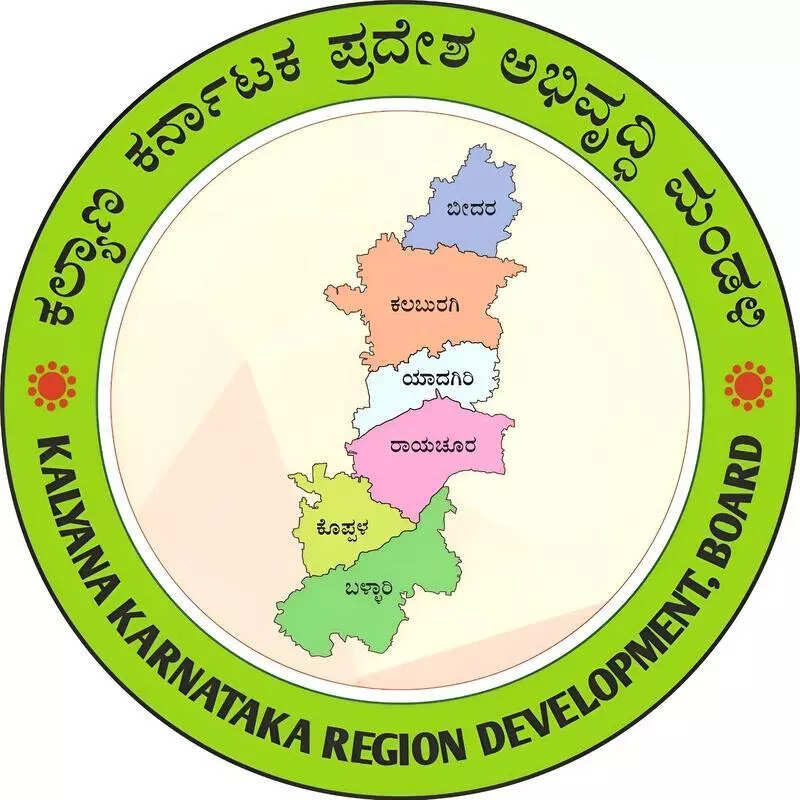
Kalaburagi/Koppal: India’s freedom came on Aug 15, 1947, but for the seven districts that now form Kalyana Karnataka, liberation came a year later — Sept 17, 1948, when Operation Polo ended the Hyderabad Nizam’s rule. Every year, Sept 17 is marked as Kalyana Karnataka Liberation Day — a reminder of both history and unfulfilled promises.Renamed Kalyana Karnataka from Hyderabad-Karnataka in 2019, the region was given special status under Article 371-J in 2013 to correct decades of neglect. A dedicated board — Kalyana Karnataka Region Development Board (KKRDB) — was formed to deliver balanced growth. Yet, 12 years on, the complaints sound eerily familiar — uneven allocation of funds, lack of opportunities, and an exodus of labourers and professionals.There’s a weight of expectation each Liberation Day. Each year, politicians arrive, and promises are made, but for many here, real liberation is still freedom to find opportunities without leaving home.At the heart of the discontent is Kalaburagi, the administrative headquarters for Koppal, Vijayanagara, Ballari, Raichur, Bidar, and Yadgir. Critics argue the board’s location has meant Kalaburagi itself gobbles up most of the resources.G Janardhana Reddy, Gangavathi MLA, alleged discrimination. “A thorough evaluation of KKRDB’s performance will reveal true colours of officials and representatives,” he said. “Even available audit reports expose irregularities,” he said, claiming that constituencies represented by non-Congress MLAs have been given fewer benefits.For activists in Koppal, the resentment runs deeper. “Earlier, we pointed at Bengaluru for Hyderabad Karnataka’s problems. Now, it seems we must point towards Kalaburagi,” said Krishna Ittangi, general secretary of the district Congress unit.SA Gafar, another activist, argued that the board has failed to transform lives at the grassroots. “If KKRDB functioned effectively, all villages in Kalyana Karnataka could have been made open defecation-free and the region’s rural landscape transformed,” he said. Instead, agricultural workers still migrate every year to cities like Bengaluru, Hyderabad, Goa, or Mumbai in search of livelihoods.The migration is not limited to daily wage earners. “Every year, more than 10,000 engineers graduate from Kalyana Karnataka districts, but most leave for jobs elsewhere,” said activist Basavaraj Sheelavantar.Education gaps add to the crisis. “Currently, there are 6,584 vacancies for govt primary and high school teachers across the seven districts, including 4,424 for primary schools. This naturally impacts student performance in SSLC and PUC examinations,” observed retired lecturer DM Badiger.Karnataka Rakshana Vedike accused the Congress govt of neglecting development projects approved at last year’s Kalaburagi cabinet meeting. Yadgir district president Naik said of 56 subjects cleared, including 46 for Kalyana Karnataka, most remain unimplemented. He cited the Rs 7,200 crore Basavasagar drinking water project for Kalaburagi and Bidar and Rs 11,770 crore earmarked for regional development as examples. Promises on Smart City works, job recruitment, tourism, health, and industry have also failed to materialise, he said. However, Ajay Singh, KKRDB chairman, defended the board’s work. “Of Rs 5,000 crore allocated this year, Rs 4,000 crore was distributed among 41 MLAs based on a development index,” he said.To address these concerns, a high-powered committee headed by economist M Govind Rao was formed to assess which taluks remain backward, more backward, and most backward using the Dr Nanjundappa Committee’s previous framework, but the panel is yet to submit the report.