





The idea of what makes a home truly comfortable and desirable has been slowly changing over the past ten years. In the past, home designs were mostly about how they looked, how big they were, and how dramatic the layouts were. But now, homeowners are thinking about how they want their homes to work in everyday life. People who live in modern homes are more and more likely to have their homes designed around their lifestyles, habits, and health. As people spend more time at home, cities get denser, and work patterns change, design preferences are changing to reflect these new realities. One big change is how homeowners think about the balance between being open and being private. For a long time, open-concept designs were the most popular in home design. People thought that big, open kitchens that flowed right into living rooms were the best example of modern living. These designs are still popular, but a lot of homeowners are starting to think about how useful they are for everyday use. At the same time, bedrooms are becoming more important in the home. People no longer think of bedrooms as just places to sleep. Instead, they are being designed more and more as private spaces where people can relax, recharge, and have quiet time away from the rest of the family. Hybrid work culture post pandemic is making people spend more and more time in their homes and this has played a role in home designs. A room that used to be just a guest room might now also be a home office. Children can also use living rooms as study spaces or temporary workstations. Because people are opting for interiors that are adjustable, designers are now adding elements that can be altered, like wall panels, sliding doors, partitions, etc. Outdoor spaces are also becoming more important, especially in cities with a lot of people. Balconies are now being looked upon as wellness sanctuaries, with more and more people utilizing this place as their fitness or workout zones. These changes show a bigger change in how people think about luxury in modern homes. Homeowners today care about more than just size and how things look. They also care about comfort, flexibility, privacy, and a sense of emotional balance. A well-designed home isn’t just about how it looks anymore; it’s also about how it makes life easier and better overall. Sandeep Jain, Director, Arkade Developers Limited, shares how home architectural designs are seeing a shift in 2026.
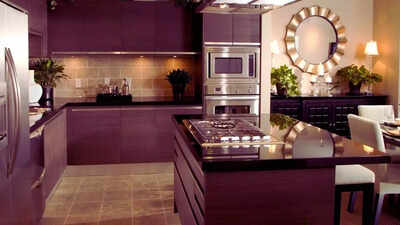
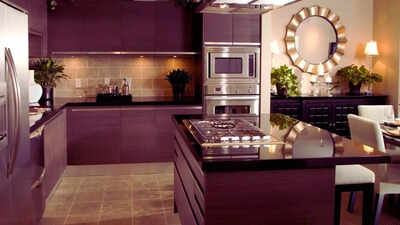
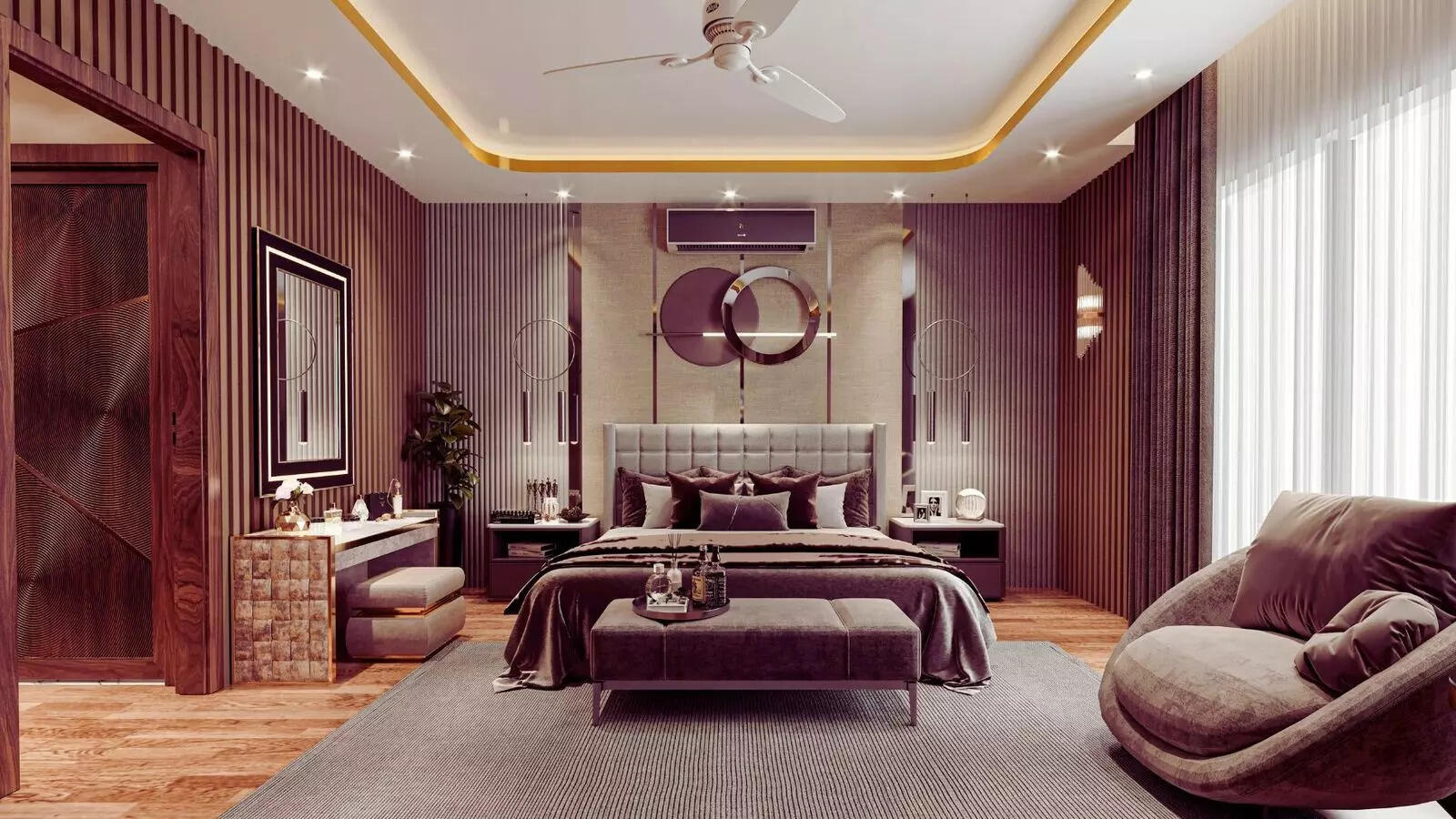
1. It’s the time of open kitchensSarika Manik, a homemaker who has recently bought a home in Noida Extension, says, “I opted for an open kitchen in my new home, For years, the kitchen for me was a place of hard work, where I used to go only when I had to ‘work.’ But now for me it is a place from where I can cook, entertain, get involved in family discussions, and also host someone for a cup of tea! Yes, and also with an aesthetically pleasing kitchen in my home, I don’t want to hide it behind a door.” The open kitchen was once the centerpiece of aspirational homes. However, today’s consumer is also demanding semi-open or closed kitchens that separate cooking from living spaces. Cooking odors, noise, and mess are very practical considerations, especially in urban homes. In high-end homes, dual kitchen designs are also becoming popular. A fashionable kitchen is designed to lead seamlessly into the living space, while a hidden utility kitchen is used for everyday cooking. 2. Bedrooms are becoming personal sanctuariesBedrooms are no longer just a place to sleep. They are becoming a personal retreat for rest and rejuvenation. Master bedrooms now come with walk-in closets, vanity areas, reading areas, and spa-like bathrooms. Soft lighting, comfortable textures, and warm materials create a soothing and enveloping ambiance. For the homeowner, the bedroom is a place of respite from the stresses of everyday life, a place where emotional well-being is as important as aesthetics.
3. Homes designed for hybrid living and workingThe world of work and hybrid lifestyles has radically changed the way homes are used. Homeowners want functional workspaces and rooms that can be adapted throughout the day. Guest rooms that function as home offices, family rooms that serve as study spaces, and quiet areas for concentrated work are no longer a nicety but a necessity. Sliding walls, glass walls, and room dividers allow spaces to expand and contract as needed. Flexibility is no longer just desirable but necessary.4. Balconies are turning into wellness zonesBalconies are no longer leftover utility spaces. They are being redesigned as lifestyle extensions of the home.Larger decks, planter-lined edges, and seating-ready layouts are becoming standard in many apartments. These spaces are designated as areas for having coffee in the morning, unwinding in the evening, or simply reflecting.In densely populated cities, private outdoor areas provide a physical connection to sunlight, fresh air, and plants, and this is a significant consideration for buyers evaluating a home.5. Zoning and privacy are making a comeback in floor plansAfter years of open-concept designs, zoning is back. Today, buyers prefer to see a strong separation between social and private areas.In many cases, living and dining areas are located near the entrance for convenience to host, while bedrooms and private areas are located deeper within the home. Hallways and buffer zones are also making a comeback as a means of promoting privacy and transition. Materials and lighting reflect this trend. In private spaces, warm textures, sound-dampening elements, and softer lighting remain prominent. In contrast, common spaces require brighter and more extensive lighting.Glass walls and sliding doors give homeowners control over the degree of privacy they wish to maintain.These shifts reflect a broader change in how buyers define luxury. Earlier, luxury meant openness, size, and visual drama. Today, privacy, adaptability, and emotional comfort have become paramount. Homes are no longer just about aesthetics or entertaining. They are becoming personal ecosystems that can facilitate work, rest, health, and privacy. Consider open kitchen designs that encourage socializing and secluded areas that provide solitude. Home design today, from social open kitchen designs to private retreats, is all about creating spaces that not only can be seen but also felt.