







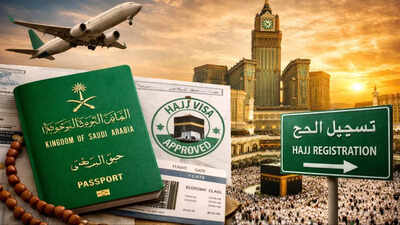
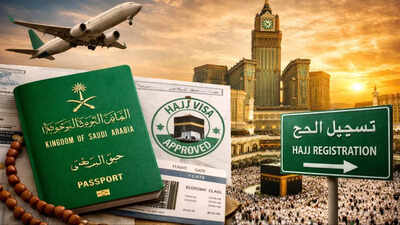
Saudi Arabia’s Ministry of Hajj and Umrah has officially begun issuing visas for the 2026 Hajj season (1447 AH), kicking off the process on February 08, 2026, months ahead of the expected pilgrimage in late May 2026. This early rollout is part of a proactive effort by the Kingdom to streamline planning, improve coordination with global Hajj affairs offices and ensure a smooth, well-organised experience for millions of pilgrims from around the world.
Why early Hajj 2026 visa issuance by Saudi Arabia matters
Traditionally, Hajj visa windows opened closer to the pilgrimage period itself. This year’s February 08 start date allows more time for pilgrims to complete necessary documentation, organise travel and healthcare requirements and coordinate with their national Hajj missions well before they depart. Officials have tied this schedule to an official operational calendar released to Hajj affairs offices worldwide, aimed at smoothing logistics on the ground months in advance.The early issuance also reflects Saudi Arabia’s broader emphasis on strategic planning and service readiness as part of the Kingdom’s Vision 2030 initiative, which emphasises enhanced pilgrimage services, improved infrastructure and the use of digital platforms like Nusuk and Masar for seamless processing and coordination.
What Hajj 2026 pilgrims should know
- When Applications Opened and Deadlines: Visa issuance officially began on February 08, 2026, enabling pilgrims to start uploading required data and
biometric details and secure permits well ahead of travel. In many countries, pilgrims also must complete biometric verification before their visas are processed; some ministries have extended biometric deadlines into mid-February to allow everyone time to comply. Officials have indicated final processing cut-offs and submission deadlines are usually set to ensure visas are fully completed by March 20, giving ample time for flight arrangements and accommodation. Pilgrim Arrivals Scheduled for April Onward: Although visas are now being issued, the actual arrival of pilgrims is expected to begin from around April 18, 2026, corresponding to 1 Dhu Al Qadah 1447 AH, well ahead of the peak Hajj days later in May. This timeline gives groups and Hajj missions sufficient time to arrange travel, transport and accommodation before the main rites begin.- Technology and Organisation: Saudi authorities are relying on digital tools like
Nusuk Masar , an online platform that centralises pilgrim data, hotel bookings, transportation and service contracts. These integrated systems help in planning batches of arrivals, assigning camps and coordinating services across multiple holy sites inMakkah and Mina.
Pilgrims are encouraged to complete their documentation and verify personal details on the platform early to avoid delays or last-minute issues.
Global Hajj 2026 registration figures and Muslim pilgrim quotas
Reports indicate that hundreds of thousands of pilgrims have already registered for Hajj 2026 via official channels. In some countries, such as India and Bangladesh, large numbers of citizens have completed registration and are progressing through the visa and health verification stages.
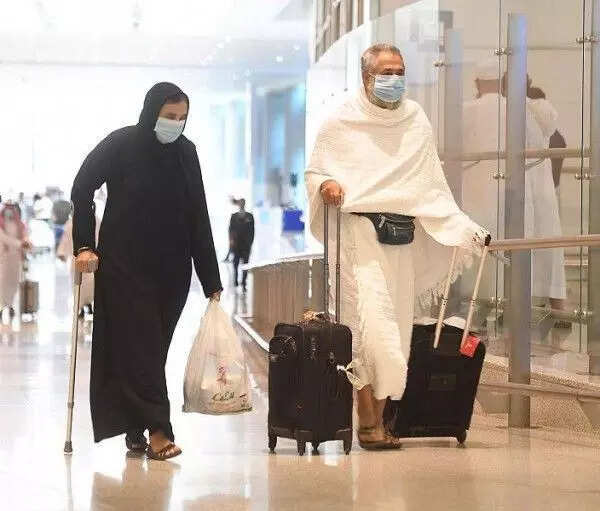
Saudi Arabia Opens Hajj 2026 Visas Early: What’s the Real Reason?
Saudi Arabia typically manages nation-specific quotas, allocating fixed numbers of pilgrims per country to maintain crowd control and safety during peak ritual days. Early visa processing helps national missions coordinate within these quotas and plan travel arrangements for large pilgrim contingents.
Health, biometric and documentation requirements for Hajj 2026
Pilgrims must meet several prerequisites before a Hajj visa is finalised:
- Biometric verification: Most countries require pilgrims to complete biometric enrollment (fingerprints, photograph) ahead of visa approval. This process is sometimes facilitated via mobile apps or at visa-support centres.
- Health checks and vaccinations: Medical examinations and required vaccinations such as meningitis and other Saudi-mandated immunisations are prerequisites for visa issuance in many countries.
- Accurate documentation: Pilgrims must ensure their passport details, package registration and travel plans align with visa documentation requirements to avoid delays.
How this year’s Hajj preparation by Saudi Arabia compares
Saudi Arabia’s early visa issuance for Hajj 2026 is part of an evolving pattern of front-loading pilgrimage logistics. Preparations, including planning calendars and global Hajj mission collaboration, began as early as mid-2025, when initial guidelines were shared with partner offices and accommodation contracts were locked in.
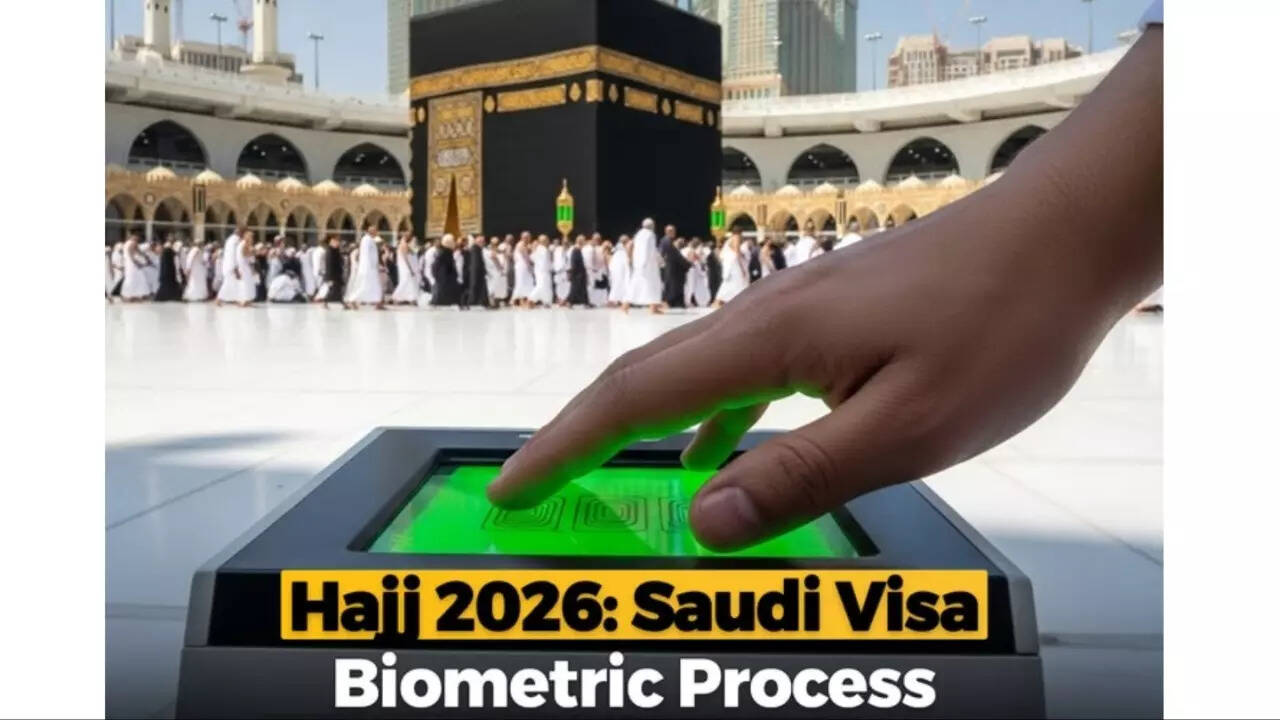
Hajj 2026 Visas Issued Early: Are Pilgrims Ready for the Changes?
This pre-emptive strategy helps reduce congestion in visa processing offices and gives pilgrims, especially those in distant regions, time to arrange flights, transport and prayer arrangements, contributing to a smoother, safer experience.
Hajj 2026 pilgrim travel and ritual timeline
While the exact dates for Hajj inspections and main rites depend on the Islamic lunar calendar (with the pilgrimage typically occurring in Dhu Al-Hijjah), officials have set visa issuance and early arrival windows to run months ahead –
- Visa issuance: February 8 to March 20, 2026 (approx.)
- First pilgrim arrivals: From April 18, 2026
- Main Hajj rituals: Late May 2026 (exact dates depend on moon sighting)
Pilgrims planning their travel should align bookings with this schedule to ensure continuity between visa approval and arrival. Launching Hajj visa issuance well ahead of time, in early February, nearly four months before pilgrims are expected to reach Saudi Arabia, marks a more strategic, organised and pilgrim-centric approach to one of the world’s largest annual religious gatherings.Saudi authorities aim to reduce administrative bottlenecks while enhancing safety, logistical coordination and service quality at holy sites. For Hajj missions and travel agents, this early window offers better planning flexibility and less pressure compared with last-minute visa rushes of previous years. For pilgrims, it means more time to make travel, health and accommodation arrangements, a crucial advantage for families and first-time participants.Saudi Arabia’s announcement that Hajj 2026 visas began being issued on February 08, 2026 is a major milestone in the pilgrimage cycle, signalling early readiness, improved global coordination and enhanced services for millions of Muslims intending to perform this sacred journey. With visa issuance running ahead of schedule and arrivals expected from April, the Kingdom continues to refine how it hosts one of the world’s largest annual congregations.