







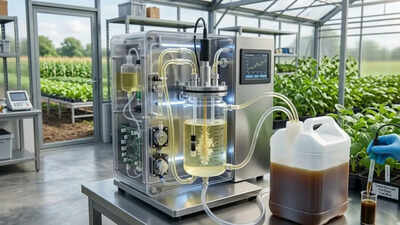
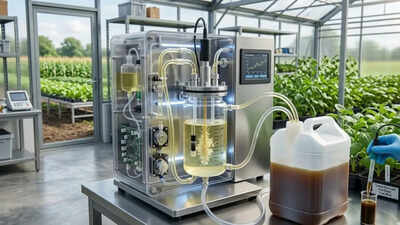
Modern sanitation systems have long treated human urine as waste, flushing away valuable nitrogen and phosphorus that are essential for plant growth. However, a recent study published in the Journal of Environmental Chemical Engineering proposes a paradigm shift: converting this overlooked byproduct into a sustainable, low-energy fertiliser. By utilising forward osmosis, researchers have successfully concentrated urine into a nutrient-dense liquid, offering a promising solution to reduce the energy demands of traditional wastewater treatment. This approach not only recovers vital agricultural components but also challenges current waste management practices. As global pressure to optimise resources increases, this innovative filtration method could turn urban sanitation infrastructure into a circular system, linking household waste directly to sustainable, local fertiliser production.
Human urine can turn into low-energy fertiliser
According to the Journal of Environmental Chemical Engineering, urine makes up roughly 1 per cent of the total volume of household wastewater but contains most of the nitrogen and phosphorus found in wastewater from homes. Researchers have shown that nutrients present in urine can be effectively concentrated via the process of forward osmosis (the movement of water across a semi-permeable membrane toward an area that has a higher concentration of salts), without using the high pressures that typical wastewater treatment plants require.
Mitigating membrane fouling to optimise nutrient recovery
The major challenge facing this research was membrane fouling, which occurs when organic matter and bacteria build up on the membrane and restrict the flow of water. However, researchers found that using gentle cleaning methods could help to reverse the effects of membrane fouling, as noted in the journal. The researchers also found that determining how to pre-treat urine (by removing large particles from urine before filtration) and adjusting the pH of stored urine (example, by adding citric acid) would significantly enhance the long-term reliability of urine treatment systems and help maintain steady flow rates of treated urine.
Why source separation is the future of sanitation
The researchers emphasised the need to implement source separation-collecting urine at the source instead of combining with sewage, if the benefit of this technology is to be realised on a larger scale. They pointed out that while the chemical process involved has been established already, the success in the future will depend on building reliable, integrated infrastructure in the areas of toilet design, safe transport, and regular maintenance to produce clean, contaminant-free urine.