









Artificial intelligence is changing the way children approach schoolwork, and ChatGPT is at the forefront of this shift. Homework can often feel stressful, but when used wisely, AI becomes a patient study partner rather than a shortcut to answers. The key lies in how children frame their questions, or “prompts.” Vague requests like “Do my homework” limit learning, while specific, step-by-step prompts like “Explain this math problem and show each step” unveils understanding. This guide explores 15 effective prompts across subjects, math, science, English, history, and writing, plus practical tips for parents to ensure AI supports real learning safely and responsibly.
15 smart ChatGPT prompts to make homework easier for kids
Math prompts for problem-solving help
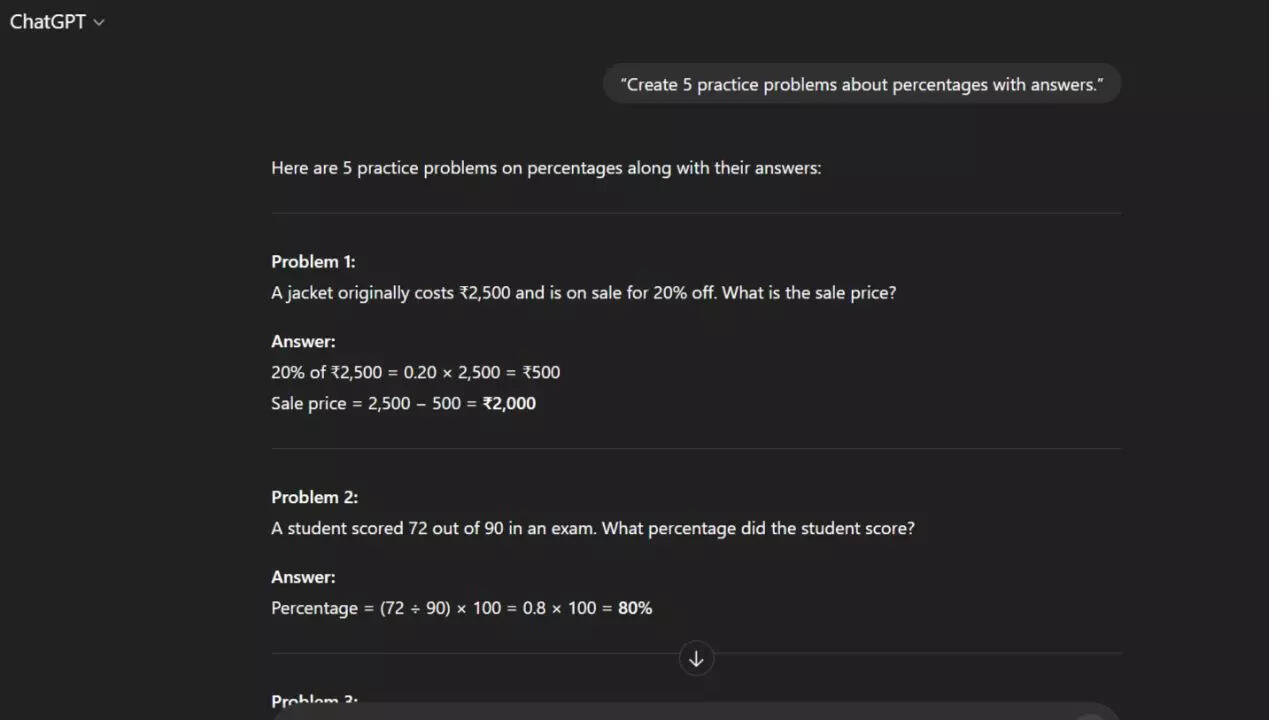
Math often feels intimidating because children focus too much on the “right answer” instead of the “how.” These prompts encourage learning the method:“Create 5 practice problems about percentages with answers.”
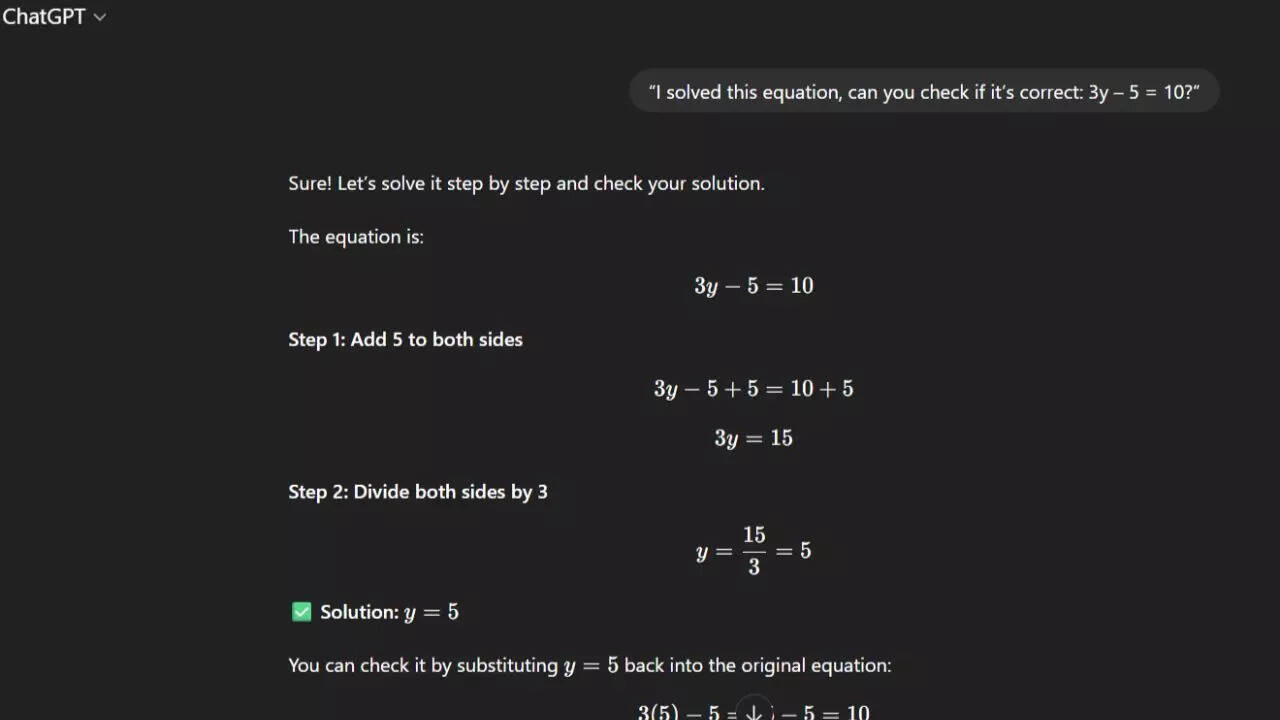
“I solved this equation, can you check if it’s correct: 3y – 5 = 10?”
“What’s a fun way to remember multiplication tables?”
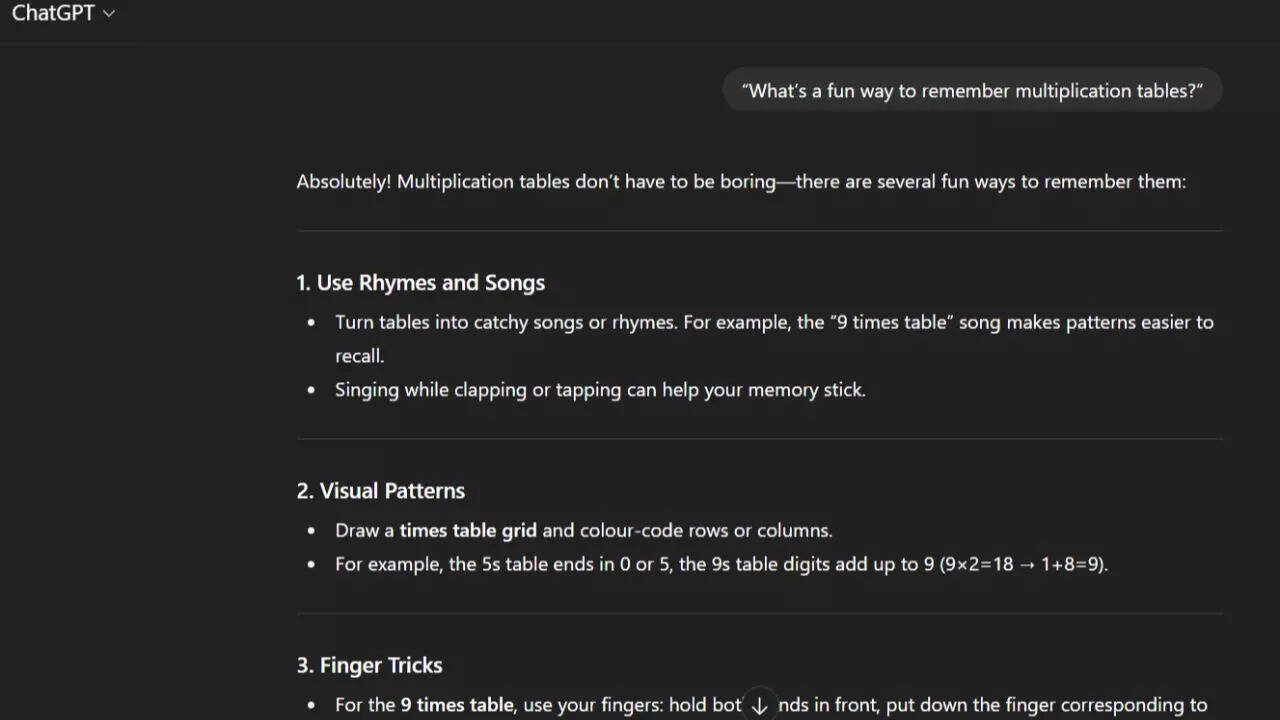
Each of these prompts encourages process-based understanding. Instead of just getting “36%,” kids learn how percentages work or why fractions are reduced, which helps with future problems.
Science prompts for explaining concepts
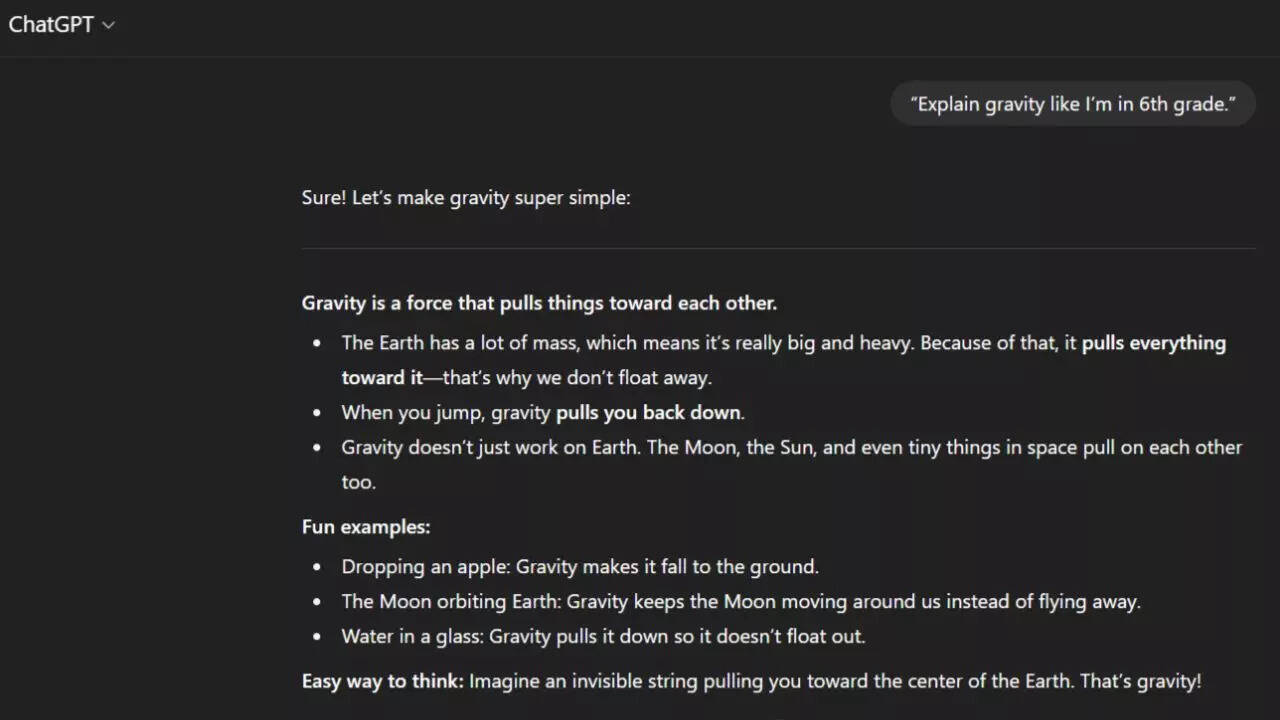
Science is full of big ideas that can feel abstract—like atoms, energy, or ecosystems. Good prompts simplify these ideas with real-life comparisons:“Explain gravity like I’m in 6th grade.”
“What’s the difference between mammals and reptiles? Give examples.”
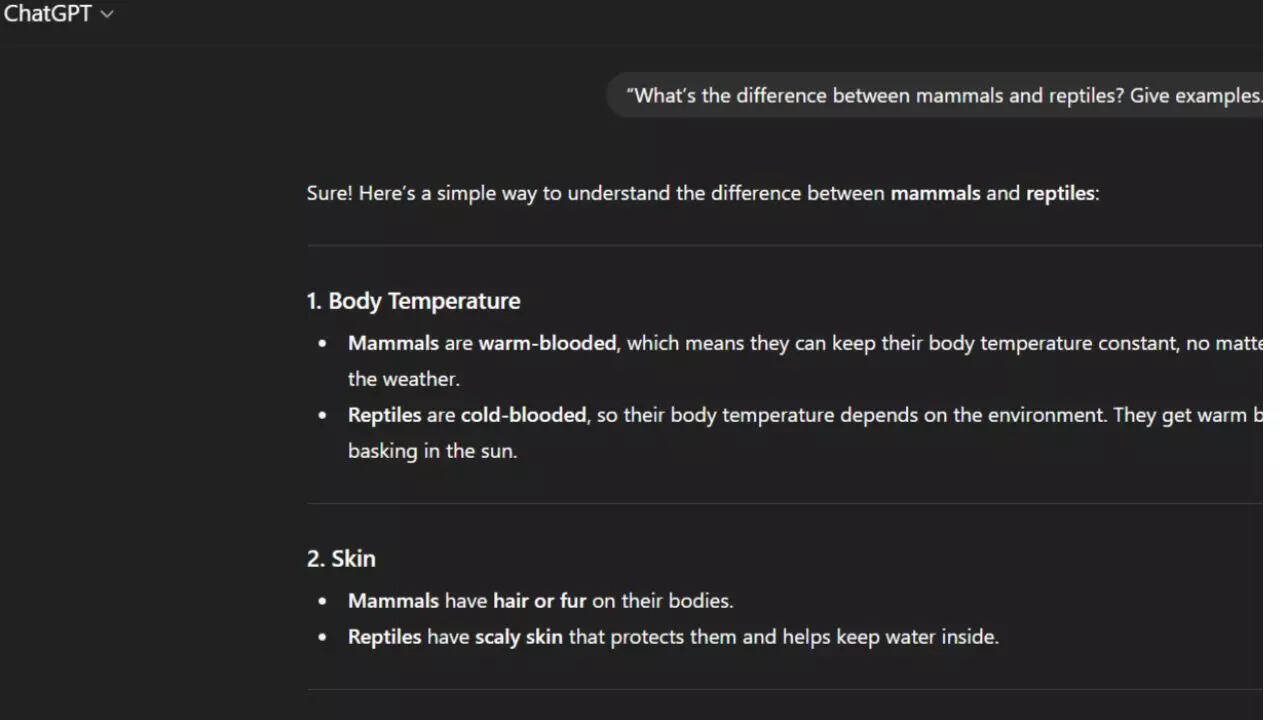
“Summarise the stages of the human life cycle.”
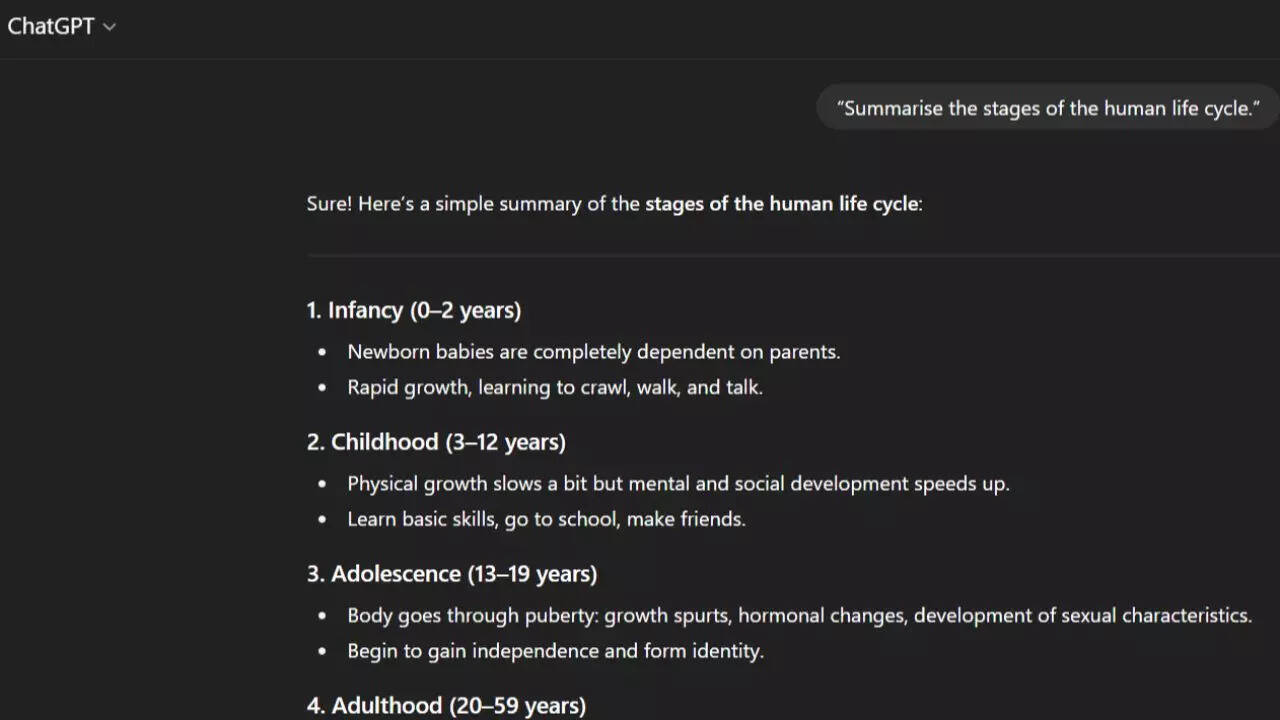
These questions encourage explanations through examples or visual language. For instance, instead of a technical answer about lunar phases, ChatGPT might say: “The moon looks different because sunlight shines on it from different angles as it moves around Earth.” That clarity helps children connect science to everyday life.
Prompts for English grammar homework
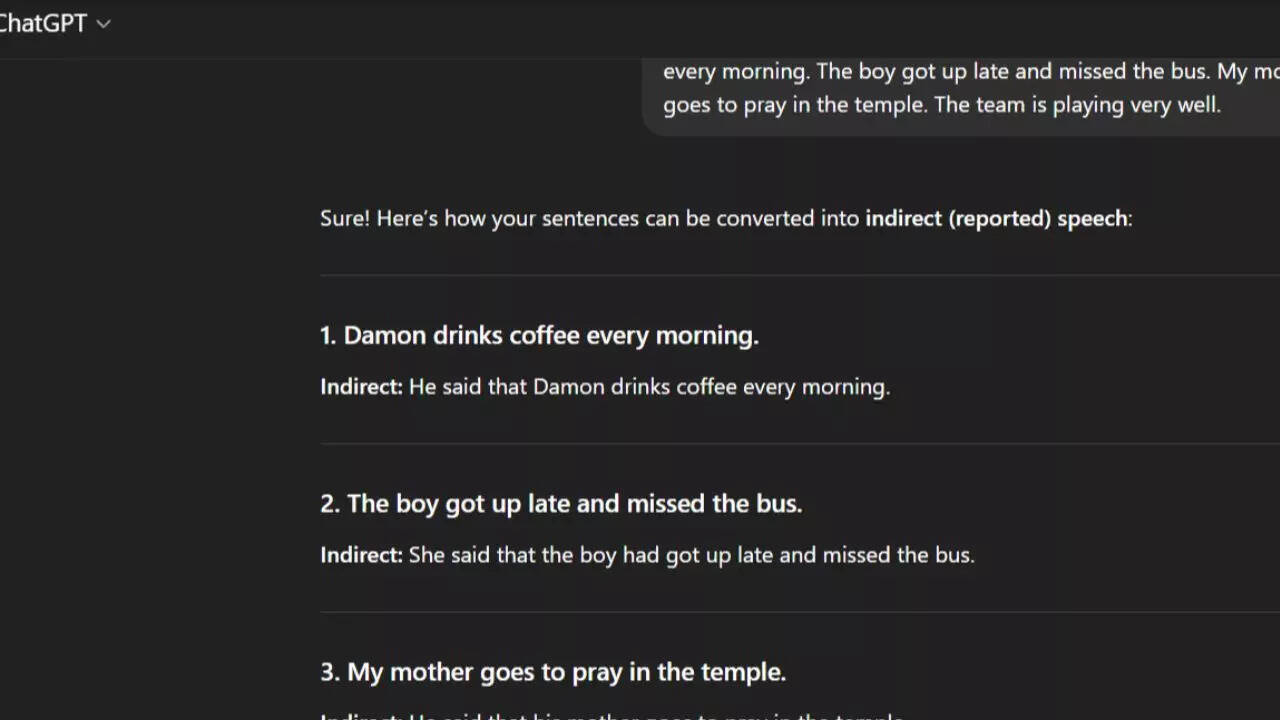
Write these prompts in ChatGPT and then add your own question or sentence after the colon:“Rewrite these sentences in different tenses.”
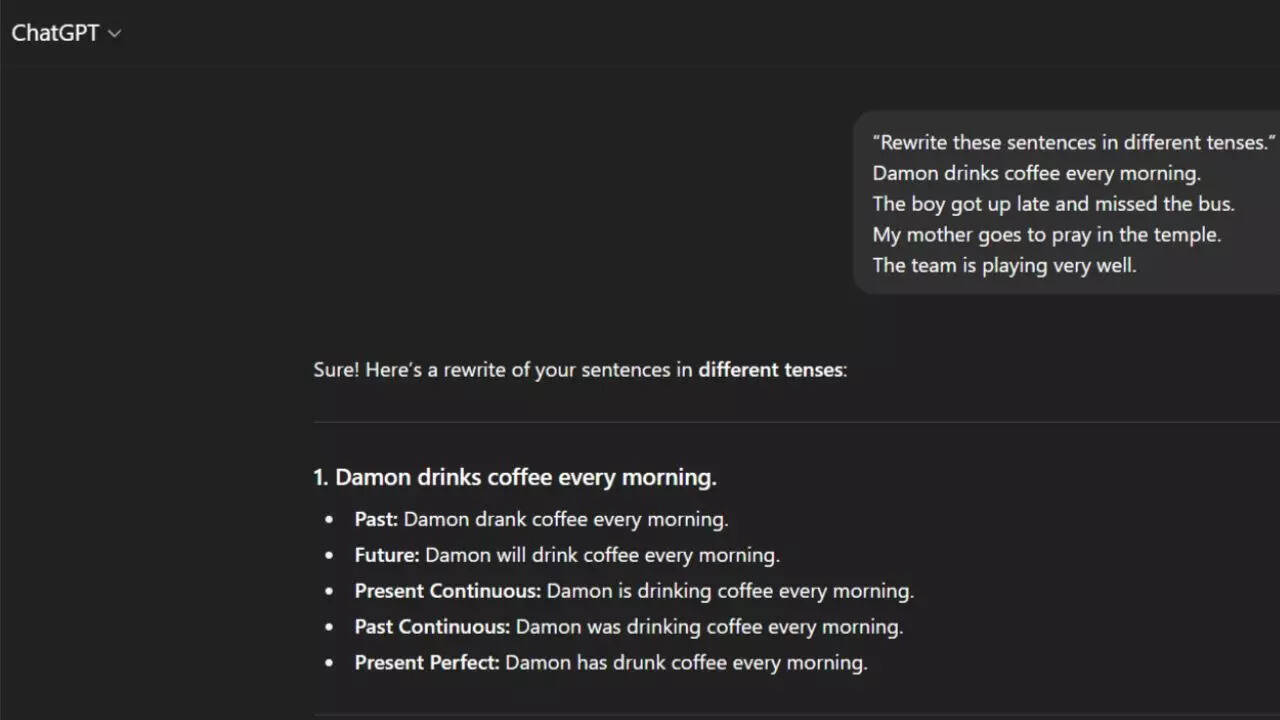
“Change from active to passive voice.”
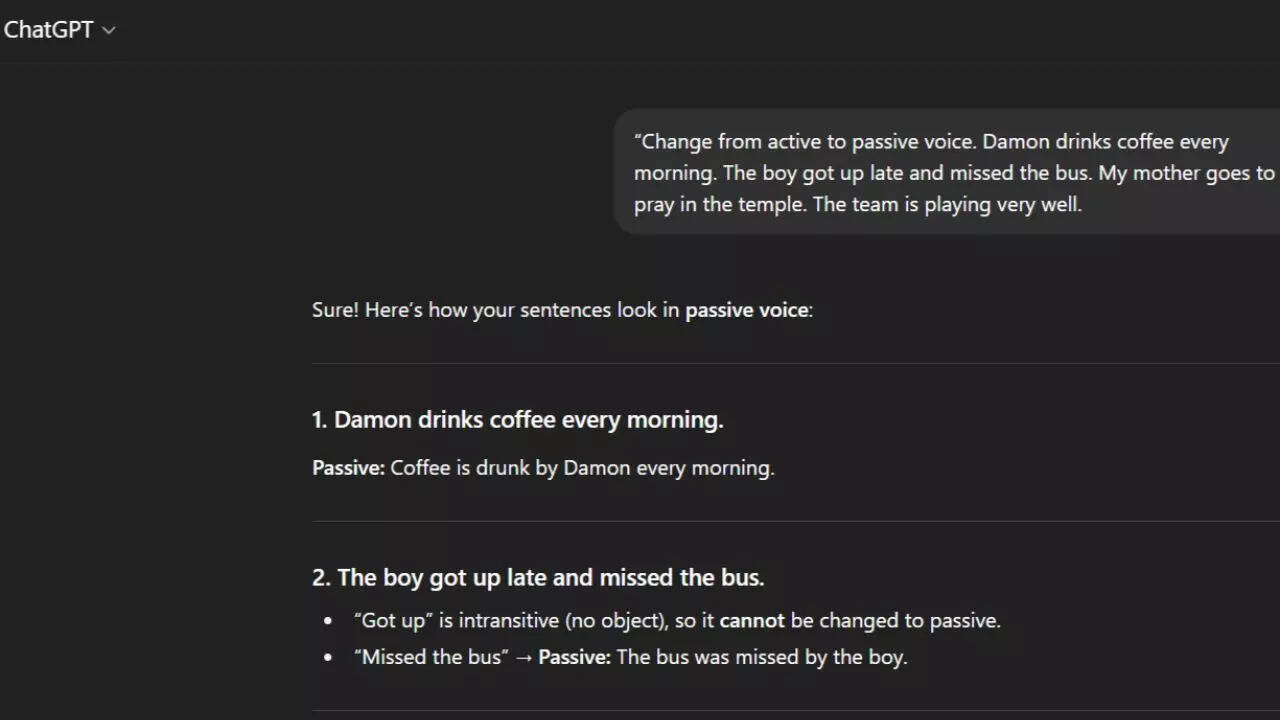
“Convert these sentences into indirect speech.”
History prompts for simplifying big topics
Dates and names alone can overwhelm kids. By framing history as stories, prompts turn facts into memorable narratives:“Describe the causes of the French Revolution in simple words.”
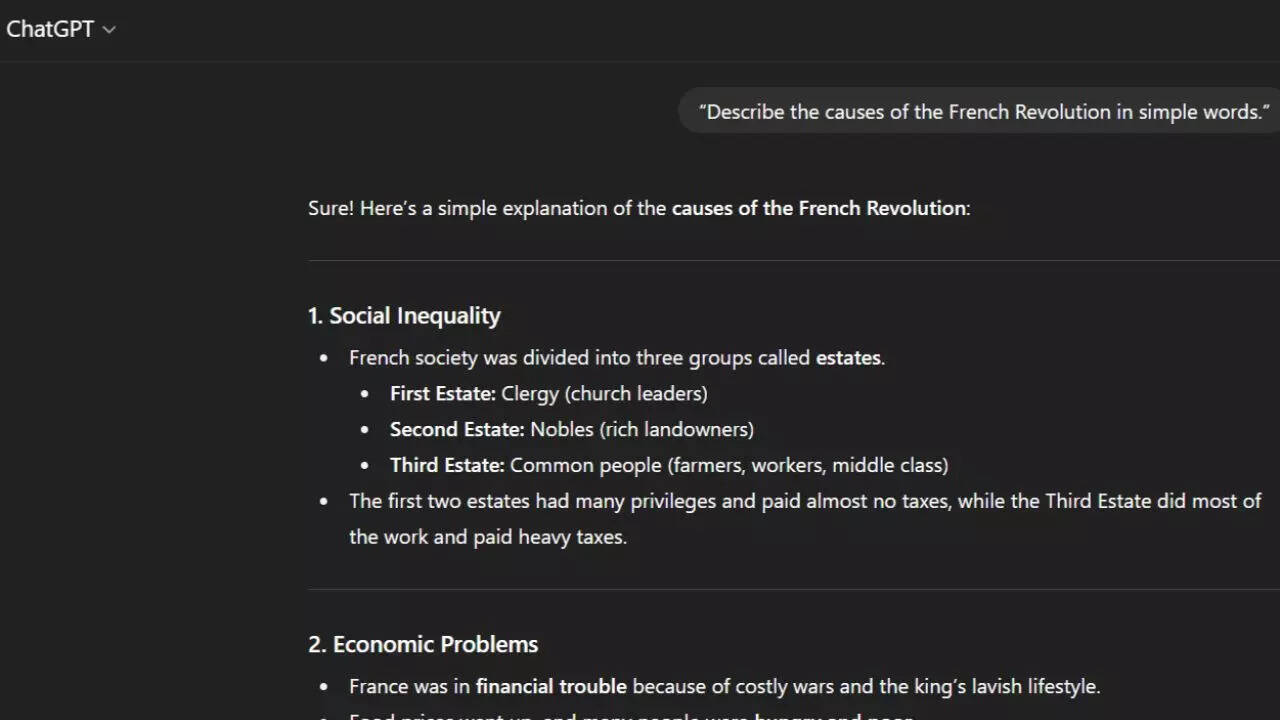
“Who was Ashoka the Great, and why is he remembered?”

“Make a timeline of major events in India’s independence movement.”

This approach helps children see cause-and-effect relationships, not just rote facts. For example, asking why revolutions happen introduces the role of inequality, leadership, and social change.
Writing prompts for boosting creativity
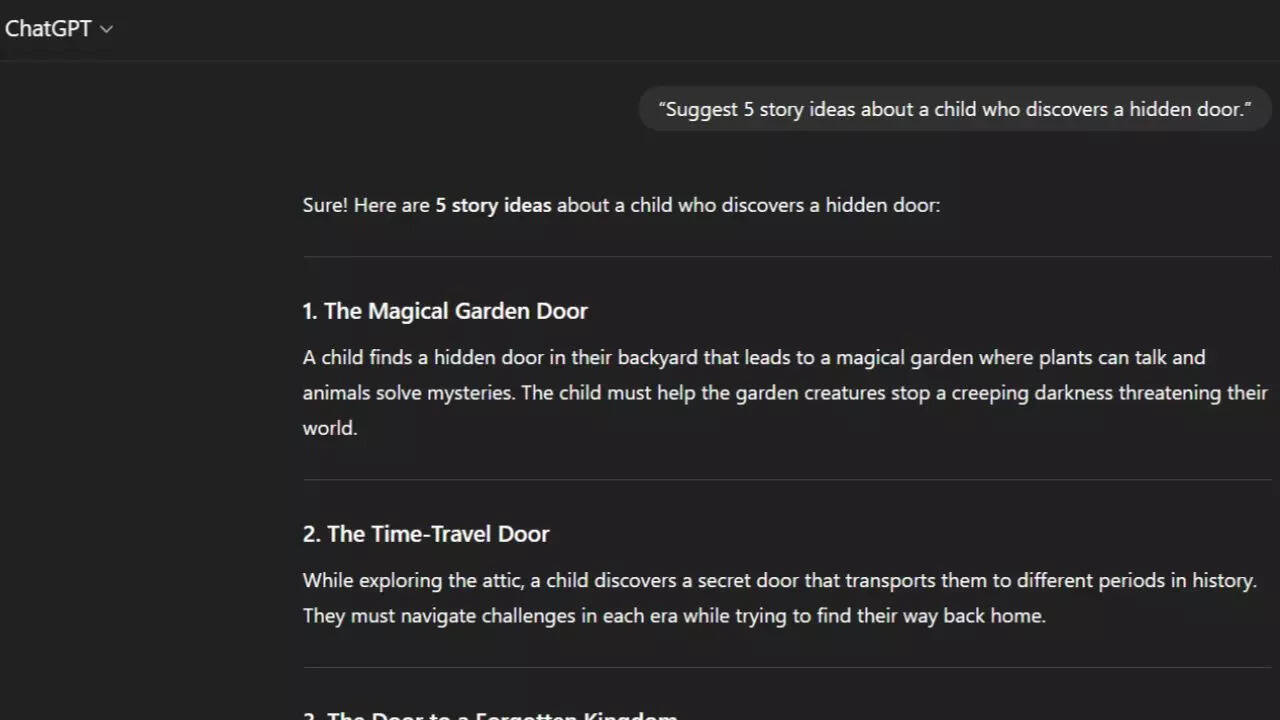
Blank pages are often the scariest part of homework. Prompts here serve as springboards for imagination and improvement:“Suggest 5 story ideas about a child who discovers a hidden door.”
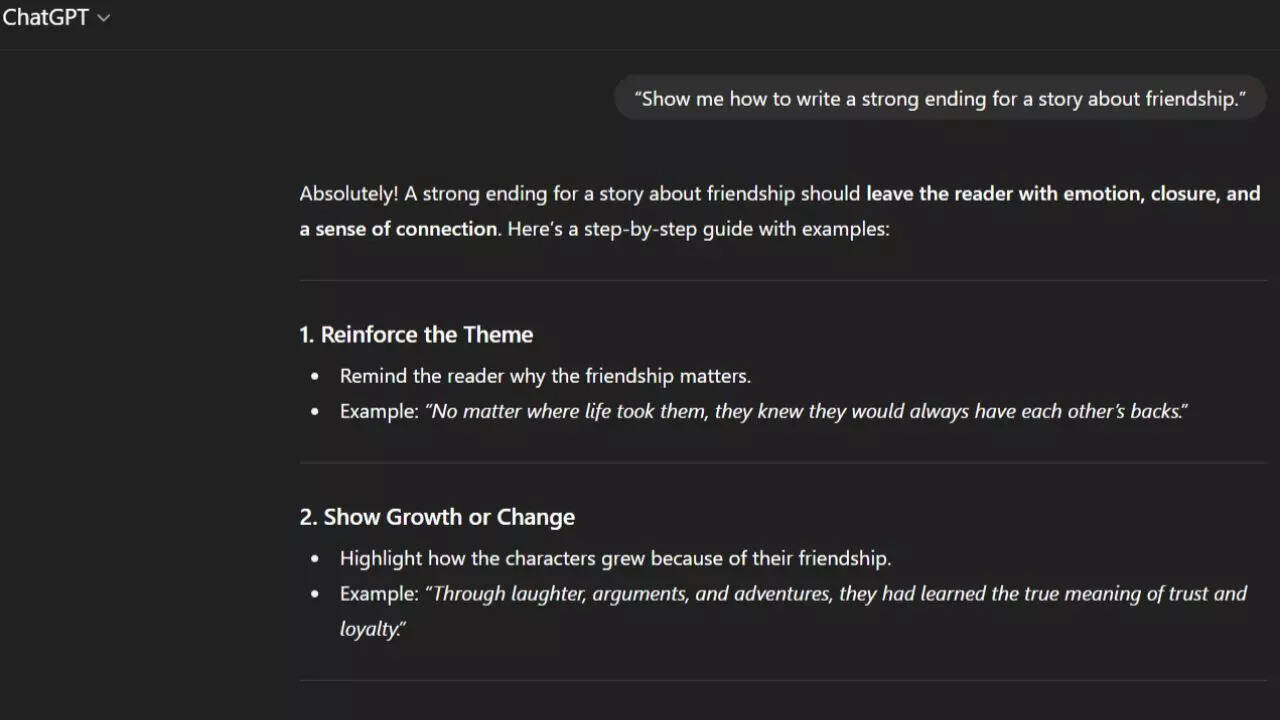
“Show me how to write a strong ending for a story about friendship.”
“Give me examples of words that make writing more descriptive.”
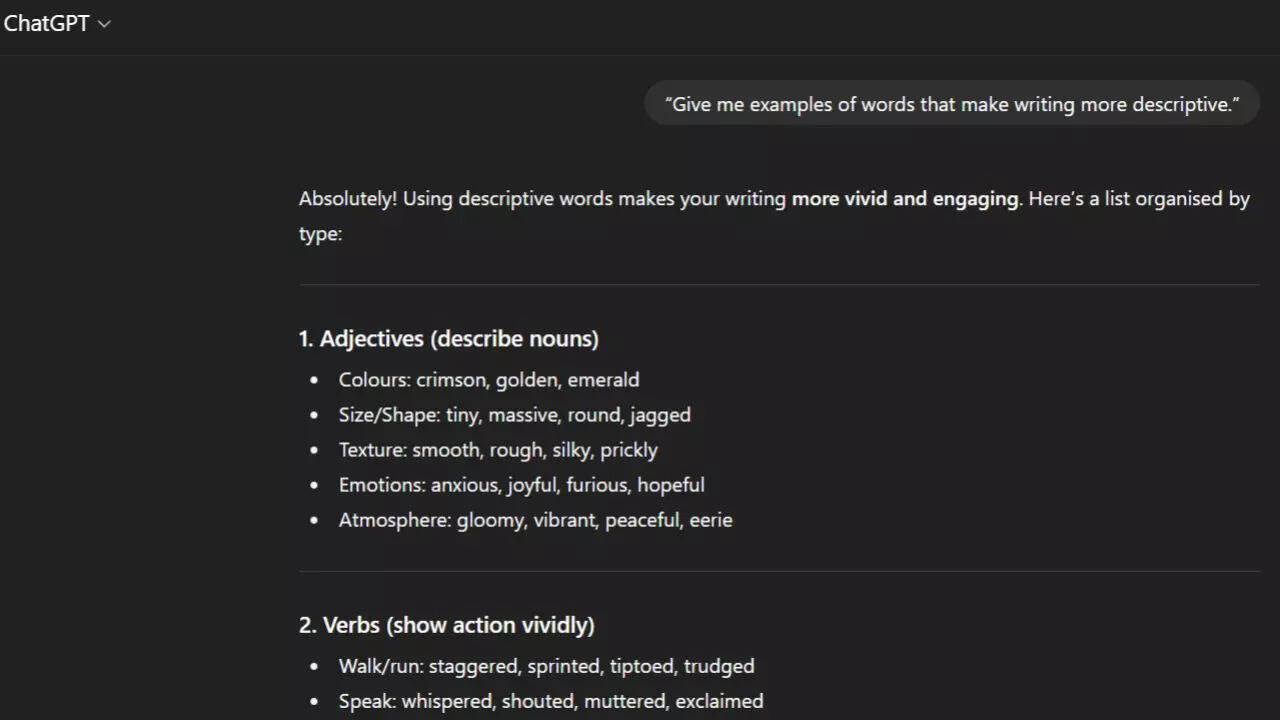
These examples encourage kids to generate their own ideas. Instead of AI writing the story, it provides direction, leaving creativity in the child’s hands. Over time, this builds confidence in expressing thoughts.
Tips for parents guiding kids with prompts
- Set homework boundaries: Make sure children attempt their homework on their own before turning to ChatGPT. This teaches responsibility, persistence, and problem-solving. AI should be a support tool, not a replacement for effort. Parents can remind kids to use prompts for clarification after they’ve already tried.
- Encourage curiosity prompts: AI isn’t just for homework—it can spark a love of learning. Encourage children to ask broader questions like “Why do rainbows form?” or “How do airplanes stay in the air?” These curiosity-driven prompts help kids connect schoolwork to the real world and develop critical thinking.
- Keep prompts age-appropriate: Adjust the complexity of prompts according to the child’s age. For example, younger kids might ask, “Explain fractions in a way a 9-year-old can understand,” while older children can request detailed breakdowns or advanced grammar checks. This ensures the learning experience feels tailored and manageable.
- Review answers together: Sit with your child and go through the AI’s response. Ask them to explain the answer back in their own words to confirm understanding. This turns AI use into a collaborative learning activity rather than a solitary shortcut.
- Promote balanced screen time: AI can make homework smoother, but too much screen reliance can affect focus and creativity. Parents should encourage breaks, offline reading, and hands-on practice alongside AI use.
- Encourage problem-solving, not perfection: Remind kids it’s okay to make mistakes and learn from them. Prompts should be about understanding the “why” behind the answer, not chasing flawless work. This builds resilience and a growth mindset.
AI won’t replace teachers or parents, but it can complement them. With the right prompts, it becomes a tutor that explains, quizzes, and inspires curiosity. As children grow up in an AI-driven world, knowing how to ask the right questions will be as important as knowing how to find answers. When used responsibly, ChatGPT can be a safe and effective homework helper. The right prompts encourage problem-solving, storytelling, critical thinking, and study habits that last beyond a single assignment. For parents, teaching children how to ask questions is the first step to turning AI into a lifelong learning partner.Also Read: Free Gemini AI prompts for realistic and professional-quality photos: A step-by-step process