




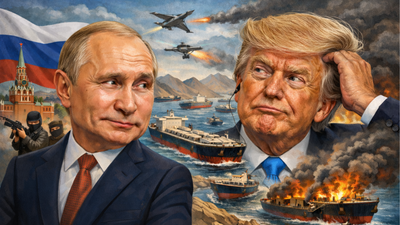
As the war between the United States, Israel and Iran is nearing third week, the global oil market has become one of the biggest casualties of the conflict.Missile strikes across the Gulf and drone attacks on energy infrastructure have pushed crude prices sharply higher, forcing Washington into a geopolitical pivot that seemed impossible just months ago: facilitating the sale of Russian crude.
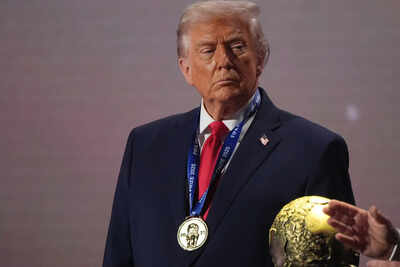
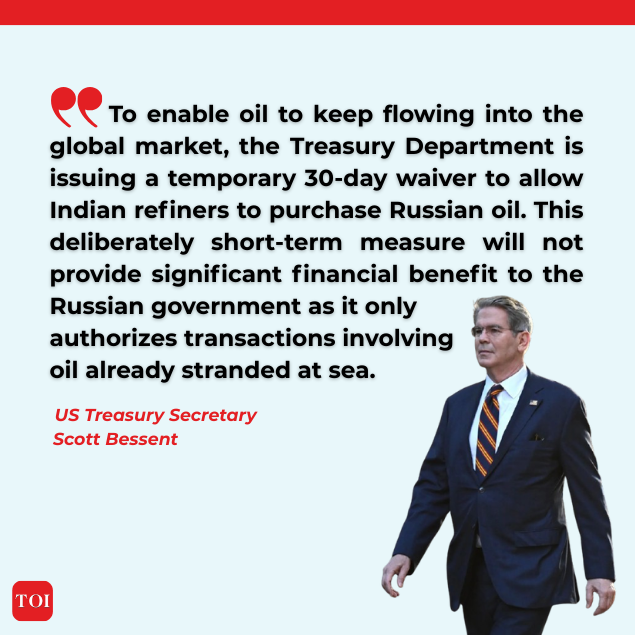
In an unexpected move, US President Donald Trump has opened the door for “stranded” Russian oil to reach global markets via a temporary 30-day waiver, while simultaneously preparing a massive release from America’s Strategic Petroleum Reserve (SPR).
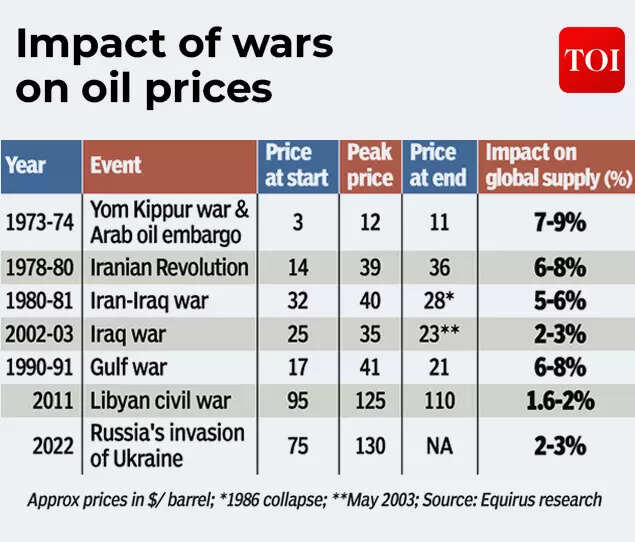
Iran war chokes global oil supply
The conflict has severely disrupted energy flows from the Middle East, a region responsible for roughly one-third of global production. Iranian missile strikes and US-Israeli counter-operations have rattled shipping routes, raising fears of a total blockade of critical Gulf infrastructure.Insurance costs for tankers have surged, ports have halted operations, and shipping giants are rerouting vessels away from the combat zone. The result is the “biggest oil supply disruption in history,” according to the IEA.
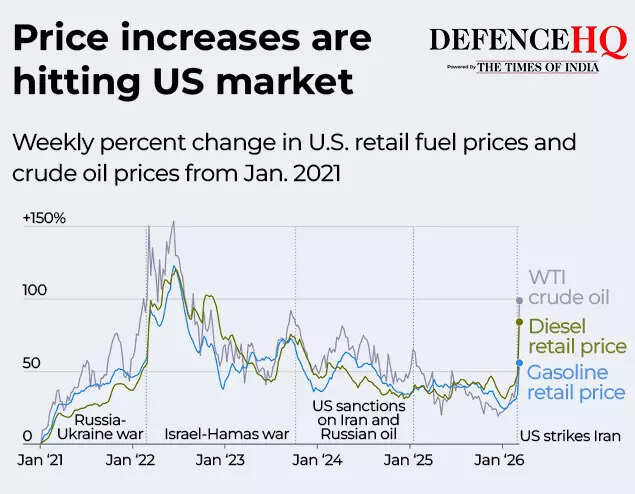
Oil prices surge above $100
The economic fallout was instantaneous. Brent crude has climbed past the $100-a-barrel mark, a level not seen for months, and is now roughly 35% higher than pre-war levels.
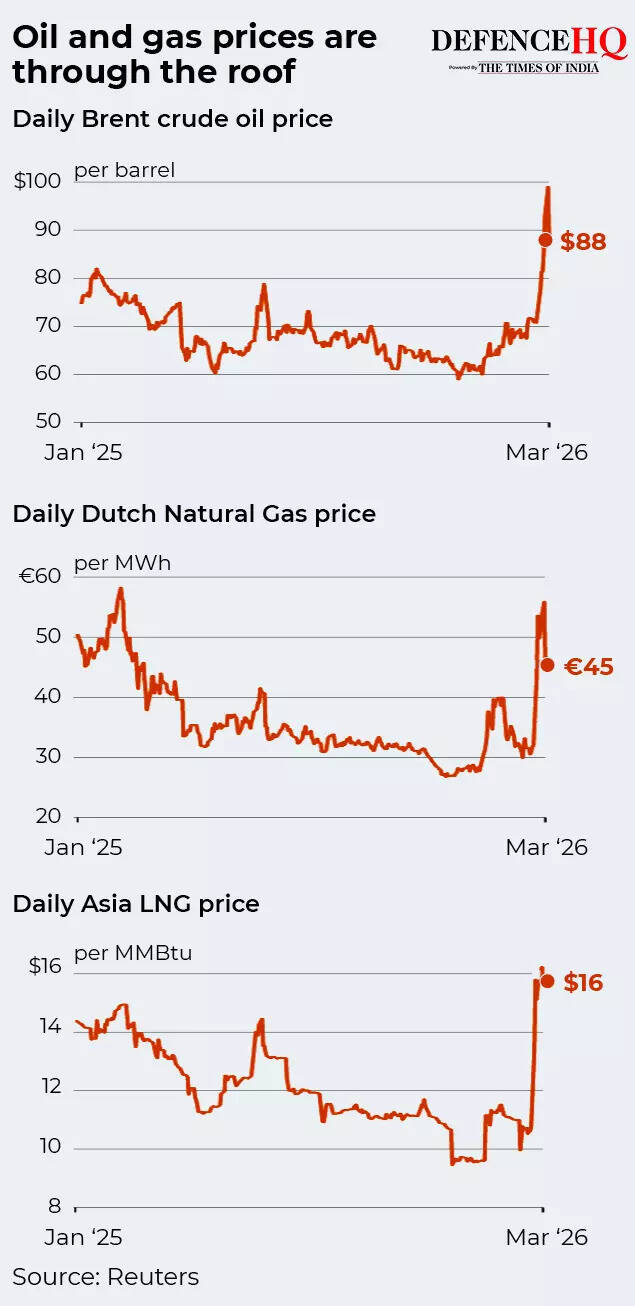
Markets have reacted not only to the war itself but also to the growing risk that key transport routes in the Gulf could be affected.That pressure has forced Washington to look for ways to bring additional supply into the market quickly.The US president struck a defiant tone in a post Thursday, saying that the United States “is the largest Oil Producer in the World, by far, so when oil prices go up, we make a lot of money.”“But, of far greater interest and importance to me, as President, is stopping an evil Empire, Iran, from having Nuclear Weapons, and destroying the Middle East and, indeed, the World,” he added.
The ‘stranded’ Russian solution
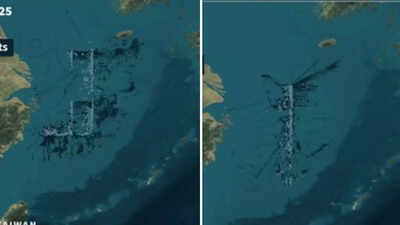
One immediate consequence of the Iran war has been the sudden availability of large volumes of Russian oil. While the Middle East is blocked, a massive volume of Russian oil sits idle.According to ship-tracking data compiled by Bloomberg, around 30 tankers carrying Russian crude and fuel are currently in Asian waters, holding cargo that could now be sold after Washington issued a temporary 30-day waiver allowing the purchase of oil that was already at sea.
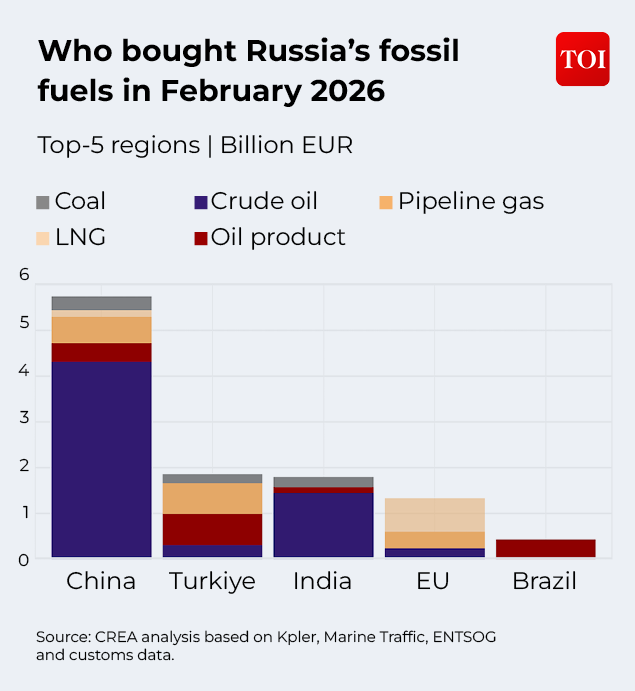
The vessels are carrying at least 19 million barrels of crude and about 310,000 tonnes of refined products, including naphtha used in plastics manufacturing and some diesel — fuels that have seen prices surge since Iran effectively shut down shipping through the Strait of Hormuz.The waiver also comes as hundreds of vessels carrying crude and refined products such as diesel and jet fuel remain stuck near the Strait of Hormuz, unable to move freely because of the escalating conflict.Russia reacted quickly to Washington’s move. Kirill Dmitriev, head of the Russian Direct Investment Fund, said the decision amounted to an implicit recognition of Moscow’s role in stabilising global energy markets.“The United States is effectively acknowledging the obvious: without Russian oil, the global energy market cannot remain stable,” Dmitriev wrote on Telegram, according to AFP.Since Western sanctions were imposed over the Ukraine war, China and India have been among the largest buyers of Russian crude, often purchasing the barrels at discounted prices. Other major Asian importers such as Japan and South Korea have largely stayed away from Russian oil due to sanctions concerns.Previously, many of these tankers were effectively untouchable for global buyers due to strict US sanctions. But with the Iran conflict choking supply routes and pushing oil prices sharply higher, the stranded cargoes have suddenly become a crucial buffer for the global market.
Trump’s past stance on Russian oil
This policy is a 180-degree turn from Trump’s stance just months ago. In July 2025, Trump announced a 25% punitive tariff on India, specifically citing its purchase of Russian crude as “enabling Moscow’s war in Ukraine.”
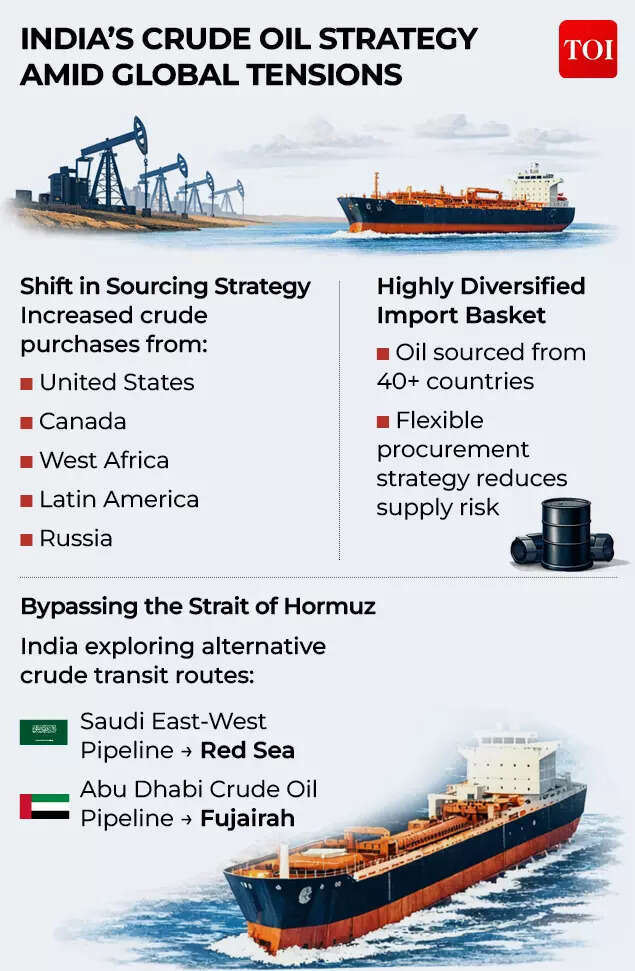
By January 2026, the pressure escalated further when Trump endorsed the Sanctioning Russia Act, a bill proposing 500% tariffs on any nation that continued to bankroll Russia’s war effort.“They do trade, and we can raise tariffs on them very quickly… Modi is a good guy, but he knew I was not happy,” Trump said at the time.However, as the Iran conflict pushed oil prices past $100, the earlier rhetoric about Russia’s “war machine” has given way to the language of market stability.
Speaking aboard Air Force One this week, Trump defended the decision to allow Russian oil to flow again.“If there were some measures, I would do it just to take a little of the pressure off… it’ll get healed very quickly,” he said.White House Press Secretary Karoline Leavitt suggested the move also reflected Washington’s view that India had been cooperative on sanctions enforcement, saying the decision was taken because “our allies in India have been good actors and have previously stopped buying sanctioned Russian oil.”US Ambassador to India Sergio Gor also highlighted the broader energy risks created by the conflict in the Gulf.“Today we’re in a situation where, unfortunately, Iran is trying to blockade the Strait of Hormuz,” Gor said.“The Iranians are recklessly targeting commercial vessels, including Indians who have unfortunately lost their lives through Iranian missiles and drones in the last few days… India is a vital partner to us to ensure that these prices remain stable around the world,” he added.
Strategic reserves
Washington is also preparing to flood the market with 172 million barrels from the SPR: the Strategic Petroleum ReserveCombined with the Russian waiver, the goal is to create a supply buffer before the situation in the Strait of Hormuz worsens.
Strait of Hormuz fears loom large
One of the biggest concerns driving the policy shift is the risk of disruption in the Strait of Hormuz, the narrow waterway through which nearly one-fifth of the world’s oil supply passes.Iran has repeatedly warned that if the war intensifies, it could take action in the strait.
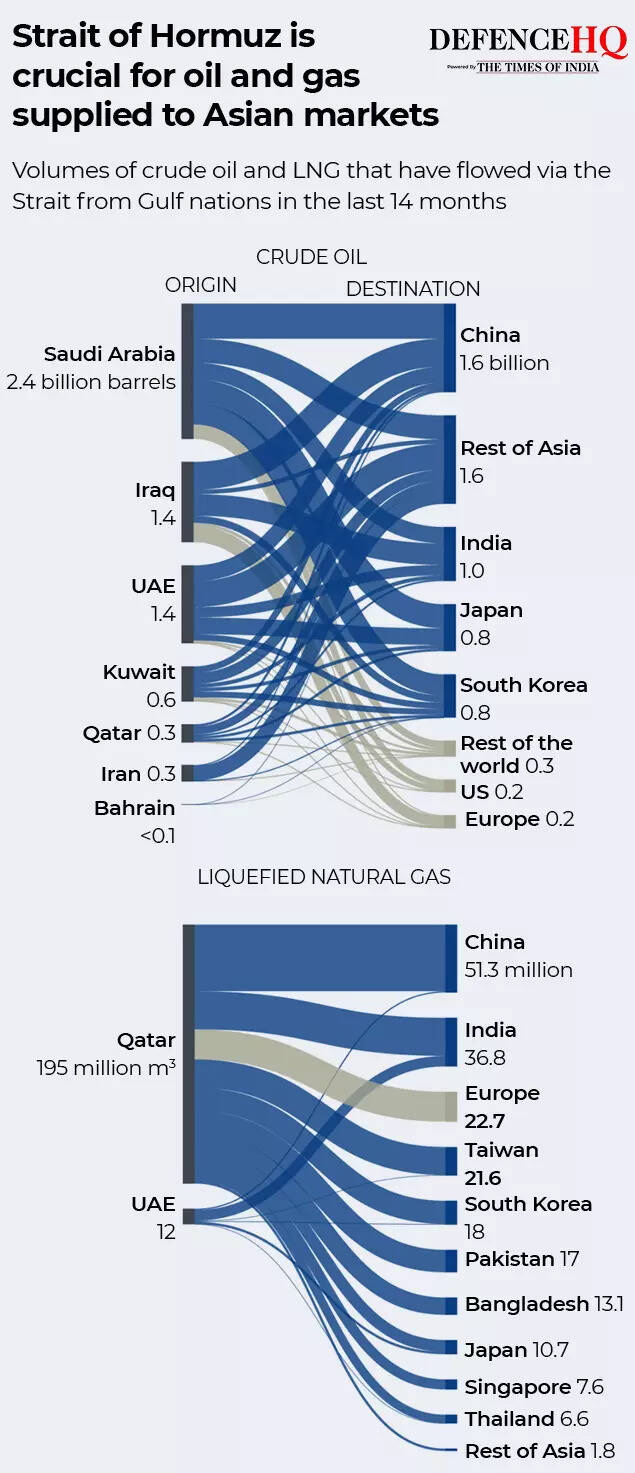
Iran’s new Supreme Leader Mojtaba Khamenei indicated that blocking the waterway remains a strategic pressure tool.“Dear fighter brothers! The desire of the masses of the people is the continuation of effective and regret-inducing defence. Furthermore, the leverage of blocking the Strait of Hormuz must certainly continue to be used,” he said in remarks broadcast on Iranian state television.Khamenei added that Iran had identified additional locations where the country could open new fronts if the war continues.“Studies have been conducted regarding the opening of additional fronts in areas where the enemy has negligible experience and would be highly vulnerable,” he said.However, Iran’s UN Ambassador Amir Saeid Iravani later said Tehran had no intention of closing the Strait of Hormuz, while emphasising that Iran retains the right to protect security in the waterway.Even the possibility of disruption has been enough to push oil prices higher and unsettle global markets.For now, the 30-day waiver is an emergency “Band-Aid.” Energy markets are watching to see if this injection of Russian crude can cool prices, or if the escalation in the Middle East will overwhelm Washington’s efforts. What is clear: the Iran war has forced the US into an uncomfortable alliance with market reality, choosing lower gas prices over the total isolation of Moscow.