







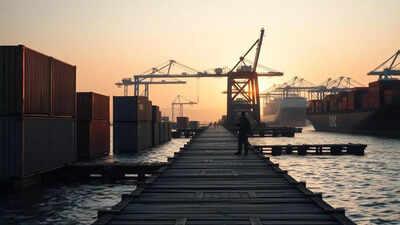
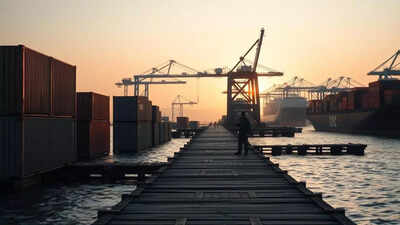
NEW DELHI: Amid complaints over “predatory and unnecessary charging” by shipping lines, the maritime regulator has invoked power on Monday to seek transparency in pricing as part of efforts to ensure that there is no profiteering.In a circular, DG Shipping has asked the shipping companies and agents to “refrain from predatory, non-transparent and opportunistic pricing practices.” It has also said that all charges must be communicated upfront to exporters.During a meeting called by DG Shipping exporters flagged the issue of retrospective war surcharge being levied by shipping companies, which can be as much as $4,000 for perishables and $3,000 for every 40-feet container. “The levy is being imposed on vessels, which had reached before the surcharge kicked in. It is an unnecessary burden and DG Shipping has promised to look into it,” said Fieo director general Ajay Sahai.The maritime regulator is likely to invoke powers under the Merchant Shipping Act, which prescribes norms for transparency in charges. “It will be an advisory to shipping lines to desist from taking advantage of the situation by opportunistic pricing. We are not fixing prices,” said an official.An exporter, however, said when it comes to foreign flagged vessels, implementing the order may be tough. An industry source said that shipping lines are demanding payments for fruits and vegetables, which are stuck and may start rotting after reaching destination.Exporters also flagged their concern over goods being abandoned by shipping lines. “How do we get items from these ports? It is very difficult to deal with this,” said Sahai. According to an executive, who attended the meeting, the Fieo chief said Indian exports worth $8-10 billion would be affected if conflict in West Asia continues for this month.While it has been decided to run small vessels or non-vessel operating common carriers from India to West Asia to ship goods, especially essentials, viability is a question. People involved in discussion said Emirates govt is planning to provide some logistic support. “It will provide some relief. But higher bunker oil and other charges may not make it possible to get to the pre-war levels,” said Dev Garg, vice-president, Indian Rice Exporter’s Federation. Marine fuel price has shot up from $520/metric tonne to $880 and insurance charges are imposing additional burden. Fieo VP Ravikant Kapur said, “UAE is the second largest destination for India and export will be hit badly by the disruption. Govt must come to our rescue.”