




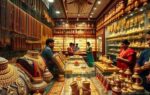

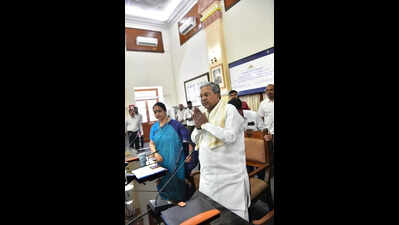
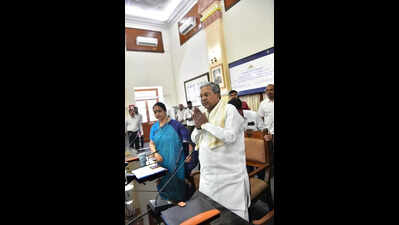
Bengaluru: In a state long divided over the issue of internal reservation within Scheduled Castes, the Congress govt in Karnataka has managed what its predecessors could not — introducing a formula that has so far drawn little resistance. The 6:6:5 formula, cleared by the cabinet last week, divides the existing 17% quota for Scheduled Castes into three parts: 6% each for Dalit Right (Holeyas) and Dalit Left (Madigas), and 5% for Lambani, Korama, Koracha, Bhovis and 59 other microscopic communities. For chief minister Siddaramaiah, this represents not just a policy shift but also a political gamble. The move contrasts sharply with BJP’s failed attempt in 2023, when protests by Banjara, Bhovi, Korama and Koracha groups turned violent. The Basavaraj Bommai govt had allocated 6% to Dalit Left, 5.5% to Dalit Right, 4.5% to touchable castes, and 1% to others, based on the Justice AJ Sadashiva Commission report. The distribution triggered a backlash, including an attack on BJP veteran BS Yediyurappa’s residence in Shikaripura. However, there has been no major opposition from Dalit groups to the new formula. Buoyed, the govt plans to promulgate an ordinance to give the formula legal backing. Siddaramaiah has also announced a permanent Scheduled Castes Commission to study socio-economic changes and recommend periodic adjustments. Much credit for the consensus has gone to Major P Manivannan, principal secretary, social welfare department, who studied models in five states before designing the formula. Sources say his cabinet presentation drew appreciation from Siddaramaiah. “I just did my job,” Manivannan said. Yet, the decision has not escaped criticism. The Justice HN Nagamohan Das Commission had recommended 5% for Dalit Right, 6% for Dalit Left, 4% for touchables, and 1% each for nomadic groups and disadvantaged Adi castes. The cabinet dropped the 1% sub-quotas. Prof Ravindra Reshme, an analyst, argued that nomadic and scavenger groups identified as least benefited were ignored. “It would have been a fitting tribute to Devaraj Urs if the govt had implemented the recommendations in toto. Instead, they chose a compromise formula not guided by social justice but by vote bank politics,” he said. Law minister HK Patil himself joked about the politics involved, suggesting the formula reflected the wishes of four senior Dalit ministers — G Parameshwara, KH Muniyappa, HC Mahadevappa and Shivaraj Tangadagi.Other analysts view the decision positively. Political scientist Prof Harish Ramaswamy called it the core of social justice. “Internal reservation brings in a level playing field and ensures equal opportunity to all communities, including the smallest. This helps in consolidation, progress and development long overdue,” he said. The politics behind the 6:6:5 formula is complex. Dalit Left groups have long accused Right communities of cornering benefits, while Lambanis and allied groups have demanded a greater share. These rivalries weakened collective bargaining power. By balancing all three clusters, Congress hopes to consolidate SC support ahead of future elections. If anyone loses, it is the Dalit Right, who historically benefited due to stronger political representation. Yet, their representatives have so far avoided open opposition. Observers caution that implementation — roster preparation, job allocation, monitoring — will decide if the 6:6:5 matrix brings real change. “The SC community is not monolithic,” Ramaswamy noted. “The crux lies in ensuring that the last man among the SC is not left out.” For now, the Siddaramaiah govt has secured consensus on an issue that divided state politics for decades. Whether it becomes a model for equitable distribution or remains a compromise will depend on its execution. ———Quote In theory, internal reservation makes sense as the aim is to provide justice to smaller groups among Scheduled Castes. In practice, it would require very careful calibration to ensure that social justice goals are met. Right calibration would include ensuring availability of individuals in sub-categories for which internal reservation is provided forSandeep Shastri, psephologist