






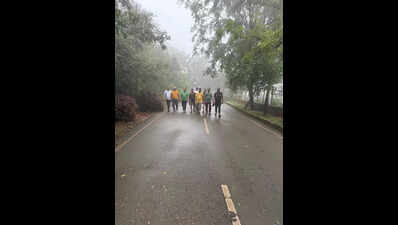
Pic: Walkers in Hubballi brave foggy, cold mornings to cover their daily dose of exerciseHubballi: With temperatures dipping across several parts of the state, including north Karnataka, doctors have advised people to take precautions against exposure to extreme cold, warning that it can trigger heart-related problems, particularly vasospasm. The sharp drop in temperatures during early mornings and late evenings has raised health concerns, especially among those with pre-existing heart conditions. Health experts said people across age groups should protect themselves from cold exposure, as hospitals are witnessing a rise in patients reporting cold-related symptoms like severe headache, body pain, cough, and fever. Dr GB Sattur, physician and diabetologist, told TOI that even mild cold spells in Karnataka can put additional strain on the cardiovascular system, particularly in cardiac patients, senior citizens, and those with hypertension or diabetes. “Exposure to cold causes constriction of blood vessels, leading to a rise in blood pressure and increased workload on the heart. Cold weather may also increase blood viscosity, raising the risk of heart attacks and strokes in vulnerable individuals,” he said. While walking is beneficial, Dr Sattur cautioned that timing is crucial. Early-morning walks during colder hours are not advisable as body temperature is lowest and blood pressure (BP) tends to peak during this period, increasing cardiac stress. “The safest time to walk is during late morning or early evening when temperatures are warmer and stable,” he said. Dr Sattur advised people to maintain a moderate pace while walking and avoid breathlessness. Wearing proper warm clothing — especially covering the chest, head, and feet — is essential. A brief indoor warm-up before stepping outdoors can also help reduce health risks. Patients have also been advised to continue prescribed medications, monitor BP regularly, and avoid walking if they experience chest pain, dizziness, unusual fatigue, or breathlessness. So walks are best avoided between 5.30am and 8am. It’s ideal to walk during 9.30am-11.30am or 4.30pm-6.30pm. Dr Ishwar Hasabi, superintendent of KIMS, said extreme cold can cause heart conditions such as vasospasm, though no such cases have been reported so far. “While the season is generally considered good, it is causing issues among those with heart ailments,” he said, adding 7-8 patients are being tested daily in cath labs, and the 60-bed cardiology dept is currently full. “Though the situation is not alarming, we have added more beds as a precaution,” he said. Siddu Mogalishettar, secretary of Nrupatunga Betta Walkers’ Association here, said many of its members have changed their schedules to avoid early-morning cold and are following medical advice. Also, health experts have advised people to walk at a comfortable pace, wear layered clothing to retain body heat, and warm up indoors before stepping outside to reduce the risk of cold-related health issues.Tips to stay warm* Walk at a comfortable pace* Wear layered clothing* Warm up indoors before stepping outside