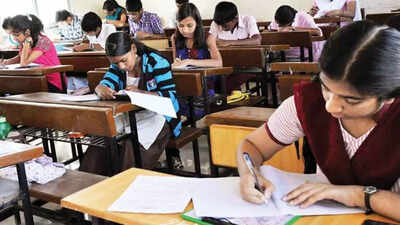



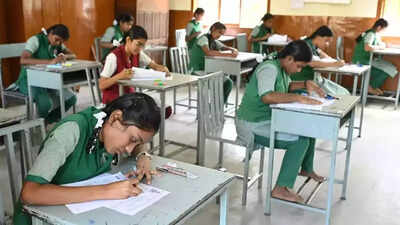
The CBSE Class 10 English Language and Literature examination held on February 21 ended on a largely positive note, with students across Delhi describing the paper as easy, direct and scoring. Initial reactions collected by TOI Education from multiple examination centres indicated that the question paper was closely aligned with NCERT, balanced across sections and manageable within the three-hour duration. For the 2026 board examinations, over 25 lakh Class 10 students appeared across thousands of centres nationwide. The English paper was conducted in a single shift from 10:30 AM to 1:30 PM under standard CBSE guidelines.Students from Khajoori Khas centre find paper easyStudents from Govt Boys Senior Secondary School, Tukhmirpur, School No. 2, who appeared for the exam at SKV Khajoori Khas, said the paper was straightforward and less stressful compared to earlier board exams.Rizwan said, “The paper was easy; we will not term it moderate or hard. It was better than the Maths paper, which was difficult, especially the Basic Maths paper, though the Standard Maths paper was relatively easier.”Ishrar highlighted the clarity of questions. “The questions were directly asked from the NCERT, and the passages were simple. We could understand them easily and answer without confusion.”Ishan added that most sections were comfortable to attempt but noted a minor challenge. “The paper was easy overall and most sections were straightforward. However, I found some questions in the grammar section a bit difficult, especially those on reported speech.”Most students from the centre said they were able to complete the paper on time and had a few minutes left for revision.Mixed reactions from Shree Ram Colony centreAt Sarvodaya Kanya Vidyalaya, Shree Ram Colony, where students from GGSSS Sonia Vihar appeared, the overall response was positive, though a few candidates found one section slightly challenging.Kajal said, “The overall paper was manageable, but I found Section C a bit tough compared to the other sections.”However, her classmates Rita and Swati described the paper as scoring. Rita said, “The paper was easy and felt like a scoring one.” Swati added, “It was an easy paper overall, and most questions were straightforward.”Students from the centre also said that the reading passages were clear and that the writing tasks followed familiar formats, which helped them manage time effectively.Teachers call paper student-friendly and well-structuredTeachers across schools agreed that the overall difficulty level ranged from easy to moderate.Mahima Dudeja of JAIN International Residential School (JIRS) said the paper was lucid and well-structured, with most questions competency-based and designed to test interpretation, comparison, and logical reasoning. She noted that students who could understand figurative and metaphorical meanings had a clear advantage.Ms. Shilpa Soota of Satya School said the response from students was overwhelmingly positive. “The unseen passages were straightforward and the literature section was particularly scoring, as most questions had already been discussed in class or assessed during pre-boards. All three sets were similar in structure and difficulty, ensuring fairness.”Sunita Virmani from Global Indian International School described the paper as balanced across sections and suitable for students of different ability levels, allowing them to attempt it confidently.Section-wise analysis highlights competency focusReading: According to Gurpreet Kaur of Seth Anandram Jaipuria School, Section A included a discursive and a case-based passage with competency-based and inferential questions, including Assertion–Reason items that tested analytical thinking and conceptual clarity.Gitika Haloi of Modern English School, Kahilipara added that the first passage required careful analysis, while the case-based passage was easy and direct.Grammar and Writing: Teachers reported that grammar questions were expected and largely straightforward. Ravisha Bhargava of Shiv Nadar School Noida said students found the writing tasks easy to interpret and were able to produce well-developed answers. The familiar formats of letter writing and analytical paragraph helped students organise their ideas effectively.Pragya Joseph of Shiv Nadar School Faridabad noted that the paper closely matched CBSE sample papers and that most students completed it comfortably before time, leaving minutes for revision.Literature: Teachers described Section C as understanding-based, requiring conceptual clarity and thematic interpretation. Gurpreet Kaur said some questions demanded deeper understanding and comparison of themes, while poetry questions focused on symbolic meaning rather than literal explanation.Nyan Dahiya of Modern Public School, Shalimar Bagh added that the literature questions were based on NCERT and tested comprehension of themes and messages rather than tricky details.Minor observations, overall positive responseWhile most feedback was positive, a few educators noted minor variations. Rachana Takshak of DPS Sector 45 Gurugram said there were slight deviations in the Reading pattern from the model paper and minor issues in grammar presentation, though the overall paper remained clear and manageable.Teachers unanimously reported that students were able to manage time effectively, with the balanced structure and clear instructions reducing exam pressure.