







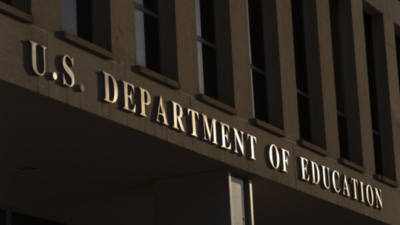
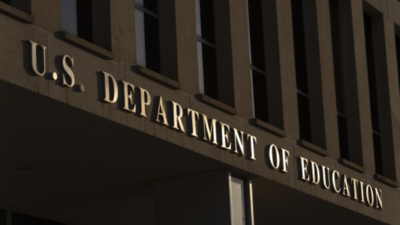
The U.S. Department of Education (ED) has announced two new interagency agreements with the U.S. Department of State (State) and the U.S. Department of Health and Human Services (HHS) to reduce federal bureaucracy and improve the delivery of education programs across the United States. The partnerships are part of the Biden administration’s ongoing efforts to return more authority to states, reduce administrative burdens, and ensure that federal education initiatives better serve students, families, and schools.The agreements aim to leverage the expertise of partner agencies in national security, crisis management, and emergency response to make federal education programs more efficient and secure. The ED has emphasized that these moves will strengthen oversight, improve program management, and enhance the safety of schools and students nationwide.
ED-State Department Partnership: Foreign gift transparency in higher education
The new partnership between ED and the State Department focuses on Section 117 of the Higher Education Act of 1965, which requires U.S. colleges and universities to report certain foreign gifts and contracts. The agreement will improve the accuracy, transparency, and use of this data.Key components of the partnership include:
- Managing the Section 117 Portal: State will assist ED in handling the foreign funding reporting portal used by domestic public and private higher education institutions.
- Compliance Review: Using national security expertise, State will review reported data to assess compliance and identify potential risks.
- Data Sharing: Relevant information will be shared with the public, federal agencies, and national security experts to ensure threats are addressed proactively.
Secretary of Education Linda McMahon said, “Foreign gift data reported by universities should be readily accessible to our top national security experts, allowing for proactive and decisive action to protect America’s critical interests.”Under Secretary of State Sarah Rogers added that the partnership will safeguard the integrity of academic institutions while improving research and national security.
ED–HHS Partnership: Enhancing school safety and family engagement
The partnership with HHS focuses on strengthening the safety, security, and overall support of U.S. schools. HHS will manage several programs in collaboration with ED, including:
- School Emergency Response to Violence (Project SERV)
- School Safety National Activities
- Ready to Learn Programming
- Full-Service Community Schools and Promise Neighborhoods
- Statewide Family Engagement Centers
HHS will oversee program competitions, provide technical assistance, and integrate ED’s initiatives with existing disaster preparedness and emergency response programs. This consolidation aims to create a unified federal approach to school safety, community support, and family engagement.HHS Secretary Robert F. Kennedy Jr. said, “Nothing matters more than the safety of our children. We are putting decades of frontline crisis response experience directly into our schools to support teachers, students, and families.”
The bottom line
These agreements follow seven interagency partnerships launched last year, including a workforce development collaboration with the Department of Labor. That effort helped create an integrated federal education and workforce system, reducing the need for states to consult multiple agencies to manage programs effectively.The latest partnerships signal a broader policy direction: breaking up the federal education bureaucracy, leveraging specialized expertise, and ensuring programs are more responsive to the needs of students and educators. Experts say that consolidating administration under agencies with specific operational strengths can reduce delays, enhance accountability, and improve the overall quality of services.For U.S. higher education, the Section 117 partnership is expected to strengthen research and national security oversight, while the HHS partnership aims to make schools safer and more resilient. Together, these steps could serve as a model for integrating federal education programs with other public services, creating a more coordinated and effective approach to student support nationwide.