







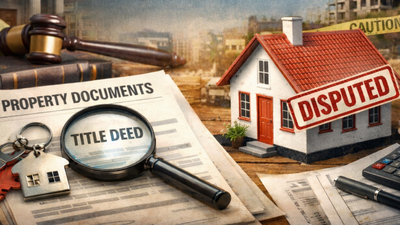
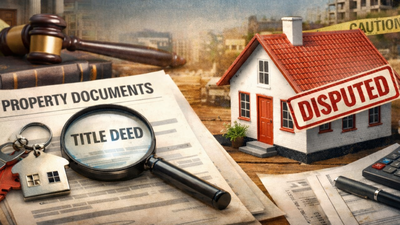
Purchasing a property is one of the most important financial transactions that a person undertakes in their lifetime, and it is therefore imperative to ensure that the property is legal and compliant with the relevant regulations to prevent any form of disputes, fraud, or liabilities in the future.As we see several cases of ownership disputes or compliance issues, these days, it is important for a buyer to carry out due diligence before completing any transaction. For example, it is essential to check whether the project is registered with the Real Estate Regulatory Authority (RERA).
Key documents for buyers to check
Here are the key documents that byer should check before buying a property, according to experts:
- Title deed (original): Confirms the seller’s legal ownership of the property and their right to transfer it. Buyers should check the deed is genuine and actually registered in the seller’s name.
- Chain of title documents: These include previous ownership records that establish the property’s ownership history. A clear and uninterrupted chain confirms there are no disputes or competing claims.
- Encumbrance certificate: Certifies that the property is free from financial or legal liabilities such as loans, mortgages, or third-party claims.
- Sale agreement: Defines the terms and conditions of the transaction, including price, payment schedule, possession timeline, and responsibilities of both parties.
- Property tax receipts: Latest tax receipts confirm there are no outstanding dues and that the property is properly recorded with local authorities.
- Approved building plan: Issued by the municipal authority, this shows that the construction complies with approved layout and zoning regulations.
- Completion certificate (CC): Provided after construction, showing that property is completed as per approved plans and regulatory norms.
- Occupancy certificate (OC): Certifies that the building is fit for occupation and complies with civic and safety requirements such as water supply, sanitation, and electricity.
- Rera registration details: Buyers should verify the project’s registration number and review disclosures related to approvals, deadlines, and any legal proceedings on the official RERA portal.
- No Objection Certificates (NOCs): Includes clearances from relevant authorities such as fire department, environment authority, water, electricity, and other regulators, depending on the project.
- Possession letter: Issued by the builder, confirming the date on which the buyer will receive possession of the property.
- Loan clearance certificate (if applicable): Ensures that any existing loan against the property has been fully repaid and the lender no longer has a claim.
Experts recommend consulting a qualified property lawyer and conducting independent verification through government portals and local authorities before completing the purchase to undestand all the intricacies.Failure to verify the documents or misunderstanding the terms and conditions can expose buyers to serious consequences. These include title-related disputes where the property may be stuck in ongoing litigation, unauthorised construction that could be sealed or demolished by municipal authorities, and land use violations if the property is built on land not approved for residential purposes. Buyers may also face bank enforcement if the property has an undisclosed mortgage, denial of basic utilities such as electricity and water due to missing completion or occupancy certificates, and liability for pending electricity, water, or property tax dues linked to the property.Proper due diligence not only protects buyers from legal disputes and financial losses but also ensures secure ownership and peaceful possession of the property.