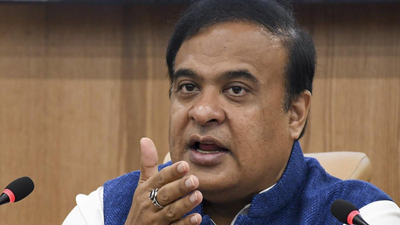
A medical drone delivery system, an indigenous baby warmer and a digital vending machine were among the projects presented at the Young Scientist Programme 2026 organised by Nepal’s National Innovation Centre (NIC) in Kathmandu. The event brought together young researchers, scientists, technology professionals and former students of the centre to present projects spanning healthcare, technology, environmental measurement and resource management.The programme, chaired by Nepal’s Science, Technology and Innovation Minister and National Innovation Centre founder Mahabir Pun, offers a glimpse into how a neighbouring country is creating opportunities for young innovators to work on practical problems. The projects showcased at the event also bring into focus areas relevant to India’s Atal Tinkering Labs (ATLs), particularly hands-on research, indigenous product development and engagement with experienced scientists and industry professionals.
Healthcare and technology take centre stage
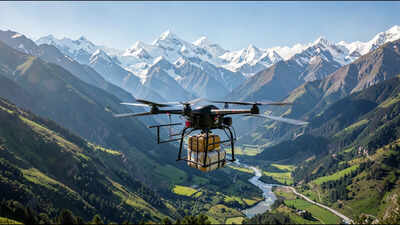
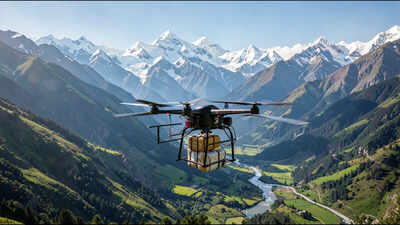
According to the event proceedings shared in the National Innovation Centre’s official YouTube video, the programme featured presentations by researchers working across several applied science fields.Dipendra Basnet presented a project on medical drone delivery, while Sanjay Bahadur Singh spoke about an indigenous healthcare device called the Nyano Nani baby warmer. Praban Bohara presented a digital vending machine project.The presentations also included contributions from scientists working internationally. Rajesh Paudel, identified in the programme as a NASA scientist, spoke about airborne measurements, while US-based scientist Mahesh Pun presented work related to water resource management.Student researcher Binamra Karki presented his project on the role of young people in Nepal’s technological development. Hari Nyaupane, a Microsoft senior principal engineer and NIC Europe representative, joined virtually from the UK to speak about the use of technology for safety and health.
A model connecting young researchers with experienced scientists
The participation of scientists and technology professionals from different countries was another feature of the Kathmandu programme.As detailed in the official event video, the gathering included former NIC students, researchers and representatives of Friends of NIC UK. Their participation brought together people working in research, technology and product development, providing a platform for presentations and professional engagement.During the programme, Friends of NIC UK director Hari Karki spoke about the need to make the centre financially sustainable and self-reliant. According to the event proceedings, he emphasised effective branding and marketing of products developed by the centre as a means of increasing its financial resources.Karki also pledged to provide a laptop to a young scientist to support the continuation of research and development work.
What India’s Atal Tinkering Labs can learn
India already has an extensive school-level innovation network through the Atal Innovation Mission (AIM), which operates under NITI Aayog. According to the official Atal Innovation Mission website, the country has 10,000 Atal Tinkering Labs across 35 states and Union Territories, covering 722 districts. The programme has engaged more than 1.1 crore students and facilitated the creation of over 16 lakh innovation projects.The labs are designed to give students access to tools and equipment such as robotics kits, sensors, electronics, 3D printers and open-source microcontroller boards. According to AIM, their objective is to develop curiosity, creativity, computational thinking and hands-on problem-solving skills.The Nepal showcase provides examples of how innovation projects can be organised around identifiable needs, including healthcare equipment, medical delivery systems and water resource management. These areas also offer potential project themes for Indian school innovators working through ATLs.The importance of moving beyond the initial prototype was also reflected in the Kathmandu event. Karki’s emphasis on branding, marketing and financial sustainability highlighted the role of product development and market access in supporting an innovation centre’s continued operations.The programme was organised by Nepal’s National Innovation Centre, a non-profit research and innovation institution founded by Mahabir Pun. Its Young Scientist Programme 2026 brought together researchers and technology professionals to present projects and discuss the development of science and innovation in Nepal.